 WhatsApp

What is Root Canal Treatment?
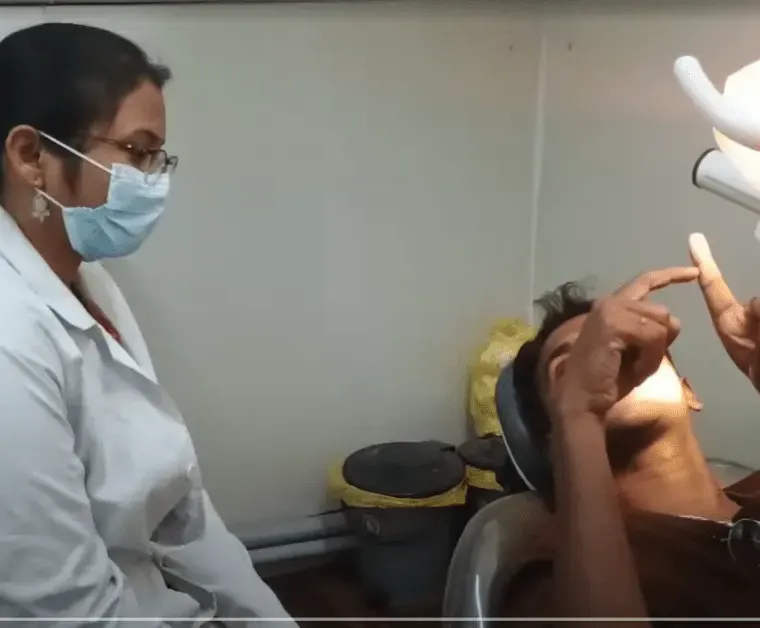
Root canal treatment is a safe and highly effective procedure to prevent damaged or infected tooth. The process is to take out the tissue inside the tooth where the tissue can be infected or hurt. The treatment stops more decay and It helps the tooth work again.
Root canal therapy also removes the infection , cleans and disinfects the inside of the tooth,
fills and seals the root and restores the tooth with a crown for long-term protection and better oral health
Root canal therapy
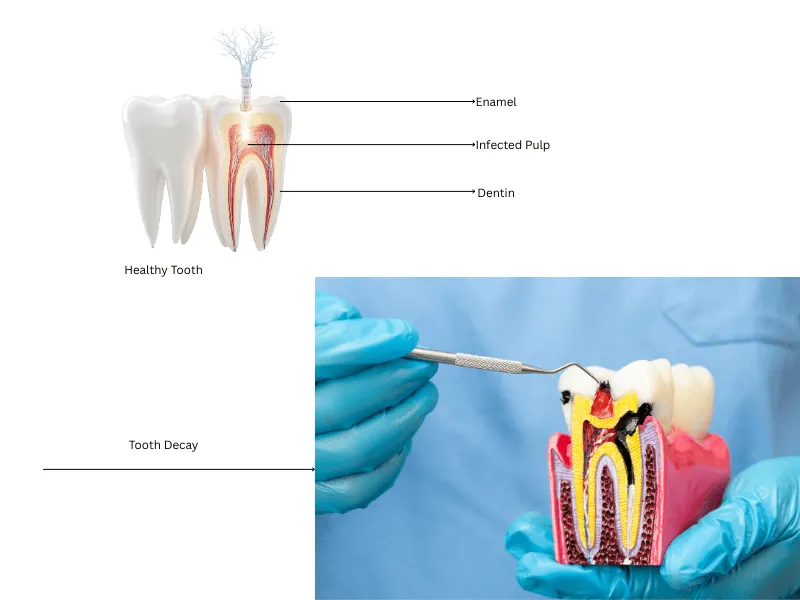
Here are some of the most common reasons someone may require a root canal treatment: likely, a deep cavity that reaches and infects the inside of the tooth, a cracked or chipped tooth which may expose the inner part, having lots of dental care done on one tooth, or an injury to the tooth-even if it doesn’t appear to be damaged. These sorts of problems may involve the nerve of the tooth. And a root canal will then be in order to correct it.
Why You Might Need a Root Canal?

You may need a root canal if the pulp of your tooth is damaged or infected. Common symptoms include:
- Persistent tooth pain
- Sensitivity to hot or cold
- Swelling or tenderness in the gums
- A pimple-like bump on the gums
- Darkening or discoloration of the tooth
In few cases there might be no symptoms and if the issue is discovered on a dental X-ray another reason regular checkups matter.
Why RCT is Worth the Investment
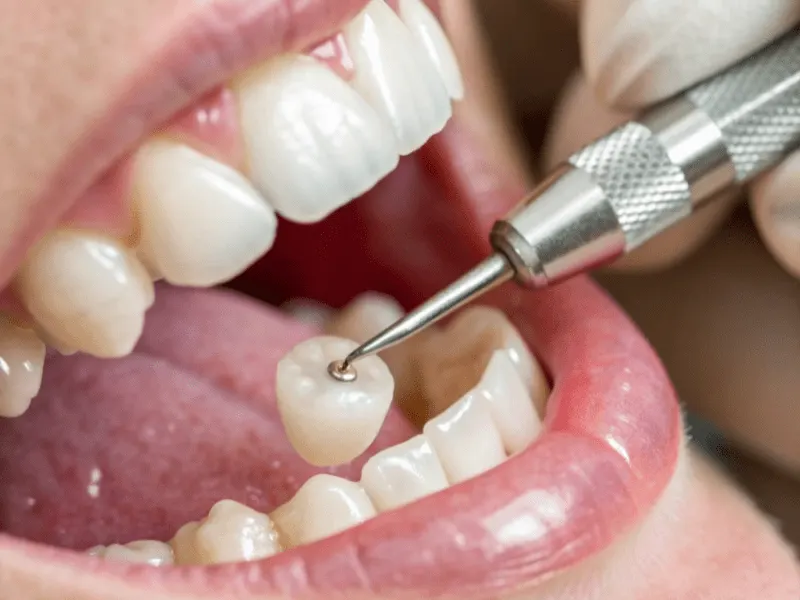
While treatment may seem expensive but it’s a long-term investment in your dental health. A root canal offers several important benefits:
it preserves your natural tooth and helps you avoid extraction, prevents future dental problems that could lead to higher costs, improves your ability to chew and maintain good overall oral health, and removes the infection causing pain and discomfort.
What Happens During the Procedure?
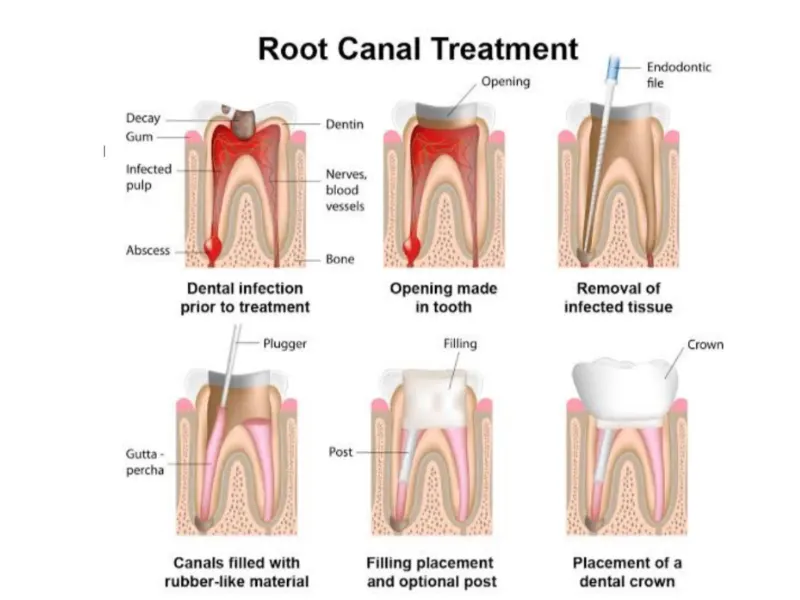
Modern root canals are highly effective and often only require one or two dental visits. This procedure starts with the numbing of the tooth with local anesthesia to keep you comfortable during the treatment. When the area has become numb, your dentist will make a small opening in the tooth for access to the infected or damaged pulp. The pulp is carefully removed, and the root canals are cleaned, shaped. And disinfected to get rid of bacteria and avoid further infection. After cleaning, the canals are filled with a non-toxic, rubber-like material called gutta-percha, which seals the space and keeps it clean. Most teeth need a crown after this treatment to bring back the strength, appearance. And full function that enables you to chew, speak, and smile confidently.
Does a Root Canal Hurt?
You may feel mild soreness afterward, but this usually resolves within a few days. root canal treatment are no more uncomfortable than getting a routine filling. In fact, they often stop the pain caused by the infection.Thanks to modern technology and anesthesia
Benefits of Root Canal Treatment
Choosing a root canal offers many advantages. It saves your natural tooth, restores normal chewing and biting, and helps prevent the spread of infection. It also allows you to avoid more costly treatments like implants or extractions and supports better overall oral health. With a proper crown and good dental care, a tooth that has undergone a root canal can last for many years even a lifetime.
How to Care for Your Tooth After Treatment

- Take any prescribed medications as directed
- Avoid chewing on the treated tooth until the final crown is placed
- Brush and floss regularly
- Schedule your follow-up appointment for crown placement
- Maintain routine dental visits
Proper care ensures long-term success. Visit Dentick Dental care in BTM Layout or J.P Nagar Branch for a Painless RCT Session!
Have a question about your dental health? Ask us — no appointment needed, and it costs nothing.