 WhatsApp

TMJ Pain, Clicking & Jaw Deviation Treatment in Bangalore
Jaw pain, clicking sounds, or your jaw shifting to one side when you open your mouth are all signs of a temporomandibular joint (TMJ) disorder. Dentick Dental Care diagnoses the underlying cause and treats it: not just the symptom.
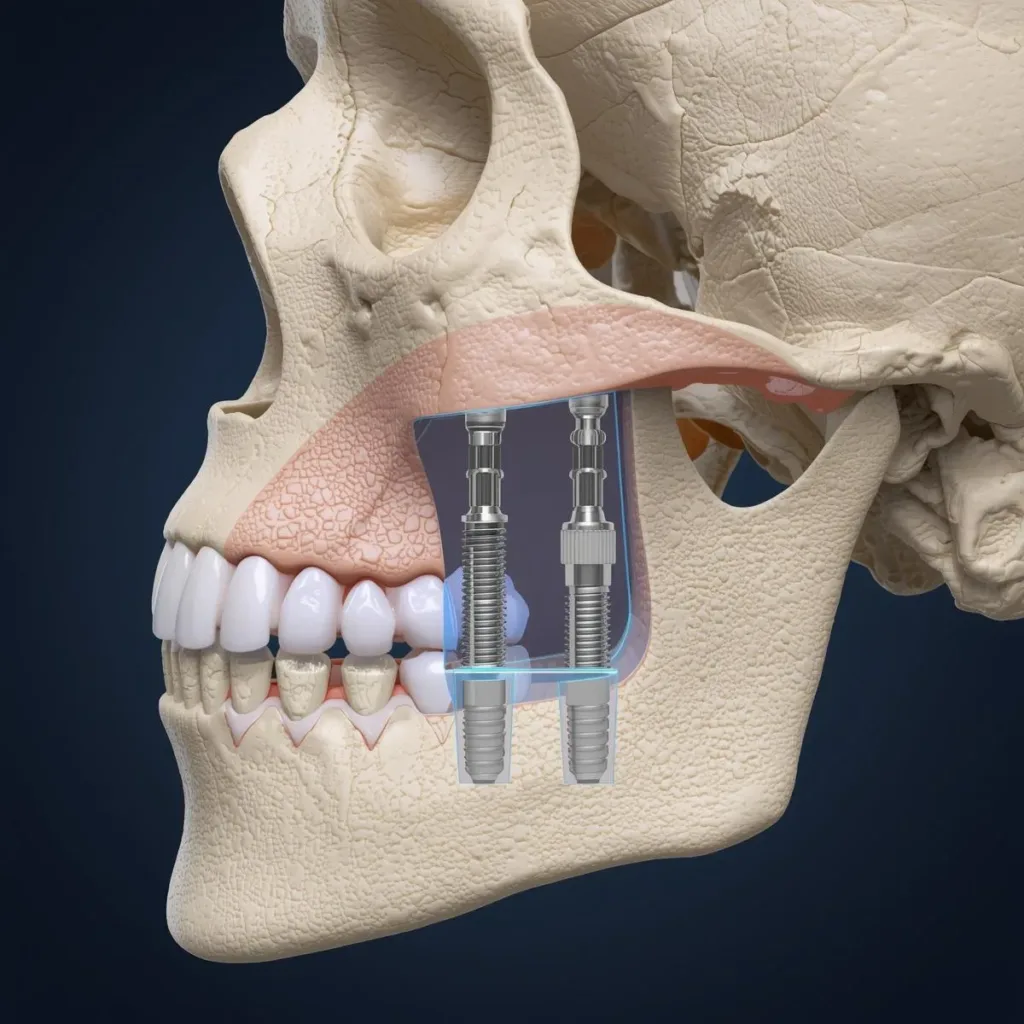
Common Symptoms of TMJ Disorder
TMJ problems show up differently in different people. Here is what to watch for.
Jaw Pain or Soreness
Dull ache or sharp pain in front of the ear, in the jaw muscles, or radiating to the temple, neck, or shoulder, often worse on waking or after chewing.
Clicking or Popping Sound
An audible click, pop, or grating sound when opening or closing the mouth, often felt as well as heard.
Jaw Deviation on Opening
The lower jaw visibly shifts to one side as you open your mouth, instead of moving straight down.
Locking or Limited Opening
Difficulty opening the mouth fully, or the jaw briefly getting "stuck" in an open or closed position.
Headaches & Ear Symptoms
Frequent temple-area headaches, ear fullness, or ringing that has no other identified cause are commonly linked to TMJ dysfunction.
Worn or Sensitive Teeth
Flattened biting edges and increased sensitivity can indicate night-time clenching or grinding (bruxism), a frequent driver of TMJ symptoms.
What Causes TMJ Disorders?
Bruxism (Teeth Grinding)
Chronic clenching or grinding, often during sleep, overloads the jaw joint and surrounding muscles, leading to inflammation and pain over time.
Bite Misalignment
An uneven bite forces the jaw joint to work asymmetrically, which can produce clicking, deviation, and one-sided muscle strain.
Jaw Injury or Trauma
A blow to the jaw, whiplash, or even a wide yawn can displace the joint disc and trigger ongoing symptoms.
Stress-Related Clenching
Daytime jaw clenching during periods of stress or concentration is a common, often overlooked contributor that patients are unaware of.
Arthritis of the Jaw Joint
Degenerative or inflammatory joint conditions can affect the TMJ in the same way they affect other joints in the body.
Missing or Worn Back Teeth
Loss of posterior tooth support changes how the bite closes, shifting load onto the jaw joint over months or years.
How We Treat TMJ Pain, Clicking & Deviation at Dentick
-
1
Clinical Examination & Bite Analysis
We assess jaw movement, listen for joint sounds, check muscle tenderness, and evaluate your bite to identify exactly what is driving your symptoms.
-
2
Digital X-Ray, or a Referred OPG When Needed
Imaging helps rule out joint degeneration, fractures, or structural causes that need a different treatment approach. See our Dental X-Ray & OPG page for details.
-
3
Custom Night Guard / Splint Therapy
A precisely fitted occlusal splint repositions the bite and protects the joint from grinding forces during sleep, the most common first-line treatment. Related: Night Guard & Bruxism.
-
4
Laser-Assisted Muscle Relief
The Novolase Diode Laser can be used on overworked jaw muscles to reduce inflammation and ease pain, complementing splint therapy for faster relief.
-
5
Bite Correction Where Needed
If an uneven bite is contributing, selective adjustment, restorative work, or orthodontic correction (including clear aligners or Invisalign) can rebalance how your jaw closes.
-
6
Home-Care Guidance
We give practical advice on jaw rest, soft-diet phases during flare-ups, gentle stretching, and avoiding habits like wide yawning, nail-biting, or chewing gum that aggravate the joint.
Looking for a TMJ specialist?
TMJ problems sit between dentistry and joint medicine, so the right person depends on what is actually wrong.
- Most cases start with a dentist. Clicking, jaw pain, limited opening and morning soreness are usually driven by the bite and by clenching or grinding. Splint therapy, bite adjustment and habit work are dental treatments, and that is what we provide at both branches.
- Some cases need an oral and maxillofacial surgeon, or an MDS in prosthodontics or oral medicine: a locked joint that will not open, suspected arthritis or a disc that does not reduce, a history of jaw trauma, or symptoms that have not improved after a proper course of conservative treatment.
- Some jaw pain is not TMJ at all. A cracked tooth, an infected molar, wisdom tooth pressure, sinus trouble and neuralgia all refer pain to the same area. An examination and an X-ray separate these quickly, and the answer changes the treatment completely.
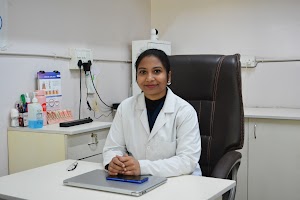
Dr. V. Divyashree is BDS-qualified and treats TMJ disorders conservatively: examination, bite analysis, custom splint therapy and laser-assisted muscle treatment. If your case needs a surgeon or a postgraduate specialist, we will tell you and refer you rather than treat around it. An assessment costs ₹300 – ₹800 and tells you which of the three situations above you are in.
TMJ Disorder: Common Questions
Clicking usually means the small disc inside the jaw joint is slightly out of position and shifts back as the jaw moves. It is common and not always painful, but persistent or painful clicking should be assessed so it does not progress.
Visible deviation usually points to uneven muscle tension or a disc/joint issue on one side. A clinical exam and bite analysis will identify which side is involved and why.
Most TMJ disorders respond well to conservative treatment: splint therapy, bite correction, and habit changes. Severe or long-standing cases may need a longer treatment course, but surgery is rarely the first option.
Yes. Daytime clenching under stress and night-time grinding are among the most common causes of TMJ symptoms we see. Often the patient is completely unaware they are doing it.
If you have pain lasting more than a week, locking, a significant change in your bite, or clicking accompanied by pain, it is worth getting assessed rather than waiting for it to resolve on its own.
Generally no. Joint sounds without pain are common and considered normal. They reflect the small disc inside the joint moving slightly, not damage. Treatment is usually reserved for clicking that comes with pain, locking, or a change in how your teeth meet.
Most cases do not cause lasting harm and many improve with simple, conservative care. But ongoing untreated strain can lead to chronic muscle pain, worsening joint wear, or headaches, which is why we recommend an assessment once pain or function changes appear, rather than waiting indefinitely.
TMJ assessment and treatment is available at both our BTM Layout 2nd Stage and JP Nagar 7th Phase branches.
Available at Both Dentick Branches
BTM Layout 2nd Stage
JP Nagar 7th Phase
In the same building as Dr Kashyap's Healthy Nest
Not sure what you need?
Answer a few quick questions about what is bothering you. We will point you to the treatment it usually relates to, show the typical price range, and give you a short list of questions to ask at your appointment. Takes about a minute.
This is automated guidance based only on what you told us. It is not a diagnosis and not a quote. Only an examination by Dr. Divyashree can tell you what you actually need and what it will cost.
What people say after their visit
Live Google reviews from patients treated at BTM Layout 2nd Stage.








Book Your TMJ Assessment
Tell us about your symptoms and we will examine, explain, and recommend the right treatment path.