 WhatsApp

Dental X-Ray & OPG Scan in Bengaluru | Dentick
Accurate diagnosis is the foundation of great dental care. Dentick uses digital X-rays and refers for OPG (orthopantomogram) and CBCT scans for implant and surgical planning, precise, low-radiation imaging.
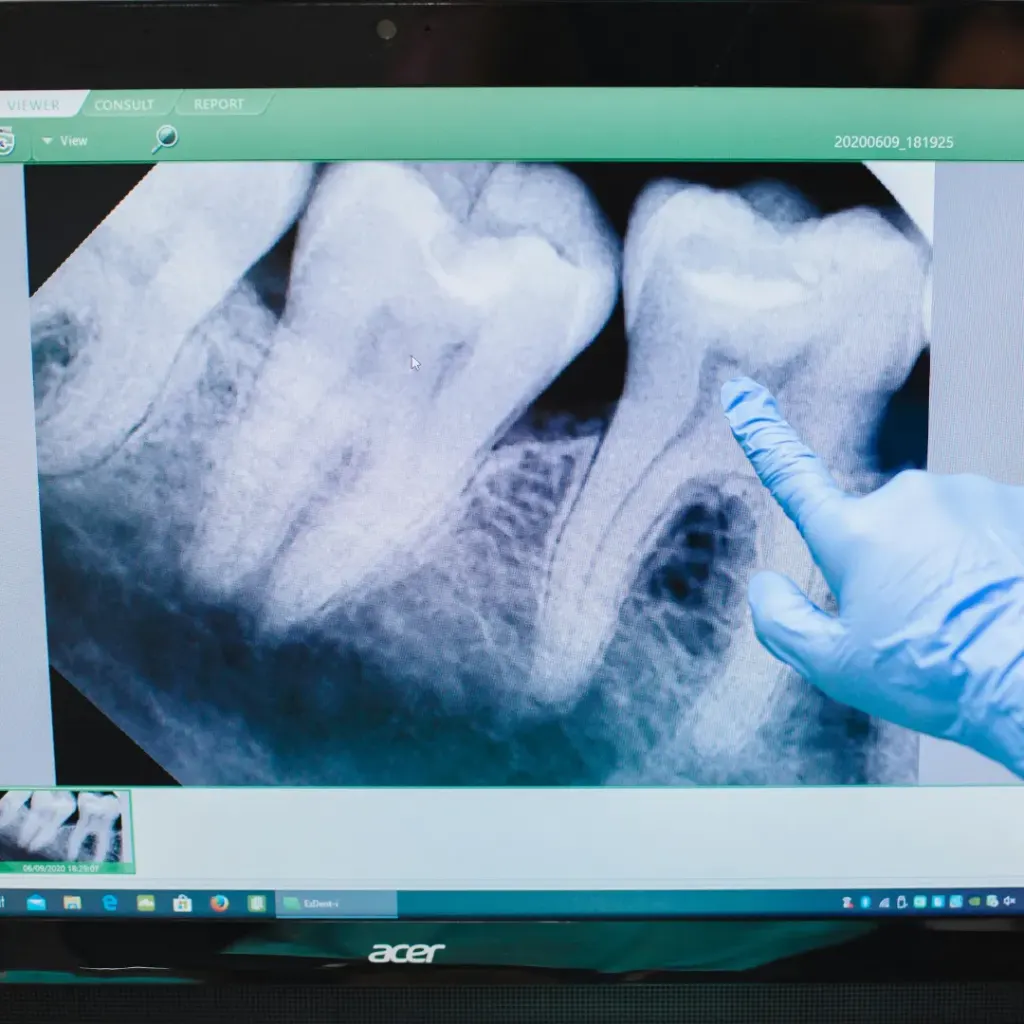
Dental Imaging We Use
Different clinical situations require different types of imaging. We use exactly what's needed and no more.
Intraoral X-Rays (IOPA)
Small sensor placed inside the mouth captures high-detail images of 1–3 teeth. Used for diagnosing cavities, checking root health, monitoring bone levels around specific teeth, and post-treatment verification.
Bitewing X-Rays
Captures both upper and lower teeth on one film, ideal for detecting cavities between teeth (interproximal decay) and monitoring bone levels in patients with gum disease.
OPG (Panoramic X-Ray): referred
A single panoramic image showing all teeth, both jaws, sinuses, and temporomandibular joints. Used for wisdom tooth assessment, orthodontic planning and full-mouth evaluation. We do not have a panoramic unit at either clinic: we refer you to Oral D Diagnostic Centre, who bill you directly, and we read the result with you.
CBCT Scan: referred
Three-dimensional imaging of bone volume, nerve position and anatomy, required before any implant is planned here. Also performed at Oral D Diagnostic Centre and billed by them, because it is not our revenue, there is no reason for us to scan anyone who does not need it.
When Do You Need a Dental X-Ray?
-
1
New Patient Examination
A baseline set of X-rays helps us spot decay, bone levels, and developing issues that are invisible to the naked eye during your first visit.
-
2
Tooth Pain or Swelling
An IOPA X-ray quickly identifies whether pain is coming from decay, an abscess, or a cracked tooth, essential before planning root canal or extraction treatment.
-
3
Before Orthodontic Treatment
An OPG scan shows root angles, impacted teeth, and jaw relationships, required before starting braces or clear aligners.
-
4
Before Implant Surgery
A CBCT scan maps bone volume and nerve position in 3D, allowing Dr. Divyashree to plan implant placement with millimetre precision.
-
5
Routine Monitoring
Bitewing X-rays every 1–2 years catch decay between teeth early, before it becomes painful or requires more extensive treatment.
Dental X-Ray & OPG: Common Questions
Yes. Digital dental X-rays use a fraction of the radiation of medical CT scans. The dose from a full-mouth series of dental X-rays is less than the natural background radiation you receive in a single day. We use lead aprons and follow ALARA (as low as reasonably achievable) principles.
Dental X-rays during pregnancy are generally avoided unless clinically urgent. If you are pregnant or suspect you may be, always inform us before any imaging. We will use lead apron shielding and take only what is absolutely necessary.
An OPG (orthopantomogram) shows all teeth and jaw structures in a single image. It is commonly used for wisdom tooth assessment, orthodontic treatment planning, evaluating jaw fractures, and identifying pathology across the full dental arch.
For most adults with good oral health, every 1–2 years is sufficient. Higher-risk patients (active decay, gum disease, orthodontic treatment) may need imaging more frequently. We only recommend what is clinically necessary.
CBCT 3D scanning for implant planning is done at our partner facility, Oral D Diagnostic Centre, and billed separately from your consultation.
Not sure what you need?
Answer a few quick questions about what is bothering you. We will point you to the treatment it usually relates to, show the typical price range, and give you a short list of questions to ask at your appointment. Takes about a minute.
This is automated guidance based only on what you told us. It is not a diagnosis and not a quote. Only an examination by Dr. Divyashree can tell you what you actually need and what it will cost.
What people say after their visit
Live Google reviews from patients treated at BTM Layout 2nd Stage.
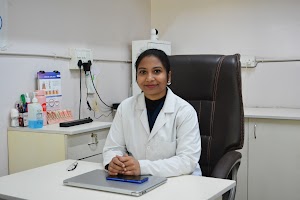








Book Your Dental Assessment
We use only the imaging you need. Available at BTM Layout and JP Nagar.