 WhatsApp

Toothache at 11pm? Emergency Dental Care in South Bangalore, 24/7
Dental pain has a particular habit of arriving at night. Partly because lying down increases blood pressure in the pulp, partly because there is nothing else to think about at 11pm.
Most of it can safely wait until morning. Some of it genuinely cannot, and the difference is worth knowing before you are the one deciding at midnight.
The short answer: Call +91 93538 45416 at any hour. Facial swelling, a knocked-out tooth, uncontrolled bleeding, or pain that painkillers are not controlling should not wait until morning. Our doctor lives near the BTM Layout clinic, which is why a late-night call is answerable.
We answer at any hour
The phone is answered at any hour on +91 93538 45416. Not a recorded message, not a callback form, someone answers.
A large proportion of night calls are resolved on the phone. We can tell you whether what you are describing needs to be seen now, what to take. And what to do in the meantime. That conversation costs nothing, and it is genuinely the point of the number. If you do need to be seen, we arrange it then. If you do not, you have a clear answer instead of six contradictory search results and a night of worrying.
Our doctor lives nearby
This is the practical reason a 24/7 claim is meaningful rather than marketing. Our doctor lives close to the BTM Layout clinic. So opening it at short notice outside hours is realistic rather than theoretical.
It also means the person you speak to at 1am is a dentist rather than a call handler. That matters when the question is whether facial swelling is the kind that can wait. A description over the phone is enough for a clinician to triage. And not enough for anyone else. Consultations during late-night emergency hours are ₹500.
Both clinics keep emergency slots
Both BTM Layout 2nd Stage and JP Nagar 7th Phase hold slots back each day for people in pain rather than filling the diary entirely with planned work.
So if you call in the morning with a genuine problem, you are usually seen the same day, not offered something next week. This is also why we ask you to say when you book that you are in pain. It changes which slot you are given. During normal hours, both clinics run 11am–2pm and 5pm–8:30pm, seven days including Sunday. So the gap between problem and appointment is shorter here than at most practices in the area.
Do not wait out facial swelling
Facial swelling is the one thing on this page that genuinely should not wait. A dental infection that has spread beyond the tooth into the surrounding tissue can progress quickly. And swelling that involves the eye, the floor of the mouth, or the neck, or that comes with difficulty swallowing or breathing, is a hospital emergency rather than a dental one.
Painkillers reduce the pain and do nothing to the infection underneath. So does an antibiotic left over from last time. Taking a partial course masks the progression while making the eventual treatment harder. If your face is swollen, call. If you cannot swallow properly or the swelling is spreading upward or downward, go to a hospital emergency department immediately and call us afterwards.
Calling early usually means a smaller treatment
Almost every expensive dental treatment began as something small that was managed with painkillers for a fortnight. A cavity that could have been a filling becomes a root canal. A root canal that could have saved the tooth becomes an extraction.
Nothing is gained by waiting out dental pain. Because unlike most pain it does not signal a process that will resolve on its own. It is also worth knowing that pain stopping is not always good news. A nerve that dies goes quiet. And the infection continues silently underneath. If you had severe toothache last week and it disappeared without treatment, that is a reason to be seen, not a reason to relax.
What it costs at Dentick
These are our current published prices for emergency / late-night visit at both the BTM Layout 2nd Stage and JP Nagar 7th Phase clinics. You receive the full cost in writing before any treatment begins, and the written figure is the figure. The complete list for every treatment we offer is on our published price list.
| Treatment | Cost |
|---|---|
| Late-night / emergency-hours consultation | ₹500 – ₹1,000 |
| Emergency exam & pain relief | ₹500 – ₹1,000 |
Frequently asked questions
What counts as a dental emergency?
Facial swelling, a permanent tooth knocked out, bleeding that will not stop after an extraction, a fractured tooth with the nerve exposed, and pain that painkillers are not controlling. Trauma to the face or jaw needs assessment too. A chipped tooth with no pain, a lost filling, or a broken denture are urgent but can wait for opening hours.
What should I do if a tooth is knocked out?
Handle it by the crown, never the root. If it is dirty, rinse it briefly in milk or saline: not water, and do not scrub it. Reimplant it in the socket immediately if you can and bite gently on a cloth. If you cannot, store it in milk or inside the cheek and get to us within the hour. Time is the single biggest factor in whether it survives, and a dry tooth after an hour usually does not. Do not attempt this with a baby tooth.
What can I take for toothache at night?
Ibuprofen is generally more effective than paracetamol for dental pain because the problem is inflammatory. And the two can be alternated if one alone is insufficient. Assuming no medical reason you should not take them. Keep your head elevated, since lying flat increases pulp pressure and makes it worse. Do not put aspirin against the gum; it causes a chemical burn. And do not start leftover antibiotics without being seen.
How much does an emergency dental visit cost?
Consultations during late-night emergency hours are ₹500. During normal opening hours a consultation starts at ₹300. Treatment is quoted separately once we have seen what is going on. And you get the cost before we do anything beyond making you comfortable.
Do I need an appointment for an emergency?
Call first, always, even if you are already on your way. It lets us prepare, and quite often it lets us resolve it without you needing to come in. Both clinics keep emergency slots free during opening hours, and outside them the phone is the route in.
Should I go to a hospital or a dentist for a dental emergency?
A dentist, for almost all of it. Hospital emergency departments in Bangalore can usually offer painkillers and antibiotics but not definitive dental treatment. The exceptions are genuine red flags: difficulty swallowing or breathing, swelling spreading to the eye or down the neck, a high fever with facial swelling, or significant facial trauma. Those need a hospital immediately, and you can call us afterwards.
My filling fell out. Is that an emergency?
Not usually, unless the tooth is painful or a sharp edge is cutting your tongue. Keep the area clean, avoid chewing on it. And book within a few days. An unprotected cavity picks up decay quickly and the tooth is structurally weaker without the filling. Temporary filling material from a pharmacy is a reasonable stopgap for a day or two. Do not use household adhesive.
A crown came off: what should I do?
Keep it, and bring it in; it can very often be recemented rather than remade. Do not attempt to glue it back yourself, as household adhesives are not food-safe and make a proper recement harder. The exposed tooth underneath will be sensitive, so avoid extremes of temperature and chew on the other side. Book within a few days. The exposed stump can shift or chip, and then the crown will no longer fit.
What if my child knocks out a tooth?
If it is a baby tooth, do not attempt to put it back. Reimplanting it can damage the developing permanent tooth underneath. Control the bleeding with gentle pressure and call us. If it is a permanent tooth, handle it by the crown only, rinse briefly in milk if dirty, reimplant it immediately if you can. And get to us within the hour. Time is the biggest factor in whether it survives.
Is facial swelling from a tooth dangerous?
It can be, which is why it is the one thing on this site we ask you not to wait on. A dental infection that has spread beyond the tooth can progress quickly. And swelling involving the eye, the floor of the mouth or the neck, particularly with difficulty swallowing or breathing, is a medical emergency requiring hospital care. Facial swelling without those features still needs seeing the same day. Painkillers do nothing to the infection.
Can I take leftover antibiotics for a toothache?
No. A partial or inappropriate course masks the progression of the infection while making the eventual treatment harder, and it contributes to resistance. Antibiotics also do not resolve a dental infection on their own: the source has to be treated, which means a root canal, a drainage, or an extraction. If antibiotics are appropriate for you, we will prescribe the right one at the right dose.
Do you charge more for an emergency appointment?
Only outside normal hours. Consultations during late-night emergency hours are ₹500. Within our opening hours: 11am to 2pm and 5pm to 8:30pm, seven days a week. A consultation is ₹300 regardless of whether it is booked or urgent. Treatment is quoted separately once we have seen the problem. And you get the cost before anything beyond immediate pain relief.
Save the number now rather than searching for it at midnight: +91 93538 45416. It is answered at any hour, and asking whether something counts as an emergency costs nothing.
Related reading
Book an appointment in BTM Layout or JP Nagar
Dentick Dental Care runs two clinics in South Bengaluru, BTM Layout 2nd Stage and JP Nagar 7th Phase. Open 24 hours, seven days a week. Consulting sessions run 11am–2pm and 5pm–8:30pm. Book within those and you will be seen without waiting. Walk-ins and emergencies are attended at any hour, with a short wait outside session times. Evening sessions mean you do not need to take a weekday morning off. Read more about this treatment.
Call or WhatsApp +91 93538 45416 to book. Consultations start at ₹300 and include a written treatment plan with exact costs. We also serve patients from Koramangala, HSR Layout, Jayanagar, Bannerghatta Road, Arekere, Bommanahalli and Gottigere.
What is Root Canal Treatment?
Root canal treatment is a safe and highly effective procedure to prevent damaged or infected tooth. The process is to take out the tissue inside the tooth where the tissue can be infected or hurt. The treatment stops more decay and It helps the tooth work again.
Root canal therapy also removes the infection , cleans and disinfects the inside of the tooth,
fills and seals the root and restores the tooth with a crown for long-term protection and better oral health
Root canal therapy
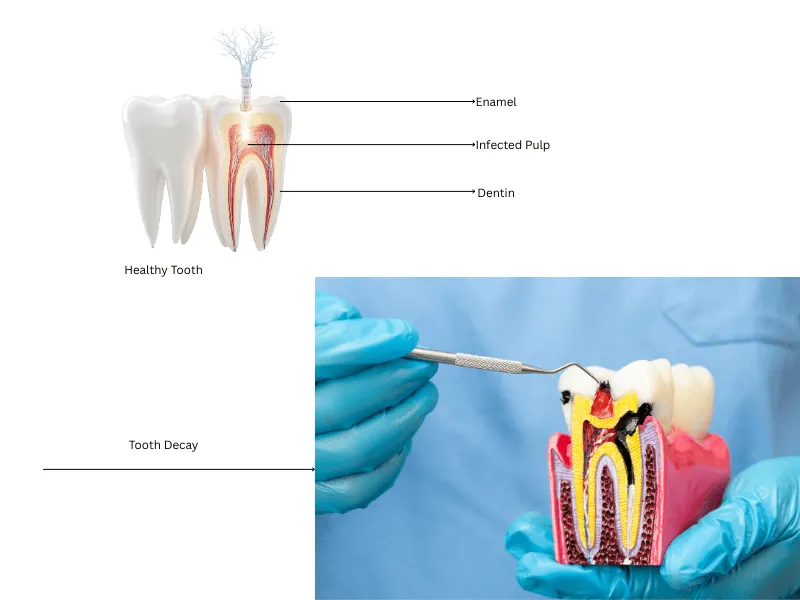
Here are some of the most common reasons someone may require a root canal treatment: likely, a deep cavity that reaches and infects the inside of the tooth, a cracked or chipped tooth which may expose the inner part, having lots of dental care done on one tooth, or an injury to the tooth-even if it doesn’t appear to be damaged. These sorts of problems may involve the nerve of the tooth. And a root canal will then be in order to correct it.
Why You Might Need a Root Canal?
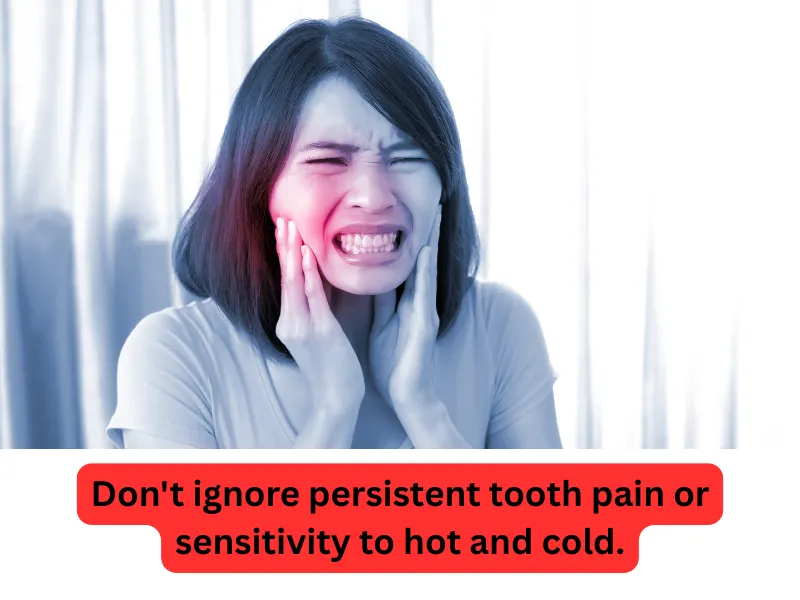
You may need a root canal if the pulp of your tooth is damaged or infected. Common symptoms include:
- Persistent tooth pain
- Sensitivity to hot or cold
- Swelling or tenderness in the gums
- A pimple-like bump on the gums
- Darkening or discoloration of the tooth
In few cases there might be no symptoms and if the issue is discovered on a dental X-ray another reason regular checkups matter.
Why RCT is Worth the Investment
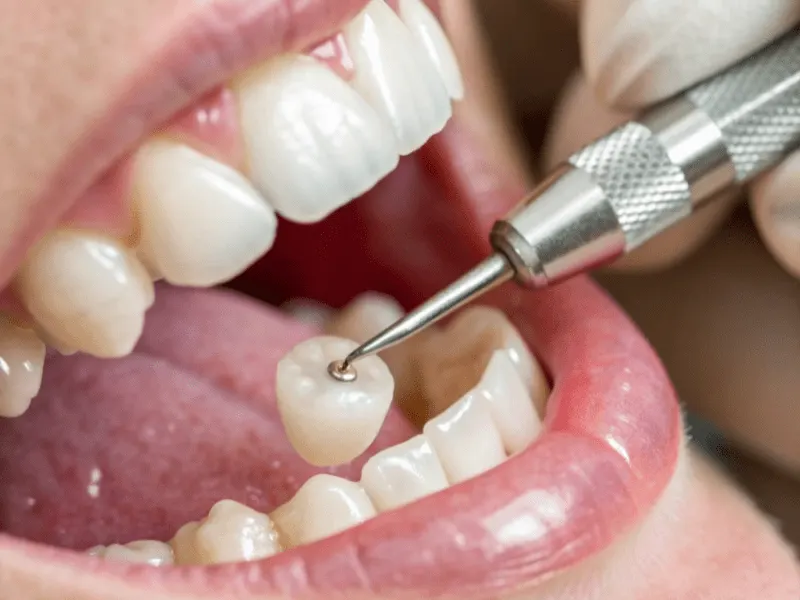
While treatment may seem expensive but it’s a long-term investment in your dental health. A root canal offers several important benefits:
it preserves your natural tooth and helps you avoid extraction, prevents future dental problems that could lead to higher costs, improves your ability to chew and maintain good overall oral health, and removes the infection causing pain and discomfort.
What Happens During the Procedure?
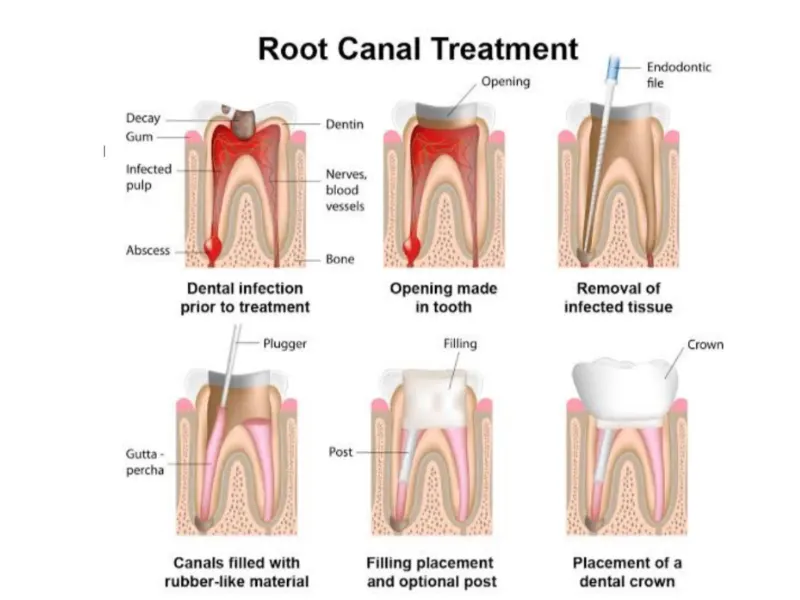
Modern root canals are highly effective and often only require one or two dental visits. This procedure starts with the numbing of the tooth with local anesthesia to keep you comfortable during the treatment. When the area has become numb, your dentist will make a small opening in the tooth for access to the infected or damaged pulp. The pulp is carefully removed, and the root canals are cleaned, shaped. And disinfected to get rid of bacteria and avoid further infection. After cleaning, the canals are filled with a non-toxic, rubber-like material called gutta-percha, which seals the space and keeps it clean. Most teeth need a crown after this treatment to bring back the strength, appearance. And full function that enables you to chew, speak, and smile confidently.
Does a Root Canal Hurt?
You may feel mild soreness afterward, but this usually resolves within a few days. root canal treatment are no more uncomfortable than getting a routine filling. In fact, they often stop the pain caused by the infection.Thanks to modern technology and anesthesia
Benefits of Root Canal Treatment
Choosing a root canal offers many advantages. It saves your natural tooth, restores normal chewing and biting, and helps prevent the spread of infection. It also allows you to avoid more costly treatments like implants or extractions and supports better overall oral health. With a proper crown and good dental care, a tooth that has undergone a root canal can last for many years even a lifetime.
How to Care for Your Tooth After Treatment

- Take any prescribed medications as directed
- Avoid chewing on the treated tooth until the final crown is placed
- Brush and floss regularly
- Schedule your follow-up appointment for crown placement
- Maintain routine dental visits
Proper care ensures long-term success. Visit Dentick Dental care in BTM Layout or J.P Nagar Branch for a Painless RCT Session!
How to Deal with Braces Pain
Braces Pain: A Common but Manageable Challenge
Braces are an excellent way to achieve a stunning smile. But they can come with a bit of discomfort as your teeth shift and adjust. Don’t worry, though – managing braces pain is possible with the right strategies. In this blog, we’ll guide you through some effective ways to alleviate braces pain and ensure your journey to a beautiful smile is as comfortable as possible.
Introduction: Embracing the Journey to a Beautiful Smile
Embarking on a journey towards a perfectly aligned smile with braces is an exciting endeavor. However, it’s not without its challenges. One of the most common discomforts faced by individuals with braces is the inevitable braces pain. This blog aims to provide you with valuable insights and strategies to manage and overcome this temporary discomfort.
Understanding Braces Pain: Why Does it Happen?
Braces work by gently shifting your teeth into their desired positions over time. This movement creates pressure on your teeth and gums, leading to the sensation of pain. Additionally, braces can cause small sores in your mouth due to friction. Understanding that this pain is a natural part of the orthodontic process can make it more manageable.
Initial Days with Braces: The Adjustment Period
In the initial days after getting braces, your mouth needs time to adapt to this new addition. During this adjustment period, it’s common to experience heightened discomfort. Your orthodontist will guide you through this phase, offering suggestions to alleviate the pain.
Dealing with Mouth Sores: Addressing Additional Discomfort
If you develop mouth sores from braces, topical gels or rinses recommended by your orthodontist can provide relief.
What can you eat with braces?
After you get your braces, you’ll want to stick to soft foods for a few days. Good options include:
- Pasta.
- Cooked vegetables.
- Mashed potatoes.
- Scrambled eggs.
- Yogurt.
- Soup.
- Soft fruits.
- Oatmeal.
Once the discomfort wears off, you can start adding other foods to your diet.
You should avoid certain hard and sticky foods the entire time you have braces. This includes nuts, caramels and crunchy fruits and veggies.
How to Prevent Braces Pain
- Maintain good oral hygiene: Brush and floss your teeth regularly to remove plaque and bacteria.
- Avoid hard, crunchy, or sticky foods: These foods can put more pressure on your teeth and braces, which can lead to pain.
- See your orthodontist regularly: Your orthodontist can adjust your braces as needed to prevent pain.
BRACES PAIN:TIPS TO EASE
- Saltwater Rinse: Mix a teaspoon of salt in warm water and rinse your mouth to soothe gum irritation and reduce inflammation.
- Orthodontic Wax: Apply orthodontic wax to brackets or wires causing irritation to create a barrier between your braces and sensitive areas of your mouth.
- Cold Compress: Place a cold compress on your cheeks to numb the pain and reduce swelling. This can be particularly helpful during the first few days after adjustments.
- Over-the-Counter Pain Relievers: Non-prescription pain relievers like ibuprofen can provide temporary relief from braces discomfort.Before using any medication, it’s important to consult with your orthodontist. Soft Food Diet: Stick to soft foods like yogurt, soup, mashed potatoes. And smoothies, especially after adjustments when your teeth may feel more sensitive.
- Oral Anesthetic Gel: Apply an oral anesthetic gel to the sore areas for temporary relief. Follow the instructions on the packaging.
- Proper Oral Hygiene: Keeping your teeth and braces clean can prevent additional irritation. Use a soft-bristle toothbrush and be gentle while brushing.
- Avoid Certain Foods: Stay away from crunchy, sticky. And hard-to-chew foods to minimize the risk of exacerbating pain or damaging your braces.
When to Consult Your Orthodontist
- If you are experiencing severe pain or discomfort
- If you have any questions or concerns about your braces
- If your braces break or come loose.
FAQs
Q1: How long does braces pain last after adjustments?
A:Braces pain typically lasts for a few days after adjustments. Your teeth need time to adapt to the new pressure.
Q2: Can I play sports with braces?
A:Yes, but it’s advisable to wear a mouthguard to protect your braces and mouth during physical activities.
Q3: How often will I need adjustments?
A:Adjustment schedules vary, but they are usually scheduled every 4 to 6 weeks.
Q4: Are there age restrictions for getting braces?
A:No, braces can be effective for people of all ages looking to improve their smiles.
Q5: What if a wire breaks or comes loose?
A:Contact your orthodontist immediately for guidance. Don’t try to fix it yourself.
Conclusion
Braces pain is a common part of the journey to a straighter smile. By following these tips and being patient, you can manage the discomfort and enjoy the long-term benefits of a beautiful, healthy grin.
Remember, if you’re in Bangalore, Dentick Dental Care is here to support your orthodontic needs and provide expert guidance for a comfortable braces experience.
Don’t let braces pain hold you back from achieving the smile you’ve always wanted. Contact Dentick Dental Care today,if needed for a consultation and take the first step towards a confident, pain-free smile.
Call us for a Dental Checkup
If you are in the BTM Layout Vicinity, Come in for a consultation, Prevention is better than Cure!