 WhatsApp

What ARE dentures?
The most widely recommended treatment for patients who lost few or all of their natural teeth. Denture helps in let go of insecurities and enjoy a smooth, natural smile that enhances their confidence, they are custom-made to fit comfortably in your mouth and restore both function and appearance. Support individuals regain their ability to speak, eat, laugh with assured steps and treatment process. The dentick dental care page will lead you to the right breakdown.
Why chose dentures?
They can provide the following denefits:
- Enable you to eat and chew again
- Help improve your pronunciation
- Make your face look better due to muscle support
- Increase self-confidence and self-respect
- Serve as an economical means to replace teeth
Your delightful journey
The process for fitting dentures is often lengthy:
Firstly, when you have your first visit, your teeth and mouth will be examined by the dentist who then will discuss with you the best dentures to choose from depending on your needs. Then, your teeth and gums will be imprinted to provide exact molds needed for your dental plate. Then, the temporary one are made to see how they fit you. This way, some changes can be made if needed.Booking a dental consultation in dentick dental care will take you to a compassionate professional as a first step towards your healthy smile.
Denture options available:
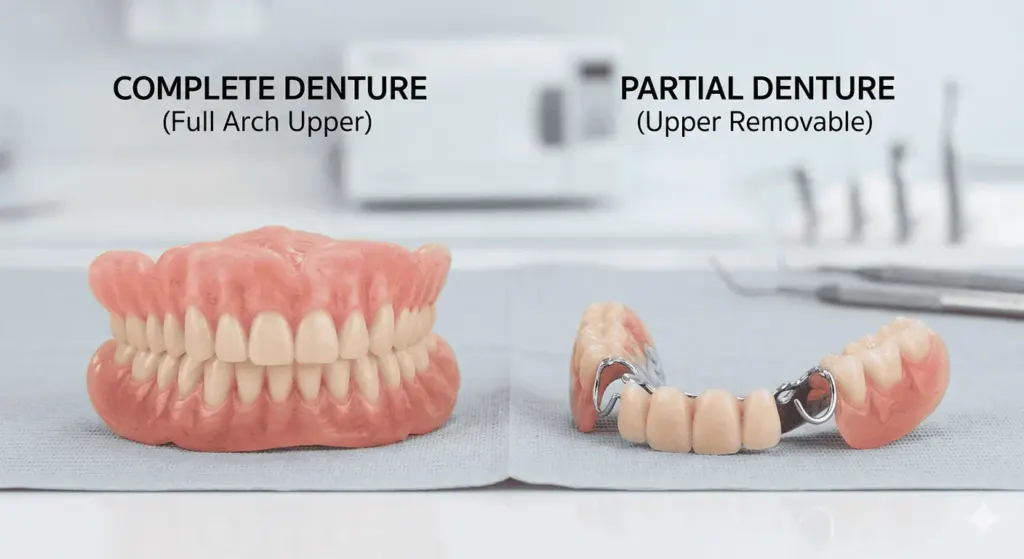
Complete dentures
Complete Dentures, which are so called full dentures, are used when all of the teeth are absent from their upper or lower jaw. The complete dentures will be sitting directly on the gums and made specifically to match the appearance and provide comfort. They are helpful in performing important tasks like chewing and speech. They will require some time, getting used to but are very light and durable. This treatments are provided in Dentick Dental Care to know more visit the clinic located in BTM layout and JP Nagar.
Partial Dentures
Partial dentures are ideal for those who have some natural teeth intact in their mouth. These consist of artificial teeth that are attached to an acrylic base. There is usually a metal or plastic framework used to support. They also help in filling the space created due to missing teeth, thereby preventing other teeth from moving from their place.
Fixed Partial Dentures (FPD)
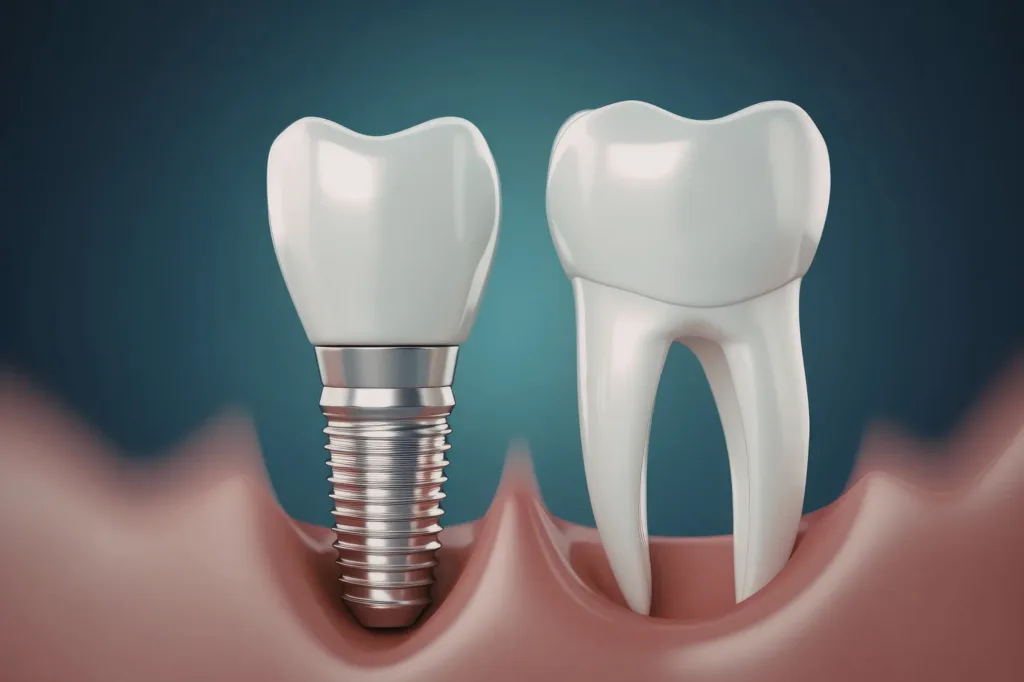
Fixed Partial Dentures (FPDs), which are also referred to as dental bridges, account a non-detachable alternative for the replacement of a single tooth or several missing teeth. They are firmly cemented onto natural teeth or crowns and serve as a permanent replacement for missing teeth. Unlike conventional others that can be easily removed, FPDs provide a permanent replacement option with increased chewing effectiveness and resemble natural teeth.
Implant-Supported Dentures
Implant-supported are a relatively new type of dental restoration with excellent stability properties. The denture is fixed on top of implants, which are implanted into the jawbone. Thus, these dental plates will remain firmly attached during chewing and talking. Also, their use helps keep the jawbone dense and prevent bone loss. While the implant-supported denture is more expensive and needs surgery, it offers better convenience and longevity.
Facts and Myths about Dentures
Myth: They don’t look natural
Fact: Today’s dental plates are designed to look natural
Myth: They are uncomfortable
Fact: When properly fitted, dentures are comfortable once you adjust to wearing them
Myth: Dentures will never wear out
Fact: Dentures may be replaced or refitted over time
Dentures Dos and Don’ts
Dos:
- Use them as recommended by your dentist
- Practice good oral hygiene
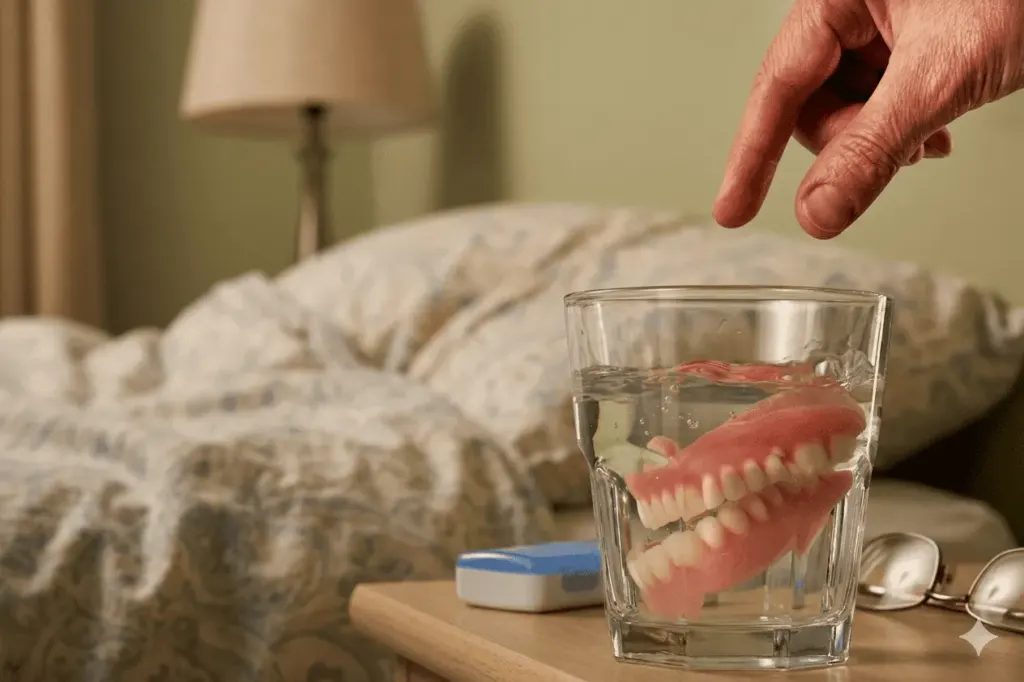
- Soak it in the water when not wearing them
- Visit the dentist regularly
Don’ts:
- Avoid using harsh chemicals on them
- Don’t sleep with dentures except when advised to do so
Clinics for Dentures Near You

A leading dental clinic in BTM Layout and JP Nagar offers a wide range of treatments to meet your needs. If you’re considering treatment to fix things, book a consultation with an orthodontist at Dentick Dental Care today to find the most suitable treatment option for your smile.
Dental Implants That Look, Feel and Function Like Natural Teeth
Missing teeth are not just about your smile; rather, it can affect the way you chew your food and talk. This brings us to the importance of artificial teeth in relation to the modern solution of dental implants. For sure, dental implants are the technique incorporated in implantation dentistry. If you are living with missing teeth or uncomfortable dentures, you’ve likely asked the big question: “Are dental implants worth?” The dentick dental care page will lead you to the right breakdown.
What Are Dental Implants?
Natural oral structure is the perfect composure of strength and beauty! Natural teeth may be lost due to various reasons. But dental implants offer the best alternative to restore strength and elegance. Dentists place titanium tooth roots directly into the jawbone through a safe surgical procedure, creating a strong and stable foundation for replacement teeth. At the end of the healing period, the implant fuses with the jawbone, providing a foundation for a crown or denture.
Dental implants have the natural advantage of preserving the jawbone while restoring the mouth with its natural look compared to other options available in the dental restoration industry.
Types of Dental Implants
Understanding implant types helps patients choose the most suitable option based on bone density, oral condition and treatment goals.
1. Endosteal Implants
Dentists most commonly use these screw-shaped implants and place them directly into the jawbone. They work best for people with strong bone density and can support single crowns or multiple teeth.
2. Subperiosteal Implants
Dentists often use this treatment for patients with significant bone loss who want to avoid bone grafting. They place the framework on top of the jawbone but beneath the gums.
3. Zygomatic Implants
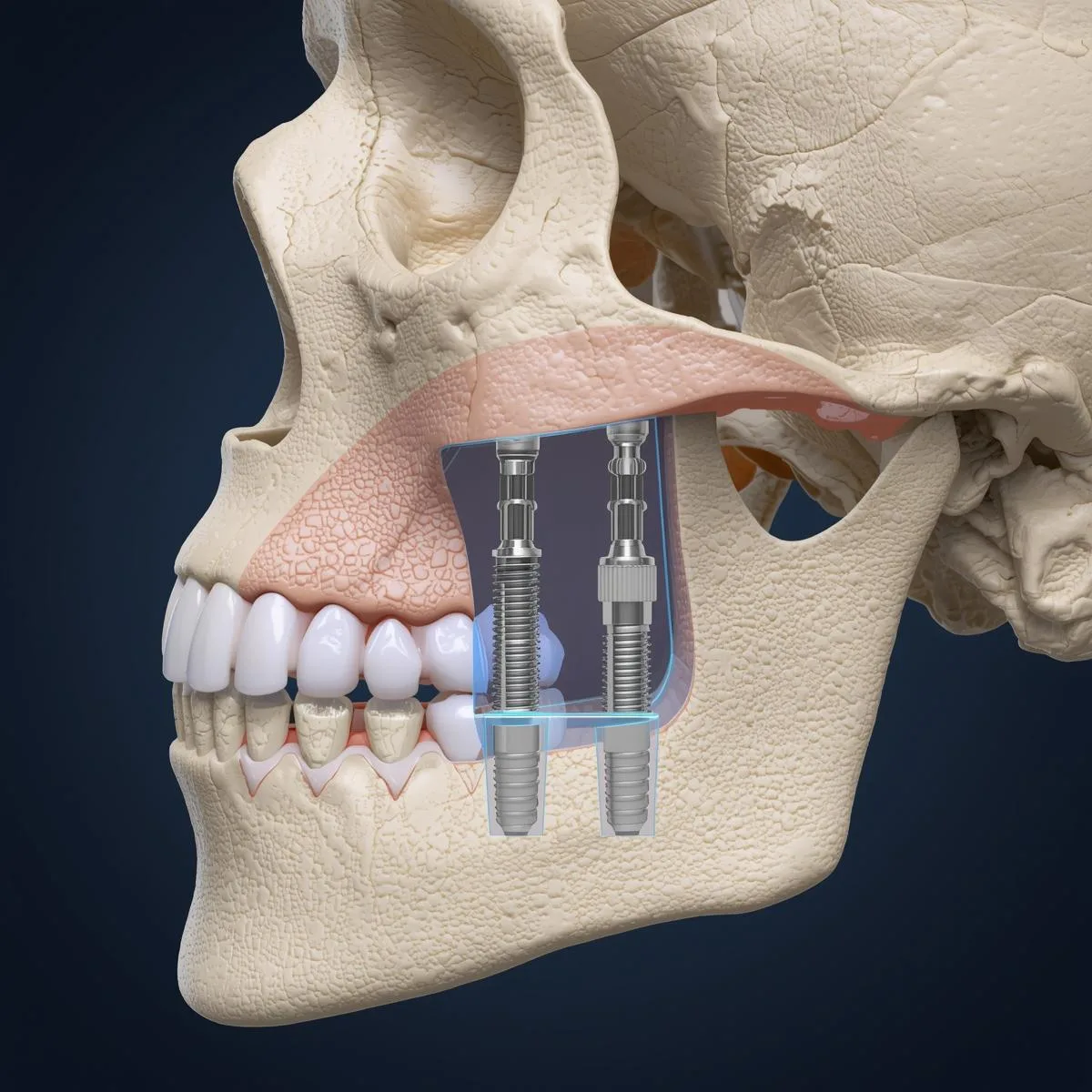
These are long implants used for the upper jaw with severe bone loss. They do not go into the jaw but rather go into the cheekbone, called the zygoma. This usually eliminates the sinus lifts or complicated bone augmentation procedures.
Dentists in dentick dental care located in BTM Layout and JP Nagar will carefully examine the patients to determine the appropriate implant types for effective results.
All-on-4 Dental Implants: Full-Arch Restoration
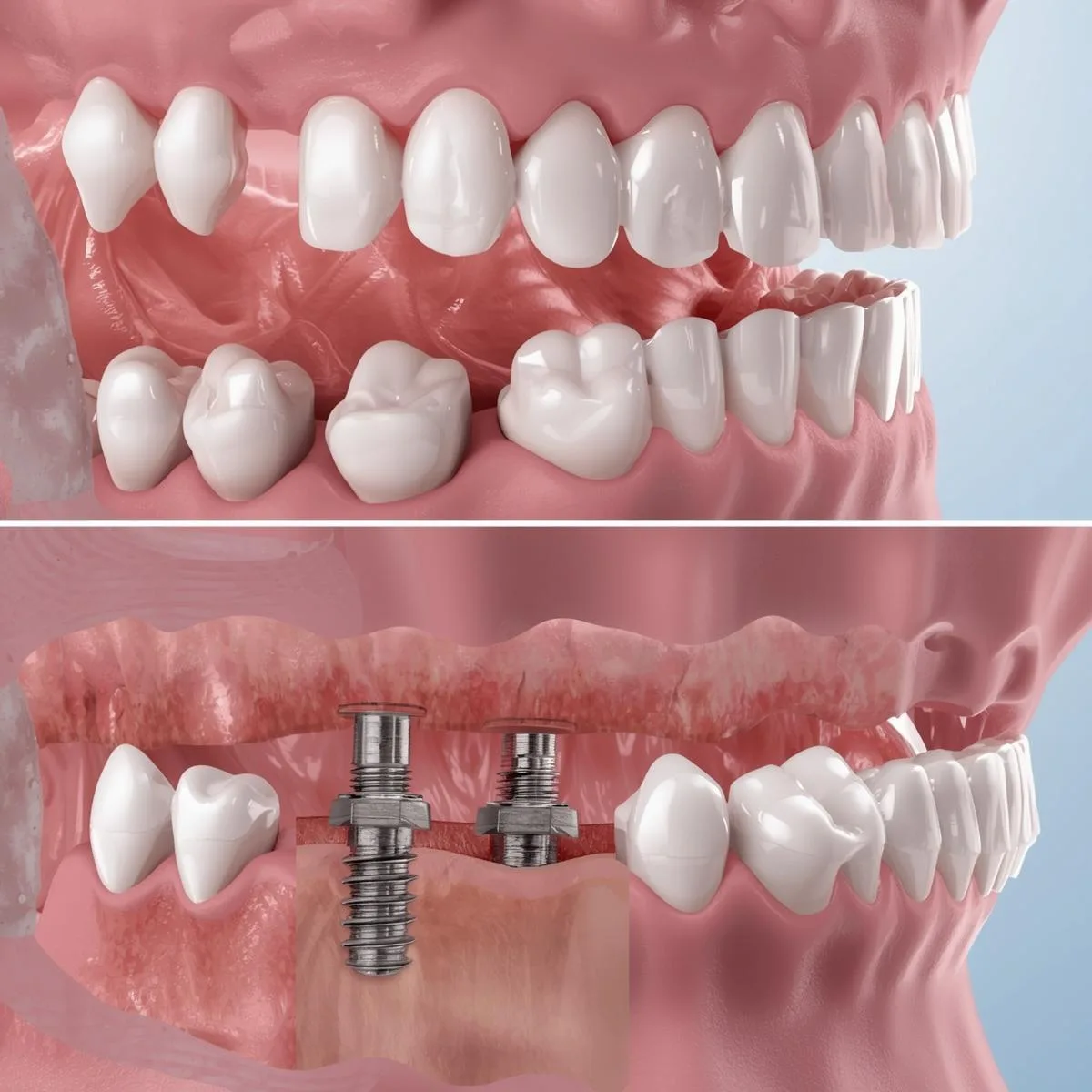
“All on Four” dental implants is a revolutionary way to replace teeth that are missing. All on Four is a teeth replacement process that requires the placement of only four implants to support an upper or lower full set of teeth. Benefits include decreased number of implants needed, quicker recovery time, as well as instant functionality.
Nevertheless, for anyone interested in a full-mouth solution, all on 4 implants provide stability, comfort. And aesthetical results without needing a separate implant per missing tooth.
Dental Implant Cost: What to Expect
The cost of a dental implant depends on various factors such as the quantity, type of restoration required, and location. Although implants are costly, they are very beneficial in the long run because they are long-lasting and require very little maintenance. To know further, book an appointment in dentick dental care now!!
Implantation Dentistry: Advanced and Reliable
Modern-day implant dentistry employs imagery technology, surgical guidance, and superior-quality materials to attain precision and comfort. Modern implant dentistry is an advanced branch of dentistry where the focus is on patient-specific dentistry for predictable results. Because of continuous advancements, implantation dentistry has made dental implants safer, faster, and more accessible.
Can Everyone Get a Dental Implant?
Anyone over the age of 18 can consider dental implants in dental care as long as they have healthy gums, they have enough bone to support the implantation of teeth. And they are in good health. There are cases of diseases such as gum diseases, diabetes, smoking, bone destruction that prevent patients from having dental implants. However, through treatment of the said diseases, one can qualify to have dental implants in an oral care setting.
Conclusion
Treatments are a proven long-term solution for restoring missing teeth while preserving oral health and facial structure. With various implant options, expert care from a periodontist is essential. Dentick dental care will provide you with an array of services, secure a consultation now!!!
FAQs
What are Dental Implants?
Yes. Dental implants are known to be a safe and established procedure and can be effective when carried out by an experienced dental expert.
Can everyone get a dental implant?
Adults usually qualify for dental implants, however, a strong gum health, sufficient jawbone volume. And a good health status are necessary.
Is the dental implant procedure painful?
Dentists usually perform this procedure under local anesthesia, ensuring patient comfort. Medication can effectively relieve any discomfort experienced during the treatment.
How long do dental implants last?
However with proper oral hygiene and regular dental check-ups, dental implants can last a long time, sometimes a lifetime.
What is the recovery time after dental implant surgery?
The initial healing will take a few days. While the full integration of the implant into the jawbone can take several months.
Teeth Scaling Treatment: Process, Benefits, and Aftercare
Oral hygiene is considered very important that goes beyond brushing and flossing daily. Even if daily cleaning is followed there is a high possibility of bacteria and plaque accumulation in the area of the mouth. Professional dental cleaning, specifically tooth scaling and planing teeth is important to maintain healthy gums and prevent dental problems. This treatment is widely recommended for patients experiencing plaque buildup, gum bleeding, or early signs of periodontal disease. The dentick dental care page will lead you to the right breakdown.
What Is Teeth Scaling?
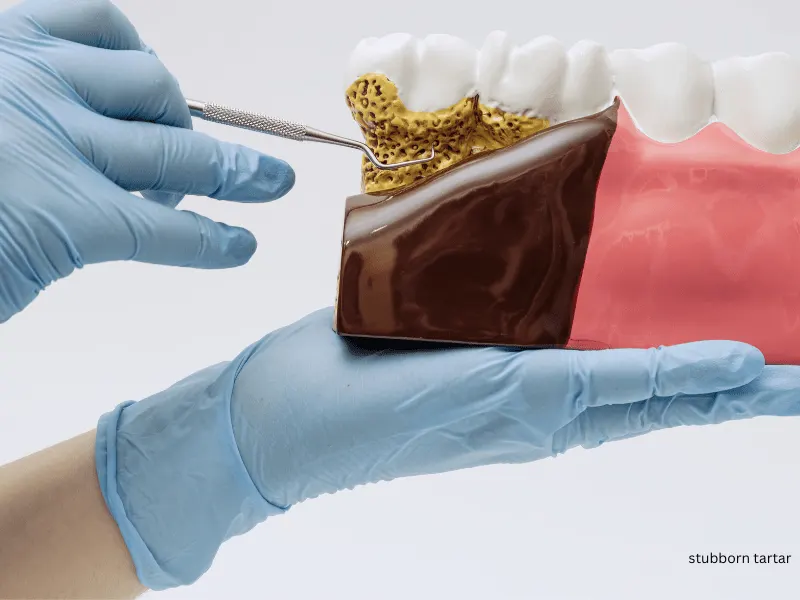
Scaling within the context of dental care is a technical process that focuses on removal of plaque and tartar from the surface and the gumline. Plaque, if left unattended, hardens into tartar, which brushing cannot remove. Dental Scaling stops gum recession, infection, and bone loss.
Key Benefits of Teeth Scaling
These benefits make scaling in dental practice a crucial preventive technique in the practice of dentistry.
Professional scaling has many crucial benefits:
- Helps in the prevention of gum disease and tooth loss
- Eliminates stubborn plaque and tartar buildup
- Enhances gum health and prevents bleeding
- Encourages fresher breath
- Promotes sustained oral hygiene practices
Teeth Scaling and Polishing Explained
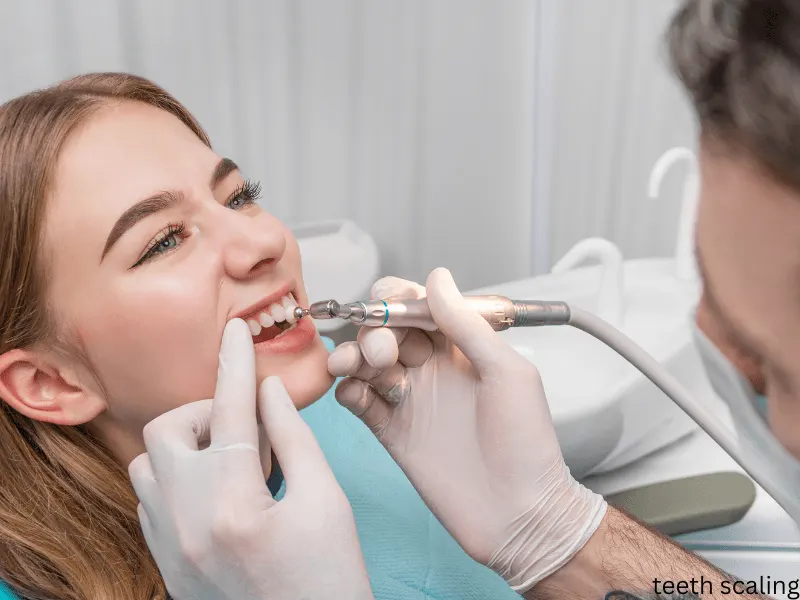
Dentists usually perform dental polishing and scaling together for optimal results. Polishing is another dental technique that smooths tooth surfaces after scaling and removes surface stains, making the oral structures look clean and shiny.
Prophylaxis paste is a type of specially prepared dental paste that is used during prophylaxis to remove stains, smooth enamel, reduce the ability of plaque to stick to it, and ensure improved oral health. These treatments are provided in Dentick Dental Care to know more visit the clinic located in BTM layout and JP Nagar.
Why Dentists Recommend Polishing
Scaling polishing teeth treatment aid:
- Remove surface stains
- Smooth enamel
- Enhance smile appearance
- Reduce future plaque buildup
Preventive Oral Care
Scaling and polish teeth treatments are basic routines in dentistry practices. Scaling and polish treatments help in reducing inflammation and are useful in finding any dental problems in their early stages.
How long is the procedure of teeth scaling?
Scaling of the oral structures usually covers a period of 30 minutes to one hour per session. This activity takes place while the client lies down on a dental chair.
When Is Deep Scaling Needed?
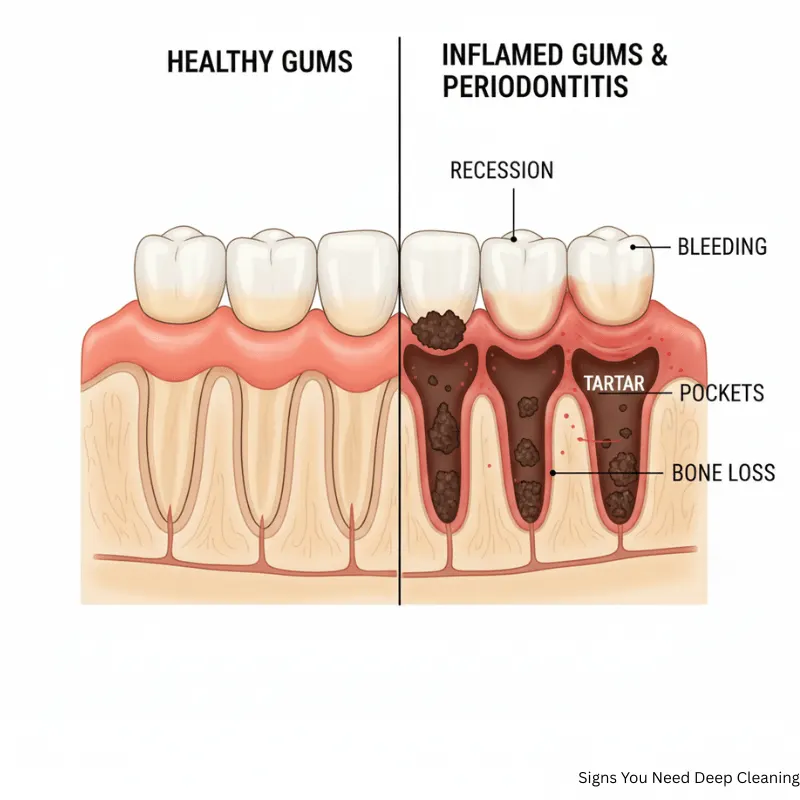
Deep scaling teeth procedures are recommended if tartar builds up below the gumline and there are symptoms of periodontal disease present.
Signs of When You Need Deep Cleaning
- Continuous gum bleeding
- Gummas or shrunken gums
- Halitosis that doesn’t get better
- Loose teeth
Sensitivity after Scaling
Some people may feel some sort of sensitivity after the dental scaling procedure, particularly where there was a heavy buildup of tartar. This should not last long, usually it subsides within a few days with proper care.
Deep Cleaning in Severe Situation
Deep clean scaling teeth treatments: Deep scaling treatments are aimed at deep pockets caused by periodontal disease. Such treatments are vital for those suffering from advanced gum disease.
Managing Tartar Effectively
Regular scaling tartar removal is the most effective way to prevent plaque from hardening and causing long-term damage. Good oral hygiene combined with professional cleaning ensures lasting results.
Long-Term Oral Health Advantages
When tooth scaling, scaling and planing dentition procedures are performed on schedule, they help preserve natural oral structure and maintain healthy gums. Understanding scaling teeth price, treatment types and benefits allows patients to make informed decisions about their oral health.
Whether you choose routine dental polishing and scaling, advanced root cleaning or periodic polishing, professional dental care remains one of the most valuable investments in lifelong oral wellness. The top clinic Dentick Dental Care in BTM Layout will provide an array of services.
FAQs
Is teeth scaling painful?
Scaling of teeth is painless. There could be some discomfort or sensitivity if gum infection is present, though this is temporary.
How long will the process of scaling my teeth take?
Teeth scaling would normally take an average of 30 to 60 minutes, depending on the extent of tartar and the gums.
How often should teeth scaling be performed?
Scaling on the teeth is advised to be carried out every six months. For patients suffering from periodontal disease, scaling should be more frequent.
Is there a difference between scaling and polishing?
Scaling eliminates tartar and plaque, while polishing smoothes the surface of the teeth and removes surface stains in order to prevent future plaque formation.
Is Sensitivity After Scaling Normal?
Yes, mild sensitivity is normal following scaling. And it will go away within a few days when normal oral hygiene practices are maintained.
Can I eat after teeth scaling?
Yes, but it’s recommended that hot, cold, or hard food items be avoided for a few hours after treatment.
Is teeth scaling safe?
Indeed, teeth scaling is quite safe and an important dental procedure when conducted by an experienced dental practitioner.
Teeth Whitening: Everything You Need to Know
Are you worried about how your teeth looks? knowing the causes, treatment and results would help you to decide and to twinkle back your elegant smile. Over time teeth may become stained due to various of reasons likely food habits, smoking, aging or poor dental care. Teeth whitening by dentist is a better and effective option out there! To bring back your confidence and to witness your natural teeth shining. This helpful guide from dentick dental care page will take you through all you should know about professional teeth whitening and provide you the best information
Teeth staining causes:
Tooth discoloration can occur due to multiple factors. A qualified teeth bleaching dentist first evaluating the cause of staining before recommending treatment that would help deciding correct treatment plan.
- Trauma to the tooth results in staining as a result of pulp necrosis or internal resorption.
- Enamel Hypoplasia
- Fluorosis
- Amelogénesis Imperfecta
- Dentinogenesis Imperfecta
- Porphyria
- Staining due to Tetracycline
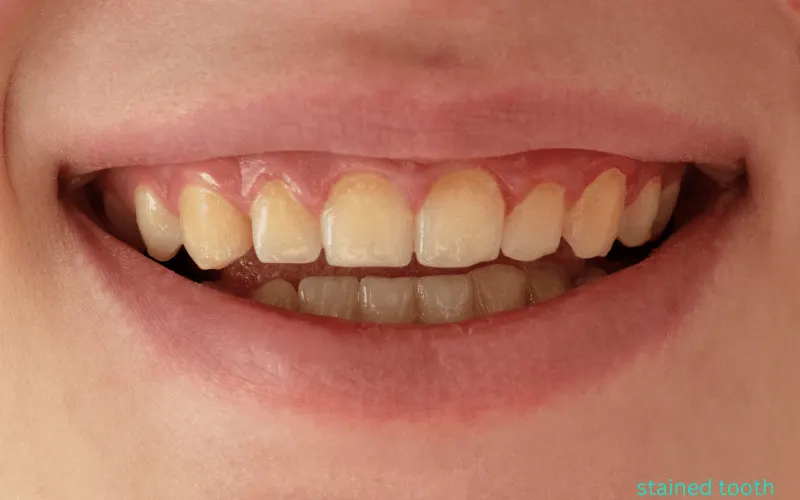
However, aside from the above points, the color of the teeth may also be affected by increasing age and time. The color of the teeth depends on the thickness of the enamel, the enamel thins with the increase of age. The thin layer of enamel creates the appearance of yellowed teeth.The natural color change should not be confused with external staining and often requires professional teeth bleaching for noticeable improvement.
What Is Teeth Whitening Treatment?
Teeth whitening is an aesthetic dentistry treatment intended to remove stains and discoloration from the teeth. Professional teeth whitening, on the other hand makes use of clinically approved whitening agents that works quicker, and result is more noticeable
Most patients look forward to teeth whitening near their location to receive this service reliably. Dentick dental care in Bangalore BTM layout will offer complete testing to find and provide a more appropriate course of action.
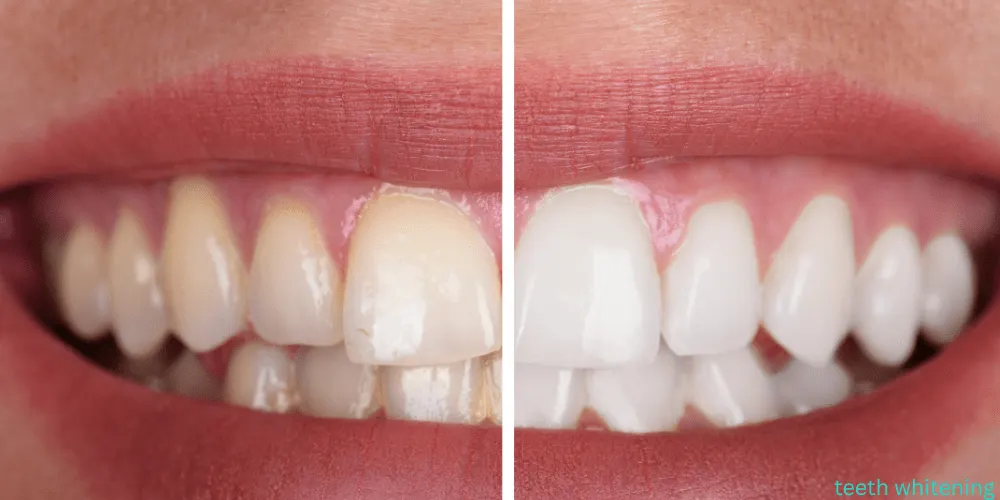
Teeth Whitening Before and After: Results
Among the queries most commonly searched on the internet include “teeth whitening before and after.” Professional whitening can whiten the teeth by a number of shades in one session.
Results vary depending on:
- Type of stains
- Oral hygiene habits
- Lifestyle factors (tea, coffee, smoking)
Clinics offering teeth whitening services often document visible transformations that demonstrate the effectiveness of the treatment.
How Long Does It Last?
The other frequently asked question is that; teeth whitening how long does it last?
Professional teeth whitening results can last anywhere from 6 months to 2 years, depending on your lifestyle likely,
- Diet and habits
- Oral hygiene routine
- Use of maintenance products like whitening toothpaste or mouthwash
Eligible age for the treatment
The process can be done on adults and on those above 16 years of age. Those below this age should consult a dentist since the solution can affect their teeth, which are still developing.
Who Should Avoid the Treatment?
This shows honesty and medical responsibility.
- Pregnant or breastfeeding women
- Patients with untreated cavities
- Severe gum disease
- Children below recommended teeth whitening age

Professional service
Many individuals have resorted to the use of teeth whitening cream or teeth whitening form toothpaste when they need the help of a dentist. This can work for stains but will never deliver the same outcome as when one decides to whiten teeth.
Treatment provided in dentick dental care include: In-office teeth bleaching is carried out by dentists, employing professional whitening agents often activated with special light or laser technology it assures quick, safe, and perceptible results within just one visit. We use the assured Pola in-office whitening system, which has a known track record of providing an attractive bright, and natural-looking smile. Also
Dental veneers provide a permanent cosmetic solution to further advance in making the smile perfect through covering the front surface of your teeth with a thin, bonding porcelains or composite shells, which cover discoloration, gaps, chips, and minor misalignment.
Why Choose Professional Teeth Whitening by a Dentist?
Choosing professional teeth whitening by dentist will include reliable and guaranteed results
- Safety
- Long-lasting results
- Customized treatment
- Advanced technology
PRE, POST-TEETH WHITENING CARE INSTRUCTIONS
Proper pre- and post-operative care is important in the process of optimal and long-lasting success with teeth whitening treatment. Patients are often encouraged to undergo professional dental bleaching to eliminate plaque and surface extrinsic stains in order to enhance the effectiveness of the whitening agent. Patients should avoid smoking and the intake of coffee, tea, red wine, or other beverages causing stains for a few days before the treatment process since these will reduce the efficacy of the whitening treatment.
Immediately after treatment, teeth are more porous and susceptible to staining for a short period. For at least 48 hours, avoid colored or highly pigmented foods (e.g: blueberry, plum) and drinks in order to preserve the whitening results. A whitening toothpaste recommended by your dentist will help maintain brightness and prevent new stains. Good oral hygiene practices, such as regular brushing and flossing, with routine dental check-ups, will further ensure your teeth whitening results remain bright and long-lasting.

Conclusion
Whether you’re considering teeth whitening Bangalore or searching for teeth whitening near you, professional treatment remains the safest and most effective option. Understanding the teeth whitening cost, results, and maintenance can help you achieve a brighter smile with confidence.
If you’re ready to enhance your smile, schedule a tooth whitening appointment the top dental clinic in BTM Layout will provide an array of services. If you are considering teeth whitening, schedule a dental consultation with an orthodontist of dentick dental care today to explore the best treatment option for you.
FAQs
1.Is tooth whitening safe?
The truth, however, is that if the procedure for whitening the teeth is performed by a dentist, the process is safe and any discomfort due to sensitivity is mild.
2. Can teeth whitening damage enamel?
Standard professional whitening will not harm the enamel of the teeth.
3.How many tooth shades can teeth Whitening?
The teeth may become 2-8 shades whiter depending on staining and tooth condition.
4. Is teeth whitening permanent?
Results aren’t permanent, although they may last for 6 months to 2 years if proper care is taken.
5. Can crowns and fillings be whitened?
No, it only affects natural teeth and not dental work.
6. Is teeth whitening painful?
Bleaching is normally painless, though occasionally there may be some temporary sensitivity.
https://dentickdentalcare.in/teeth-whitening/
What is Root Canal Treatment?
Root canal treatment is a safe and highly effective procedure to prevent damaged or infected tooth. The process is to take out the tissue inside the tooth where the tissue can be infected or hurt. The treatment stops more decay and It helps the tooth work again.
Root canal therapy also removes the infection , cleans and disinfects the inside of the tooth,
fills and seals the root and restores the tooth with a crown for long-term protection and better oral health
Root canal therapy
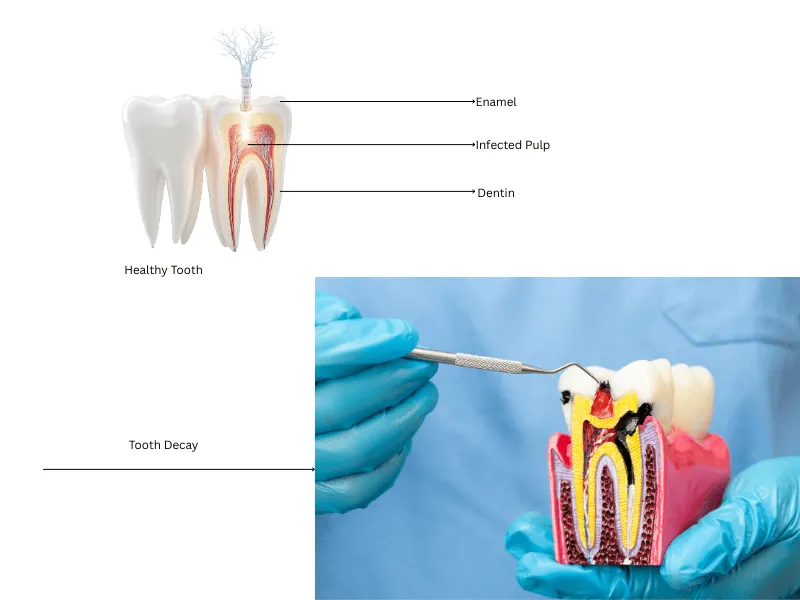
Here are some of the most common reasons someone may require a root canal treatment: likely, a deep cavity that reaches and infects the inside of the tooth, a cracked or chipped tooth which may expose the inner part, having lots of dental care done on one tooth, or an injury to the tooth-even if it doesn’t appear to be damaged. These sorts of problems may involve the nerve of the tooth. And a root canal will then be in order to correct it.
Why You Might Need a Root Canal?
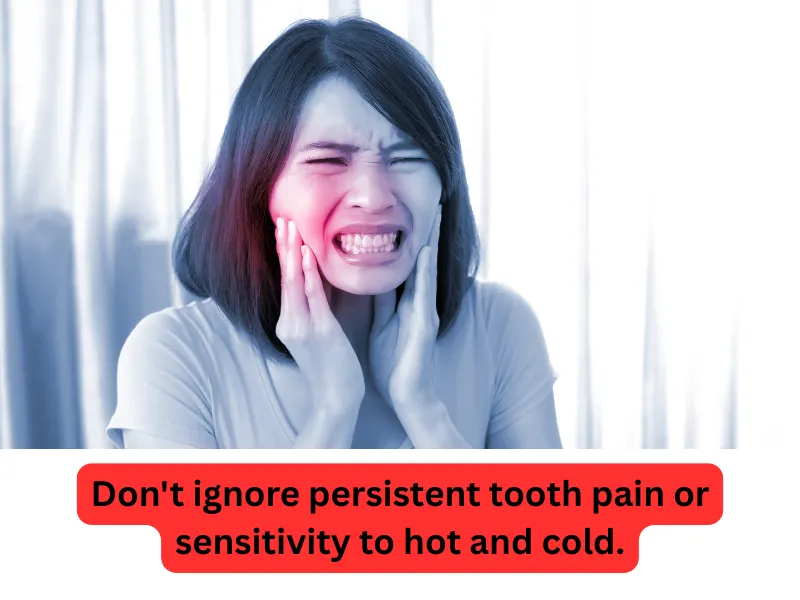
You may need a root canal if the pulp of your tooth is damaged or infected. Common symptoms include:
- Persistent tooth pain
- Sensitivity to hot or cold
- Swelling or tenderness in the gums
- A pimple-like bump on the gums
- Darkening or discoloration of the tooth
In few cases there might be no symptoms and if the issue is discovered on a dental X-ray another reason regular checkups matter.
Why RCT is Worth the Investment
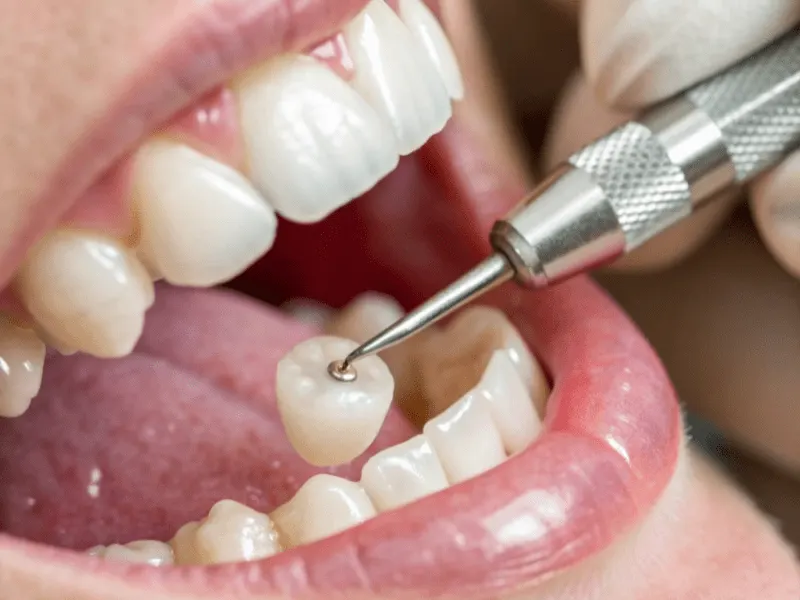
While treatment may seem expensive but it’s a long-term investment in your dental health. A root canal offers several important benefits:
it preserves your natural tooth and helps you avoid extraction, prevents future dental problems that could lead to higher costs, improves your ability to chew and maintain good overall oral health, and removes the infection causing pain and discomfort.
What Happens During the Procedure?
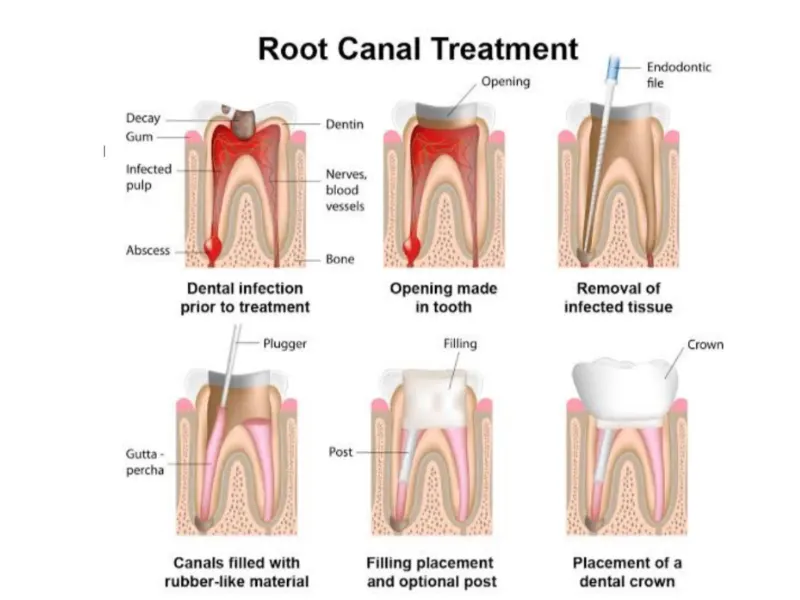
Modern root canals are highly effective and often only require one or two dental visits. This procedure starts with the numbing of the tooth with local anesthesia to keep you comfortable during the treatment. When the area has become numb, your dentist will make a small opening in the tooth for access to the infected or damaged pulp. The pulp is carefully removed, and the root canals are cleaned, shaped. And disinfected to get rid of bacteria and avoid further infection. After cleaning, the canals are filled with a non-toxic, rubber-like material called gutta-percha, which seals the space and keeps it clean. Most teeth need a crown after this treatment to bring back the strength, appearance. And full function that enables you to chew, speak, and smile confidently.
Does a Root Canal Hurt?
You may feel mild soreness afterward, but this usually resolves within a few days. root canal treatment are no more uncomfortable than getting a routine filling. In fact, they often stop the pain caused by the infection.Thanks to modern technology and anesthesia
Benefits of Root Canal Treatment
Choosing a root canal offers many advantages. It saves your natural tooth, restores normal chewing and biting, and helps prevent the spread of infection. It also allows you to avoid more costly treatments like implants or extractions and supports better overall oral health. With a proper crown and good dental care, a tooth that has undergone a root canal can last for many years even a lifetime.
How to Care for Your Tooth After Treatment

- Take any prescribed medications as directed
- Avoid chewing on the treated tooth until the final crown is placed
- Brush and floss regularly
- Schedule your follow-up appointment for crown placement
- Maintain routine dental visits
Proper care ensures long-term success. Visit Dentick Dental care in BTM Layout or J.P Nagar Branch for a Painless RCT Session!
Aligners: Straighten Your Smile and Wear Your Confidence

“Happiness and confidence is the prettiest thing you can wear.”
Modern dental technology will help you to overcome your insecurities, achieve a seamless smile easily, and boost your confidence.
Using aligners for teeth has become common because they provide comfort and flexibility, and straighten your teeth without anyone noticing. For the busy professionals of today, managing career requirements, travel plans. And social calendars doesn’t leave time for traditional orthodontic options like metal braces. But must that deny you your dream smile?
Don’t worry, we got you! This helpful guide from Dentick Dental Care will take you through all you should know about aligners.
What Are Clear Aligners?
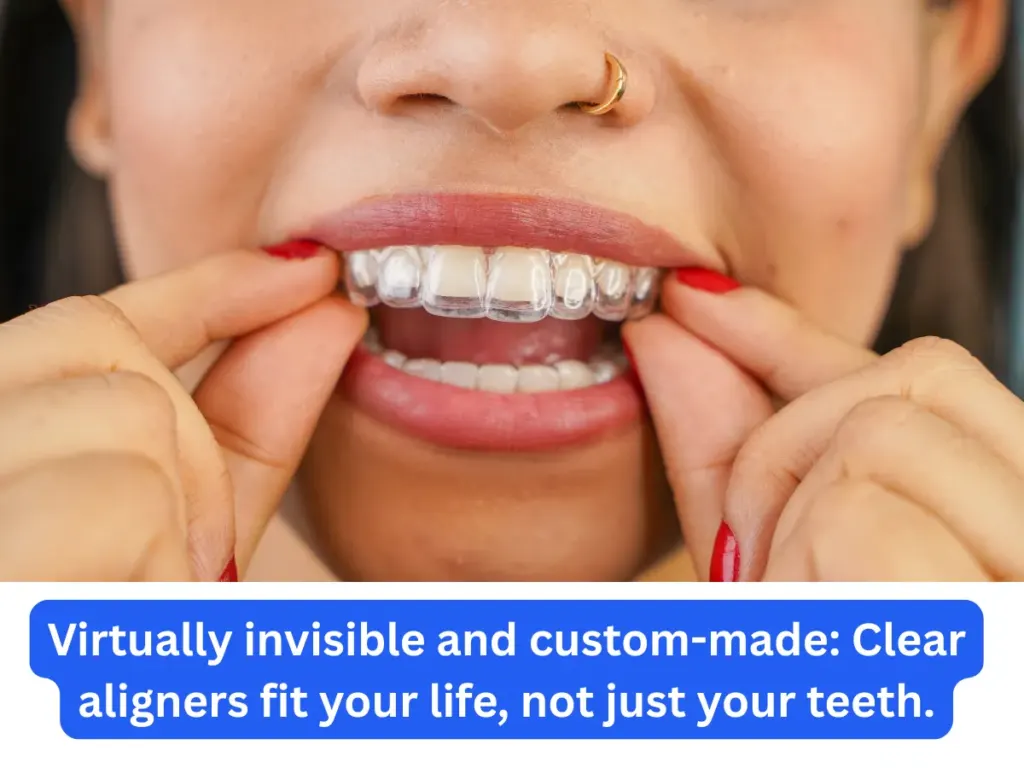
Clear aligners are specially made with transparent plastic shell-like trays that fit over your teeth. Gentle movement into their specific spots will give immense results. Aligners are worn for about two weeks before moving on to the next series of teeth. A dental consultation will help you understand better.
Why Are Aligners Recommended for Working Professionals?

Clear aligners for teeth combine technology, comfort, and aesthetics to revolutionize orthodontic care. They fit seamlessly into your daily routine and offer predictable, long-lasting results.
Clear aligners provide several benefits that make them a popular choice for both teens and adults in orthodontic treatment:
- Aesthetic Appeal: The clear design makes aligners nearly invisible, so you can smile confidently during treatment.
- Comfort and Convenience: Without metal wires or brackets, there is less irritation to your gums and cheeks.
- Removable: You can take them out while eating, brushing, or during special occasions.
- Easy Oral Hygiene: Cleaning your teeth is straightforward; you don’t have to deal with complicated flossing around brackets.
Advantages of Clear Aligners Over Traditional Braces
Clear aligners are nearly invisible on your teeth, which is often a major advantage for people concerned about aesthetics. They give a smooth, comfortable experience, and maintaining the aligners is easy.
The diet restriction is also considered minimal. These are commonly addressed advantages of clear aligners where traditional braces often fall short.
What Do Invisible Aligners Treat?
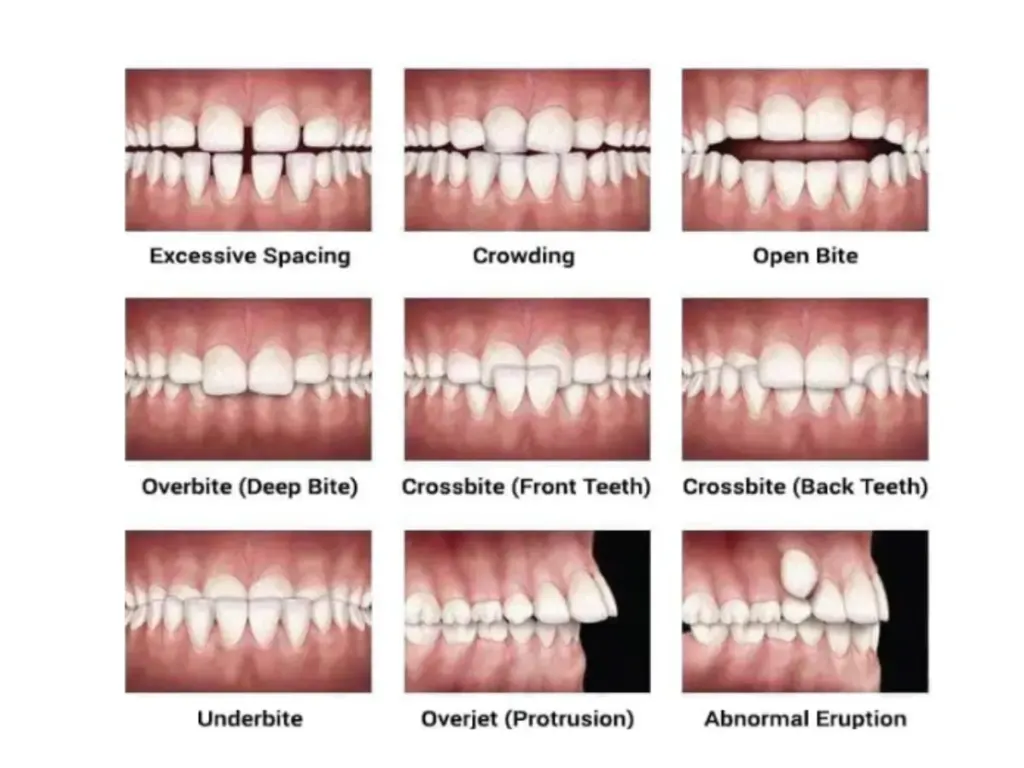
They treat common dental conditions like:
- Gapped teeth
- Cramped or crowded teeth
- Overbite
- Underbite
- Open bite
- Crooked teeth
- Crossbite
Clear aligners may be a treatment option if you want straighter teeth and a less visible option compared to traditional braces. Booking a dental consultation in Dentick Dental Care will take you to a compassionate professional as a first step towards your healthy smile.
How Do Aligners Work?
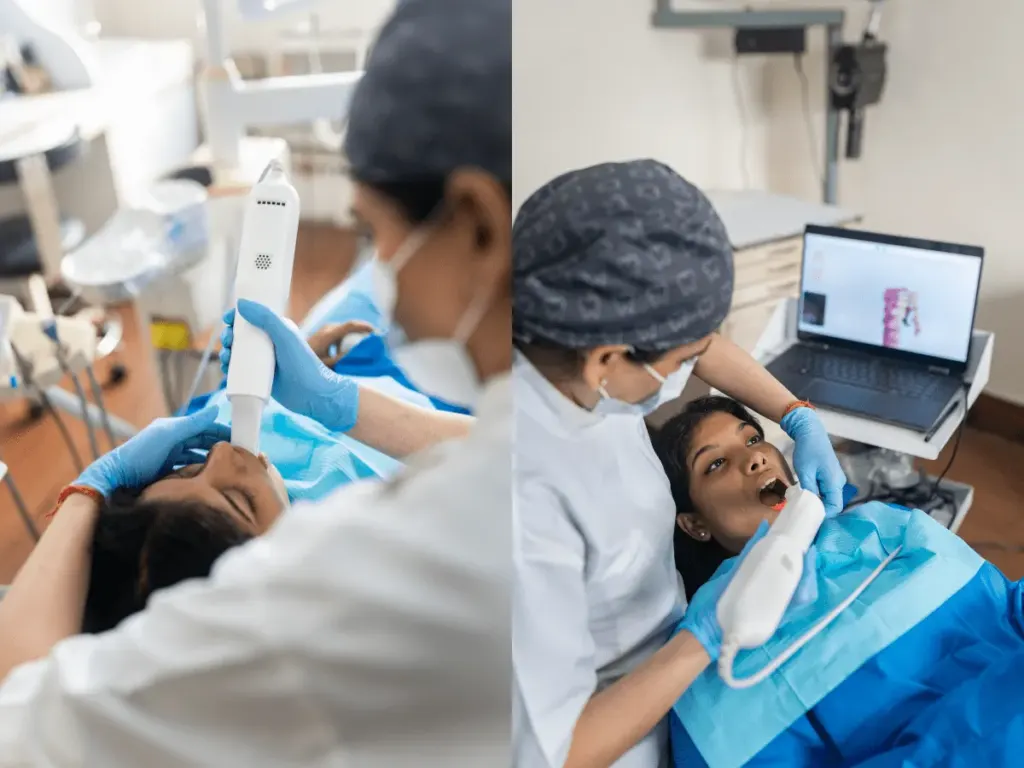
The process starts with visiting a dental hospital, followed by consultation and scanning.
- Scanning: Dentick doctors take 3D scans of your teeth to look through and design your treatment plan.
- Fabrication: Customized aligners are made that fit your teeth perfectly.
- Wearing: The wearing schedule will be instructed by the doctor; the usual set is worn for 20-22 hours a day for about two weeks.
- Check-ups: Regular dental clinic visits are necessary to ensure the progression is visible.
- Retention: This process is followed by a retention phase where retainers help to maintain your bright smile.
Who Isn’t Eligible for Aligners?
Clear aligners are not suitable for all patients. Visiting a dental clinic and consultation will determine the best approach for you based on your unique needs. This can involve aligners, braces, or a combination of treatments.
Aligners can sometimes be used with traditional orthodontic elastics, but some complex cases are more predictably treated with braces. It is an orthodontist who is best positioned to determine if clear aligners or braces are best for you.
Advice for Aligner Users
To get the best results, you must follow the correct care routine.
Recommended
- Wear aligners as recommended (20–22 hours per day).
- Clean them with mild soap and lukewarm water.
- Brush and floss after every meal.
- Store them safely in their case when not in use.
Not Recommended
- Do not eat or drink (except water) while wearing aligners.
- Do not use hot water to clean them (it can warp the plastic).
The Result: A Confident, Healthy Smile
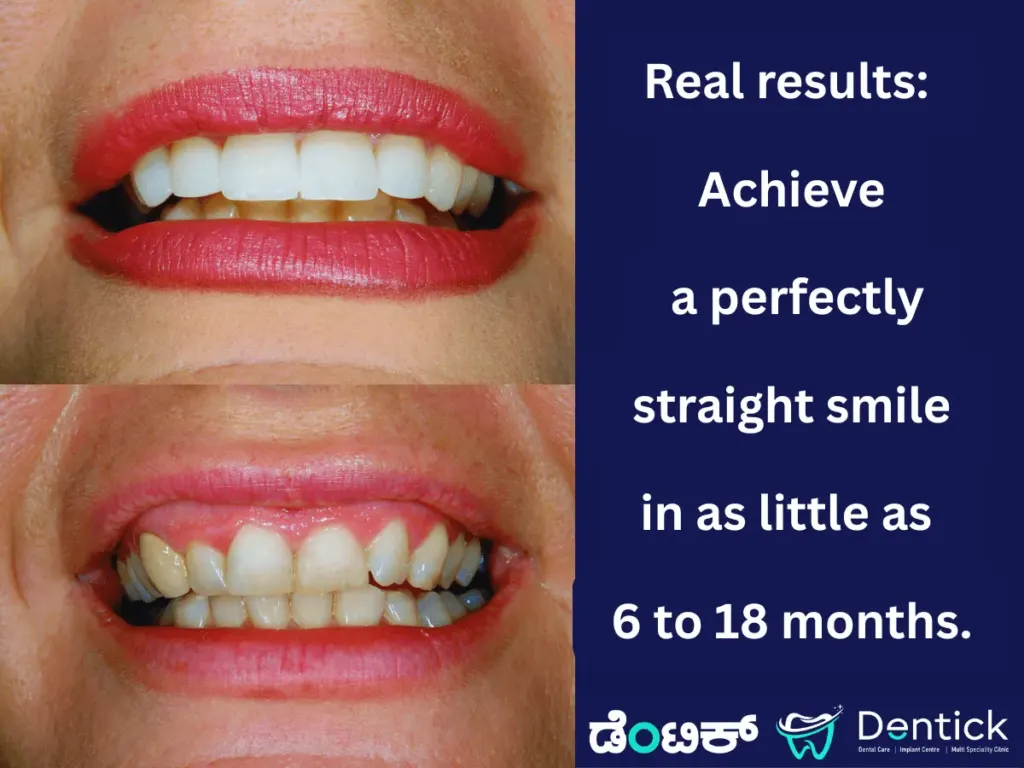
With consistent use and proper care, clear aligners can deliver beautifully straight teeth and a confident smile in as little as 6 to 18 months, depending on your case.
The best part? No one needs to know you’re undergoing treatment.
Dentick Dental Care, a top dental clinic in BTM Layout, provides an array of services. If you are considering aligners, schedule a dental consultation with our orthodontist today to explore the best treatment option for you.
You can call us at 9353845416

BRACES: PATH TO ASSURED AND HEALTHY SMILE
An assured and healthy smile is a sign for good oral health while braces can help improve your self-esteem. Firstly they can improve your appearance. If you’re devastated with your teeth, correcting them with braces can make a huge difference. Whether you’re a teenager or an adult, getting braces can be a life-changing step toward a healthier and more beautiful smile. The dentick dental care page will lead you to the right breakdown.
ARE BRACES IMPORTANT?
Braces don’t just improve the appearance they also improve dental health where the long term issue can be cured, dental consultation with an expert will help you out!
Dental braces straighten your teeth and correct a wide range of orthodontic issues, such as:
- Crooked teeth
- Crowded teeth
- Gapped teeth
- Malocclusion
Usually crooked teeth will lead to plaque buildup, tooth decay, and gum disease which also can cause jaw strain, headaches, and uneven tooth wear. If you are facing these issues, visiting a dental hospital is necessary.
By use of braces it ensures:
- Better oral hygiene
- Proper chewing and speech
- Balanced facial symmetry
- Increased confidence
HOW DO BRACES WORK?
Braces use mild and constant pressure to shift your teeth into their proper positions over time. The exact way this happens depends on the type of braces you choose.
TYPES OF BRACES:
Orthodontics tends to offer a wide range of braces designed considering the needs and lifestyles:
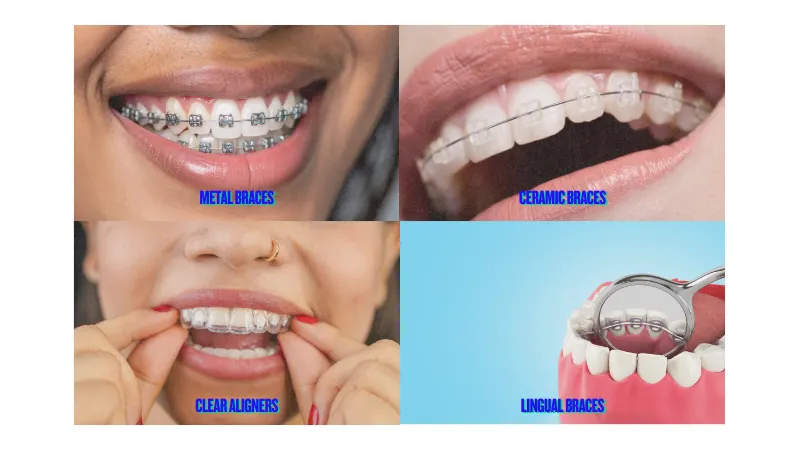
1. Metal Braces
The strongest and most traditional kind, metal braces are long-lasting and best for treating severe alignment problems. Metal braces are visible when you smile. You can choose clear or tooth-colored ligatures to make your braces less noticeable. Or, if you’re feeling festive, you can choose brightly colored ligatures.
2. Ceramic Braces
Ceramic braces are also called clear braces. The tooth-colored braces are less noticeable and popular among teens and adults who prefer an elegant look. They work similarly to metal braces but require a bit more care to prevent staining
3. Lingual Braces
Placed behind the teeth they are completely hidden from the view. They are good for those who need orthodontic correction but need an invisible option.
4. Clear Aligners
An absolute choice for mild to moderate alignment issues. They offer comfort , convenience and flexibility.
THE ORTHODONTIC PROCESS

Your journey to a perfect smile begins with a thorough assessment and customized plan.
When you visit a dental clinic ,the dentist will assess your teeth alignment and provide you with a customized treatment plan based on needs and convenience.Once the braces are applied, visiting a dental clinic for dental consultation regularly for adjustment is a necessary step. Once the procedure is over, braces are removed, followed by a retention phase where prevention of shifting takes place.Our dentick dental care clinic offers complete testing to find and provide a more appropriate course of action.
Do braces hurt?
You’ll likely have discomfort for a few days after you get your braces. Some people experience tenderness after routine tightening, too. But generally, your braces shouldn’t hurt.The tension of the braces gradually drawing the teeth into alignment creates pain and discomfort, which may persist from one day or two days to roughly a week.
Tips for relief
Discomfort or pain should go away within a few days, but in the meantime, a person can try some of these treatments for pain relief with acknowledgement of dental hospital
- Using a warm saltwater rinse comprising 1 teaspoon of salt per 8 ounces of warm water
- Drinking cold beverages or eating cold foods
- Applying a cloth covered ice pack to the face
- Asking a dentist for a soft wax to help prevent braces from cutting the inner cheeks or buying some at a local pharmacy or online
- Avoiding sticky foods, gum, and foods that can catch in or dislodge the braces
- Cleaning the teeth and in between the braces properly to help prevent tooth decay
Braces Care Tips
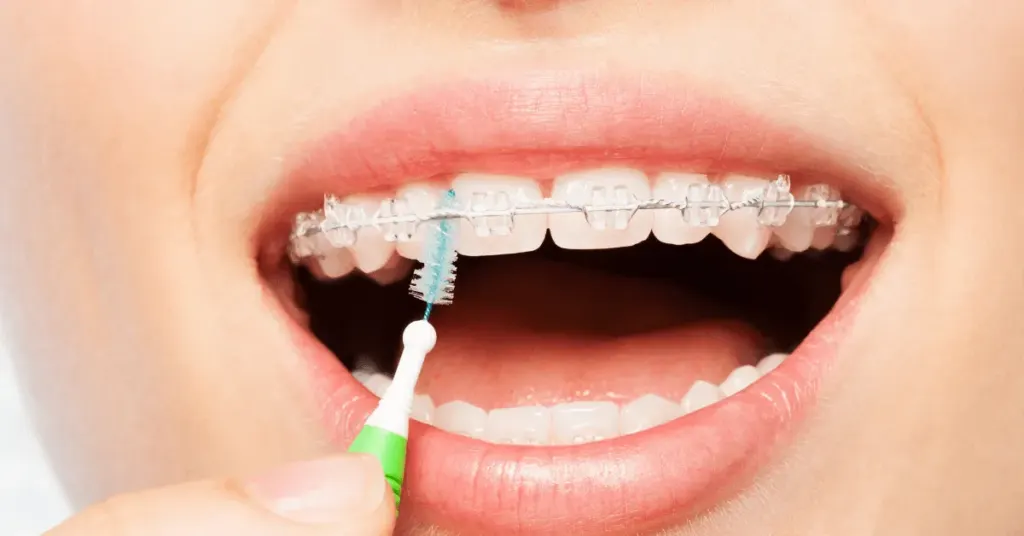
Using special tools like interdental brushes makes keeping your braces clean much easier.
Proper care during treatment is essential for best results. Follow these braces care tips:
- Brush after each meal with a soft-bristled toothbrush or orthodontic brush.
- Clean between brackets with floss threaders or water flossers.
- Avoid hard, sticky, or chewy foods that are harmful to your braces.
- Wear your rubber bands or aligners precisely as instructed by your orthodontist.
- Attend your dental clinic for regular checkups and professional cleaning.
It’s an investment on your health, your confidence, and your happiness. With modern orthodontic treatments, it’s easier and more convenient than ever to have a perfectly perfect smile.
If you’re considering braces, schedule a dental consultation with an orthodontist of dentick dental care today to explore the best treatment option for you.
what are dentures? Types and procedure
Dentures are remarkable oral appliances designed to restore the functionality and appearance of a smile for individuals grappling with tooth loss. This blog delves into the world of dentures, exploring their types and the procedure involved in their fabrication and fitting.
What Are Dentures?
Dentures serve as removable prosthetic devices crafted to replace missing teeth and surrounding tissues. They are custom-made to fit snugly within the mouth, offering support for facial muscles while enabling efficient chewing and speaking.
Types of Dentures
There are many different types of dentures. The option that’s right for you depends on your unique oral health needs.
Full Dentures:
Also known as complete dentures, these are ideal for individuals missing all teeth in either the upper or lower jaw, or both. Resting on the gums, they find support from the palate or lower jawbone ridge, often necessitating adhesive for added stability.
Partial Dentures:
Designed for those with several missing teeth in one or both jaws, partial dentures rely on gums and underlying bone for support. Special clasps hook around existing natural teeth, providing enhanced stability.
Immediate Dentures:
Utilized when tooth extractions precede denture placement, immediate dentures are worn immediately post-extraction, serving either as temporary solutions during healing or as permanent fixtures.
Implant-Retained Dentures:
Differing from traditional dentures, these attach to dental implants for enhanced stability, reducing reliance on jawbone and gum support.
Implant-Supported Dentures:
These non-removable dentures, also known as permanent or hybrid dentures, offer superior stability, albeit requiring thorough daily cleaning, including flossing beneath the denture.
Procedure Details
Denture Consultation:
During this phase, a comprehensive examination of the mouth is conducted, including assessment of the jaws, gums, and remaining teeth. Dental X-rays may be employed to gauge jawbone density, aiding in the selection of appropriate denture options.
Denture Fabrication:
The fabrication process encompasses several steps:
- Dental Impressions: Impressions of the upper and lower jaws, encompassing gums and remaining teeth, are taken to create a stone model of the mouth.
- Dental Model Creation: Utilizing these impressions, a dental technician crafts a customized denture model.
- Denture Customization: Materials like acrylic, nylon, or resin are employed to build up the denture, with artificial teeth placed based on wax registration blocks. Fit and alignment are meticulously checked.
- Polishing: Upon completion, the denture is polished to achieve a natural appearance.
Denture Fitting:
The fitting stage involves placing the newly crafted dentures in the patient’s mouth to evaluate fit and comfort. Adjustments are made as necessary to alleviate any discomfort, with multiple visits often required for optimal fit and gradual adjustment of the mouth’s soft tissues.
Conclusion
Dentures represent a practical solution for those experiencing tooth loss, offering restoration of both function and aesthetics to the smile. Through meticulous consultation, precise fabrication, and attentive fitting, Dentick Dental Care ensures patients receive personalized denture solutions tailored to their unique oral health needs, unlocking radiant smiles and enhanced well-being.
Visit Dentick Dental Care today to discover how we can help you achieve a confident and healthy smile.
Understanding Dental Implant Surgery: A Guide to Replacing Missing Teeth with Confidence
Understanding Dental Implant Surgery
Table of Contents:
- What are Dental Implants?
- Advantages of Dental Implants:
- Common Side Effects of Dental Implant Surgery:
- Should You Get Dental Implants?
- The Dentick Dental Care Difference:
- Ready to Smile Confidently? Contact Dentick Dental Care Today!
What are Dental Implants?
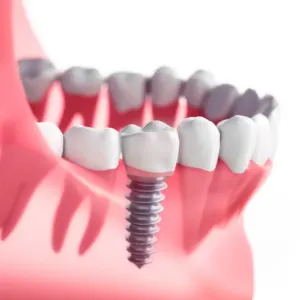
Dental implants are titanium posts surgically placed into your jawbone to act as artificial tooth roots. These implant posts support crowns, bridges, or dentures, providing a stable and natural-looking solution for missing teeth.
Advantages of Dental Implants:
- Improved Aesthetics: Implants resemble natural teeth in appearance and function, boosting your confidence and self-esteem.
- Enhanced Functionality: Implants restore your ability to chew, speak, and smile comfortably and effectively.
- Durability: Unlike dentures, implants are a long-lasting solution that can last for decades with proper care.
- Improved Oral Health: Implants prevent bone loss and stimulate jawbone growth, promoting overall oral health.
- Increased Confidence: With a secure and natural-looking smile, you can participate in everyday activities without worrying about slipping dentures or loose bridges.
Common Side Effects of Dental Implant Surgery:
- Swelling and bruising: These are typically mild and subside within a few days.
- Pain: Your dentist will prescribe medication to manage discomfort.
- Bleeding: Minor bleeding is normal after surgery.
- Infection: This is rare but requires prompt medical attention.
Should You Get Dental Implants?
Dental implants are an excellent option for individuals who:
- Have lost one or more teeth due to decay, injury, or gum disease.
- Desire a permanent and natural-looking replacement for missing teeth.
- Want to improve their chewing, speaking, and overall oral health.
- Are healthy enough to undergo surgery.
The Dentick Dental Care Difference:
At Dentick Dental Care, we understand the life-changing impact of dental implants. We offer:
- Experienced and skilled dentists: Our team is dedicated to providing personalized care and achieving optimal results.
- Advanced technology: We utilize the latest equipment and techniques for precise implant placement and minimal discomfort.
- Affordability: We offer flexible payment options to make your dream smile a reality.
- Compassionate care: We prioritize your comfort and well-being throughout the entire process.
Ready to Smile Confidently? Contact Dentick Dental Care Today!
Don’t let missing teeth hold you back. Schedule a consultation with Dentick Dental Care today to discuss your implant options and experience the difference!

Call us at 9353845416 or visit our website at dentickdentalcare.in to learn more.
Click for Directions
Disclaimer: This blog is intended for informational purposes only and should not be construed as medical advice. Please consult with a qualified dental professional for personalized recommendations regarding your oral health.
Dental Hygiene for Babies and Toddlers
Ensuring proper dental hygiene for babies and toddlers is a crucial aspect of their overall well-being. As parents, it’s essential to understand the significance of Dental HygieneForBabies early oral care to establish a foundation for a lifetime of healthy smiles.
Baby Teeth Development
Babies start developing their first teeth as early as six months, making it imperative to start caring for their oral health from the very beginning. Baby teeth serve crucial functions in chewing, speech development, and maintaining space for permanent teeth.
When to Start Oral Care
The journey of oral care should commence before the first tooth appears. Parents can start by gently cleaning their baby’s gums with a soft cloth. As teeth emerge, using an age-appropriate toothbrush and fluoride-free toothpaste becomes essential.
Choosing the Right Toothbrush and Toothpaste
Selecting the right tools for oral care is vital. Opt for a soft-bristled toothbrush designed for infants and toddlers. Use a smear of fluoride-free toothpaste for children under two and a pea-sized amount for those aged two to five.
Establishing Healthy Oral Care Habits
Creating a routine for oral care helps babies and toddlers associate it with a positive experience. Make it a part of the daily routine, such as after meals or before bedtime, to instill good habits early on.
Nutritional Impact on Dental Health
The connection between nutrition and dental health cannot be overstated. Introduce a balanced diet rich in fruits, vegetables, and dairy, while limiting sugary snacks and beverages. This lays the foundation for strong and healthy teeth.
Dealing with Teething Discomfort
Teething can be uncomfortable for babies. Provide teething rings, clean washcloths, or chilled pacifiers for them to chew on. Consult with a pediatrician for safe teething remedies, ensuring relief without compromising safety.
Regular Dental Check-ups
Early dental check-ups are essential for monitoring oral development and detecting potential issues. Schedule the first dental visit around the age of one or when the first tooth erupts, addressing any concerns with the dentist.
Teaching Good Oral Habits
As toddlers grow, involve them in the brushing process to encourage independence. Use positive reinforcement, such as praise or a small reward, to make oral care enjoyable.
Common Dental Issues in Babies and Toddlers
Be vigilant for signs of common dental issues, including tooth decay and gum problems. Addressing these concerns early can prevent more significant problems in the future.
Importance of Fluoride
Contrary to some misconceptions, fluoride plays a crucial role in preventing tooth decay. However, it’s essential to use age-appropriate fluoride products and consult with a dentist regarding fluoride needs.
Emergency Dental Care for Children
Accidents can happen, and being prepared for dental emergencies is crucial. Have contact information for emergency dental services readily available and know how to handle common dental emergencies.
Choosing Dental-friendly Snacks
Encourage dental-friendly snacks like cheese, yogurt, and crunchy fruits and vegetables. These not only support overall health but also contribute to strong teeth and gums.
Transition to Regular Toothbrushes
Celebrate milestones in Dental HygieneForBabies, such as transitioning from baby toothbrushes to regular ones. This marks an important step in a child’s growing independence and responsibility for their oral health.
FAQs
- When should I start cleaning my baby’s gums?
- It’s advisable to start cleaning your baby’s gums with a soft cloth from the very beginning, even before teeth emerge.
- How often should I take my toddler to the dentist?
- Schedule the first dental visit around the age of one or when the first tooth erupts. And then follow your dentist’s recommendations for regular check-ups.
- Is fluoride safe for young children?
- Yes, fluoride is safe and beneficial for dental health. Use age-appropriate fluoride products and consult with your dentist for guidance.
- What are some signs of teething discomfort?
- Common signs include increased drooling, irritability, and a desire to chew on objects. Provide safe teething remedies to ease discomfort.
- How can I encourage my toddler to brush their teeth independently?
- Make brushing a fun and positive experience, use age-appropriate toothbrushes, and consider using praise or small rewards as encouragement.
Conclusion
prioritizing Dental HygieneForBabies and toddlers sets the stage for a lifetime of healthy smiles. By starting early, choosing the right products, and establishing positive habits, parents play a crucial role in their children’s oral well-being.visit dentick dental care and Schedule the first dental visit around the age of one or when the first tooth erupts, addressing any concerns with the dentist.
Exploring Your Options to Repair a Broken Tooth: A Comprehensive Guide
A broken tooth can be a distressing experience, causing discomfort and concern about both appearance and functionality. Fortunately, modern dentistry offers a range of options to repair a broken tooth and restore your smile. In this comprehensive guide, we’ll delve into the various treatment options available, highlighting their benefits and considerations.
Dental Bonding:
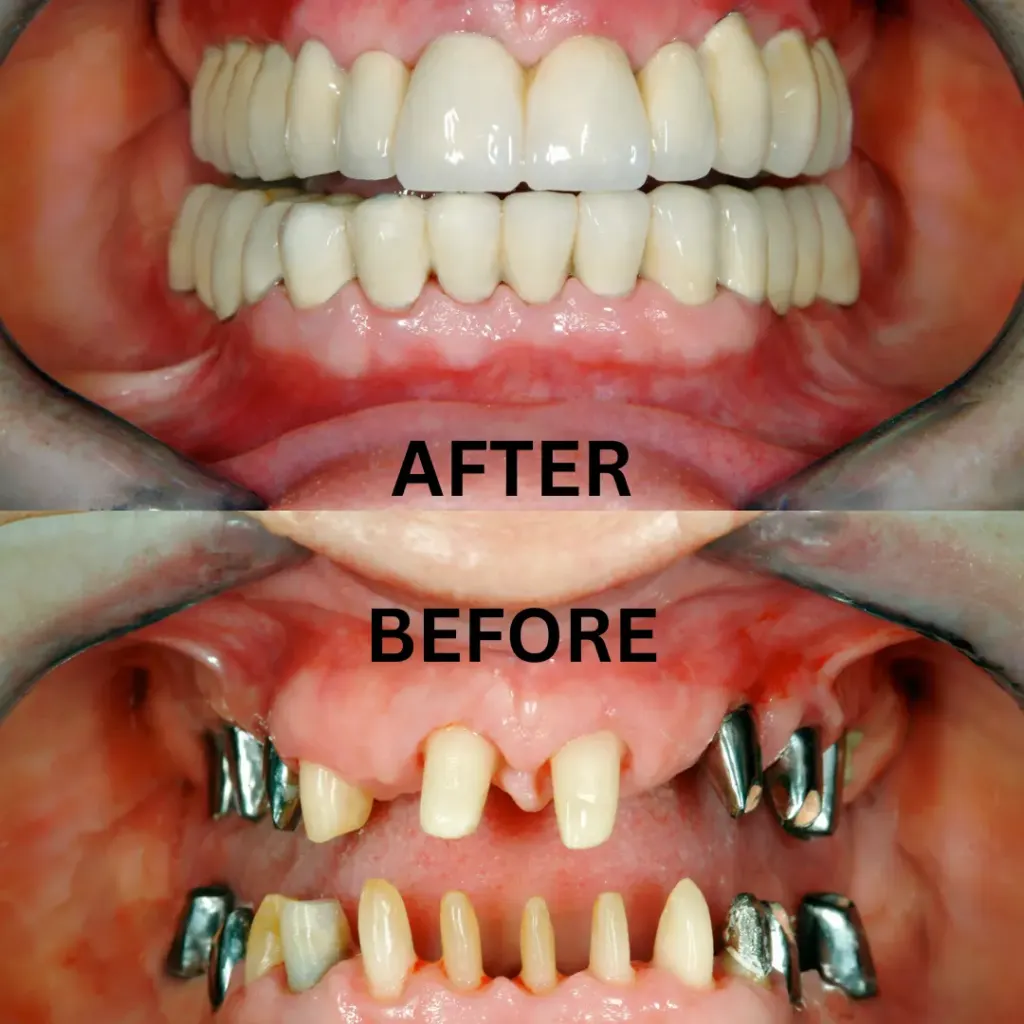
Dental bonding is a popular and cost-effective option for repairing minor tooth fractures. During this process, a skilled application sculpts tooth-colored resin onto the damaged area to replicate the natural tooth. Dental bonding is a swift and painless solution, typically completed in just one visit.
Dental Crowns:
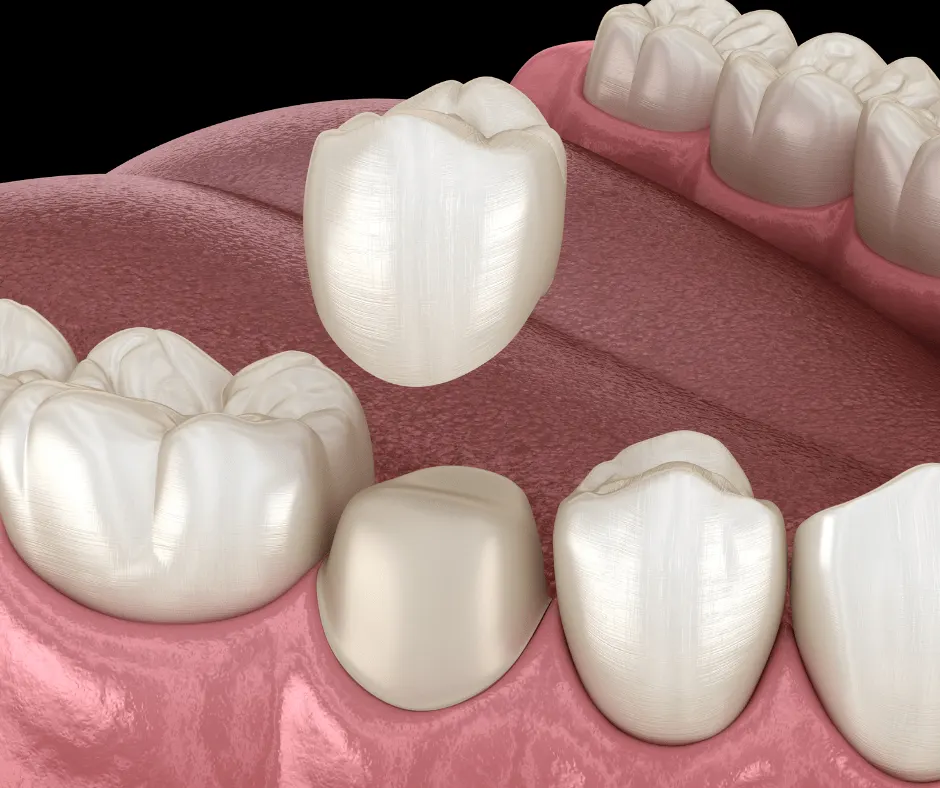
For more significant tooth damage, dental crowns provide a durable and aesthetically pleasing solution. A crown is a custom-made cap that fits over the damaged tooth, restoring its shape, size, strength, and appearance. Crowns can be made from various materials, including porcelain, ceramic, metal, or a combination of these.
Veneers:
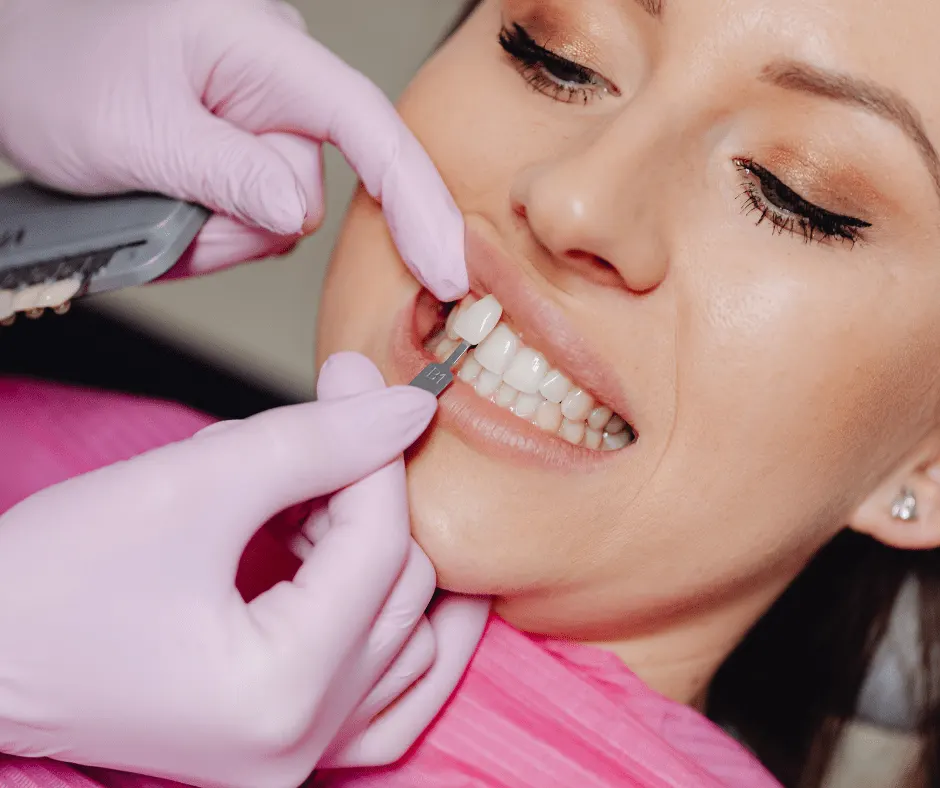
Dental veneers are thin shells of porcelain or composite resin that are custom-made to cover the front surface of a tooth. They are an excellent option for repairing chipped or broken teeth and can also address issues like discoloration and minor misalignments. Veneers offer a natural-looking and long-lasting solution.
Root Canal Therapy:
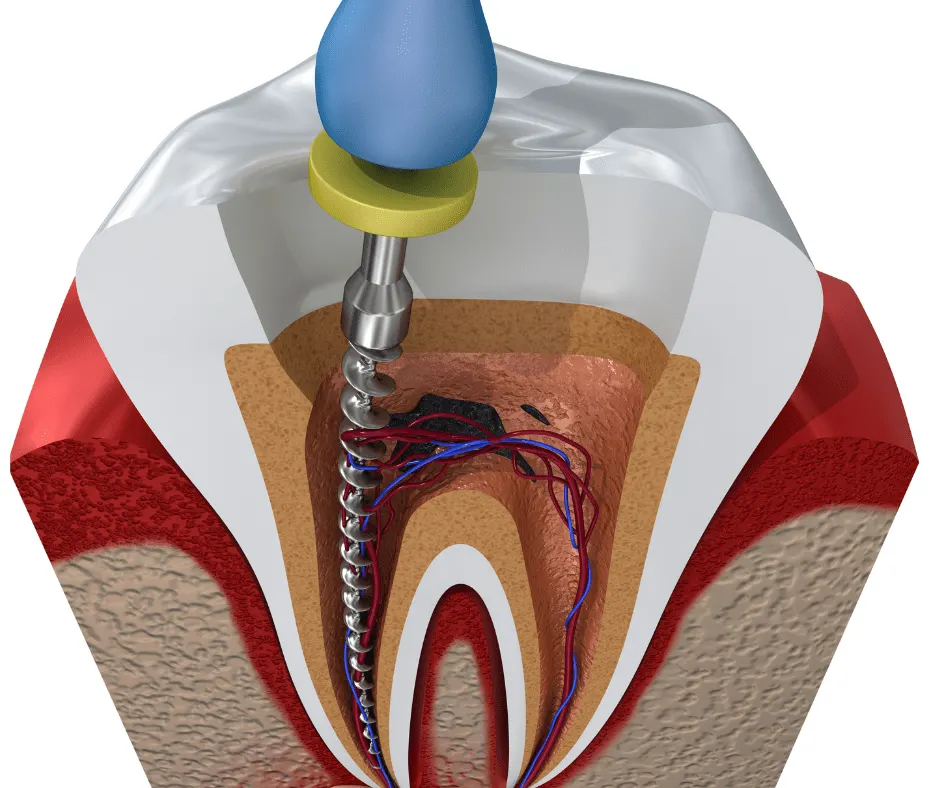
When a broken tooth extends to the pulp (the innermost part of the tooth containing nerves and blood vessels), a root canal may be necessary. Root canal therapy involves removing the damaged pulp, cleaning the canal, and sealing it to prevent further infection. Afterward, a crown is typically placed to protect and restore the tooth.
Dental Implants:
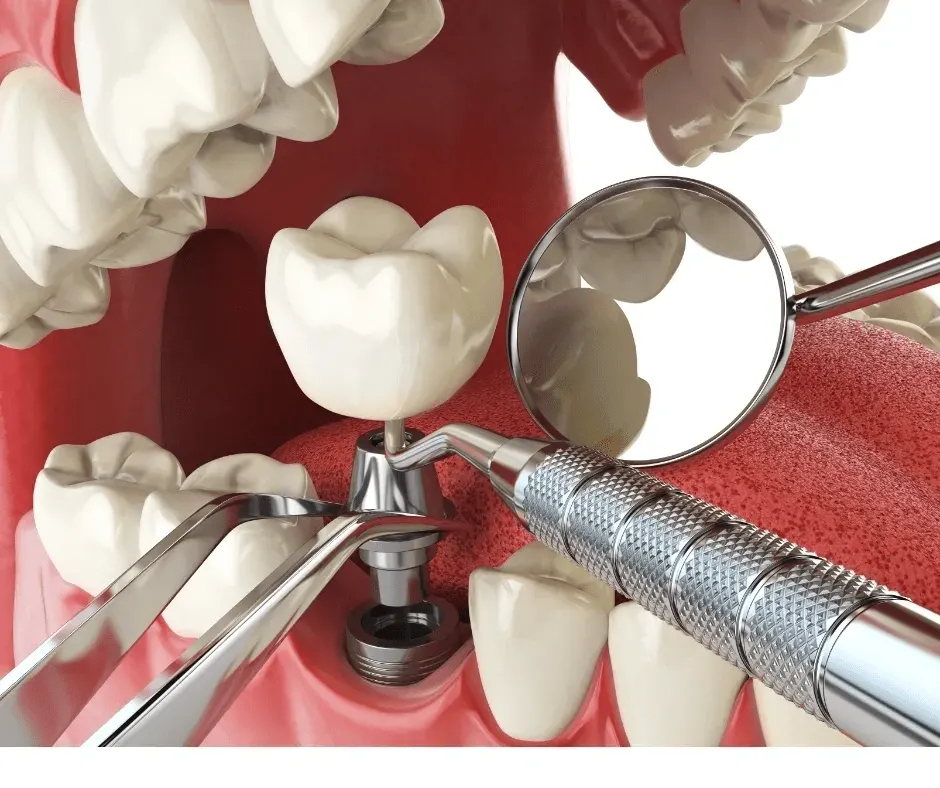
In cases where a tooth is severely damaged or cannot be saved, dental implants may be recommended. This involves the surgical placement of a titanium implant into the jawbone, which serves as a foundation for a crown. Dental implants provide a durable and permanent solution for replacing a missing or broken tooth.
Dental Fillings:
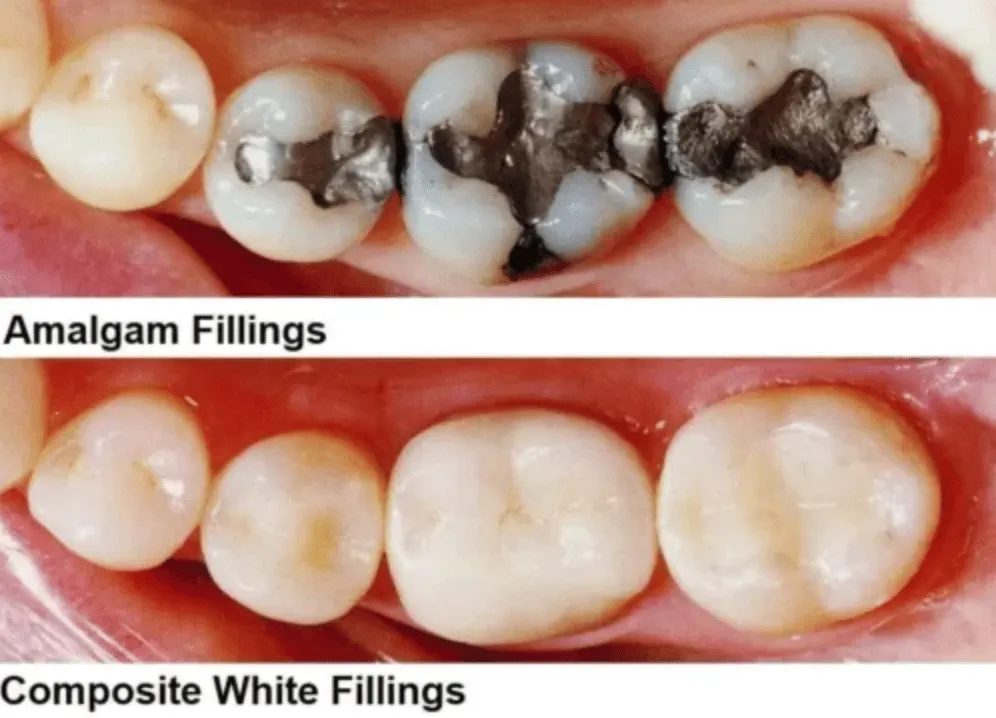
For small to moderate fractures or cavities, dental fillings can be used to restore the tooth’s shape and function. Tooth-colored composite fillings are a popular choice as they blend seamlessly with natural teeth, providing both strength and aesthetics.
Orthodontic Treatment:
In cases where a broken tooth is a result of misalignment or bite issues, orthodontic treatment may be recommended. Braces or clear aligners can help correct the alignment, reducing the risk of further damage to the teeth.
Conclusion:
In conclusion, for optimal oral health,Broken Tooth Repair and a confident smile, timely professional care is crucial. Dentick Dental Care offers personalized solutions, advanced treatments, and a commitment to your well-being. Schedule a consultation today to benefit from our experienced team and cutting-edge facilities. Early intervention is key, and Dentick Dental Care is here to restore your smile with excellence in dental care.
How to Straighten Teeth Naturally
Teeth alignment is not just about aesthetics; it plays a crucial role in our overall health and well-being. While traditional orthodontic methods like braces have been the go-to solution, there is a growing interest in natural alternatives. In this blog, we’ll explore the world of natural teeth straightening methods, delving into techniques that are not only effective but also promote holistic oral health.
Straighten Teeth:
Having straight teeth is more than just a cosmetic preference; it contributes significantly to proper oral function and overall health. With an increasing focus on natural and holistic approaches, many individuals are seeking ways to straighten their teeth without relying on traditional braces or aligners. In this article, we will unravel the secrets of how to straighten teeth naturally, exploring methods that are both effective and aligned with overall well-being.
Understanding Teeth Misalignment:
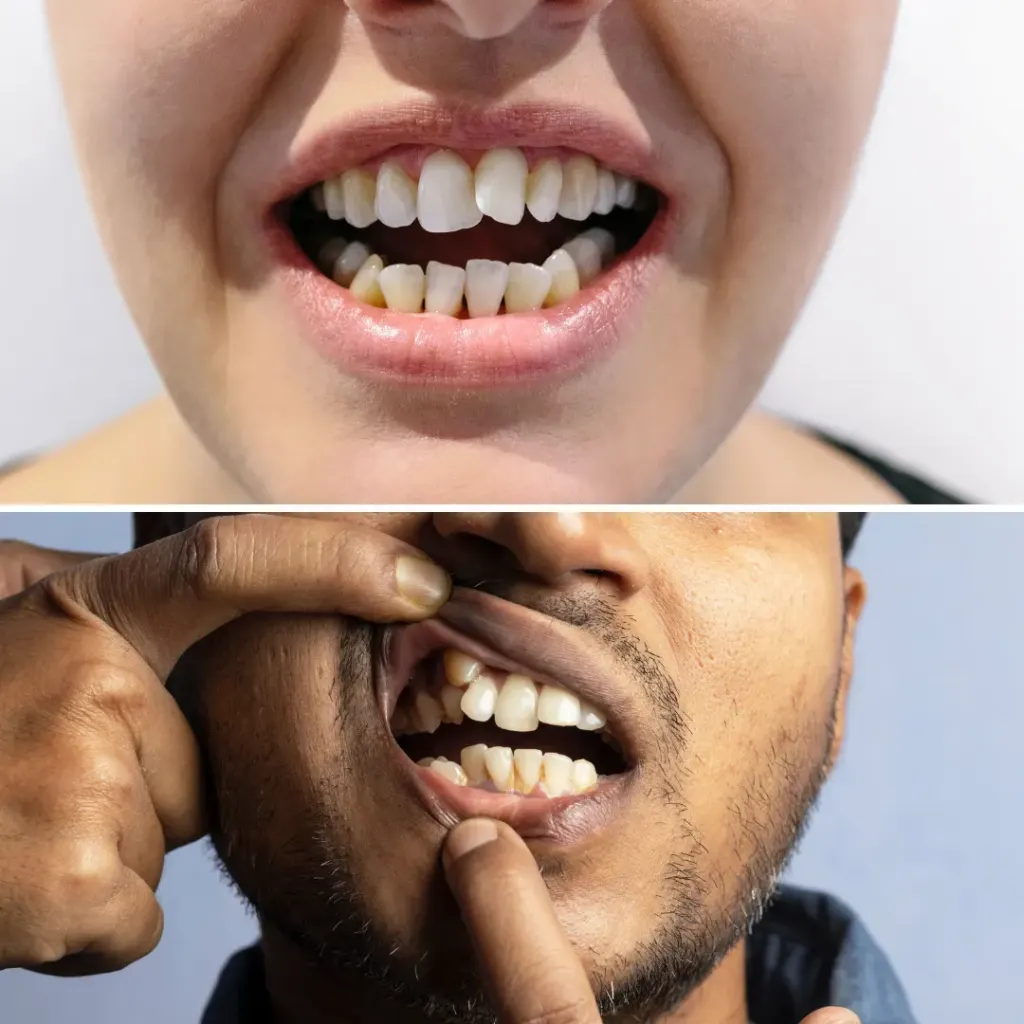
In 1998, the FDA approved the first clear aligner orthodontic treatment. Before delving into natural remedies, it’s essential to understand common dental issues leading to misalignment. Conditions such as overcrowding, crooked teeth, and bite irregularities can impact oral health and, consequently, overall well-being. Recognizing these issues is the first step towards seeking suitable solutions.
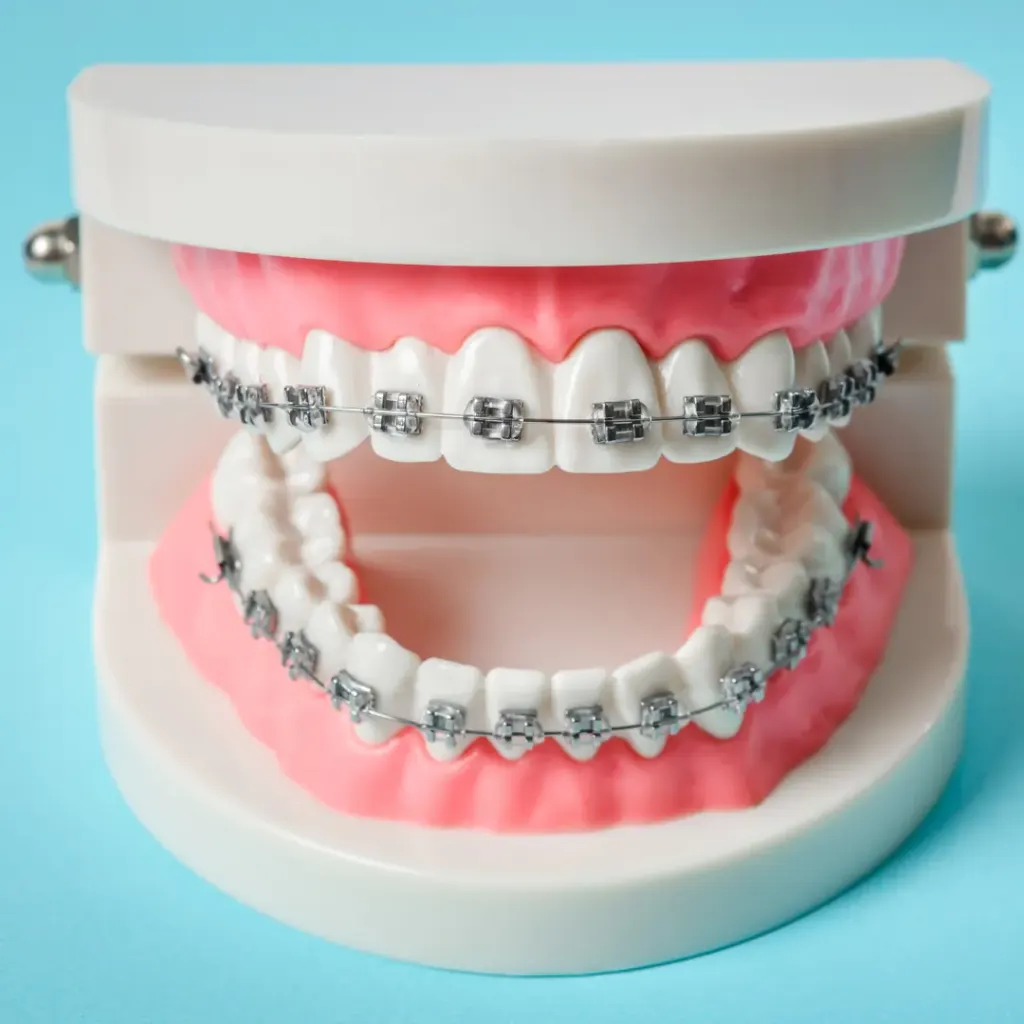
The Traditional Approach: Braces:
While traditional braces remain a reliable method for straightening teeth, they come with their set of pros and cons. The commitment of time, potential discomfort, and the visible nature of braces lead many to explore alternative options. Natural methods offer a different path, often viewed as less invasive and more in harmony with the body’s natural processes.
Natural Remedies for Teeth Straightening:
Oil Pulling for Oral Health:
An ancient Ayurvedic practice gaining popularity, oil pulling involves swishing oil in the mouth to remove bacteria and promote oral hygiene. Beyond its known benefits, oil pulling is also recognized for contributing to teeth alignment, making it a simple yet effective natural remedy.
Chewing Exercises for Jaw Strength:
The strength of the jaw plays a crucial role in maintaining proper teeth alignment. Simple chewing exercises, such as gum chewing and jaw workouts, can enhance jaw strength, indirectly supporting the alignment of teeth.
Dietary Changes for Better Alignment:
Nutrition plays a pivotal role in overall health, and this includes the health of our teeth. Foods rich in essential nutrients like calcium and phosphorus contribute to strong and properly aligned teeth. Exploring a diet that supports dental health is a key aspect of natural teeth straightening.
Herbal Remedies and Supplements:
Certain herbs and supplements are believed to promote dental health. While caution is advised, incorporating these natural elements into one’s routine, under professional guidance, can contribute to the natural straightening of teeth.
Maintaining Good Oral Hygiene:
The connection between oral hygiene and teeth alignment cannot be overstated. Regular brushing, flossing, and dental check-ups are fundamental practices that support not only oral health but also the maintenance of well-aligned teeth.
Natural Aligners and Mouth Exercises:
Innovative natural aligners are emerging as an alternative to traditional orthodontic devices. Coupled with specific mouth exercises, these aligners aim to gradually and naturally shift teeth into their proper position.
Lifestyle Habits Affecting Teeth Alignment:
Certain lifestyle habits, such as thumb-sucking and tongue thrusting, can influence the positioning of teeth. Understanding and addressing these habits is crucial for those seeking natural teeth straightening.
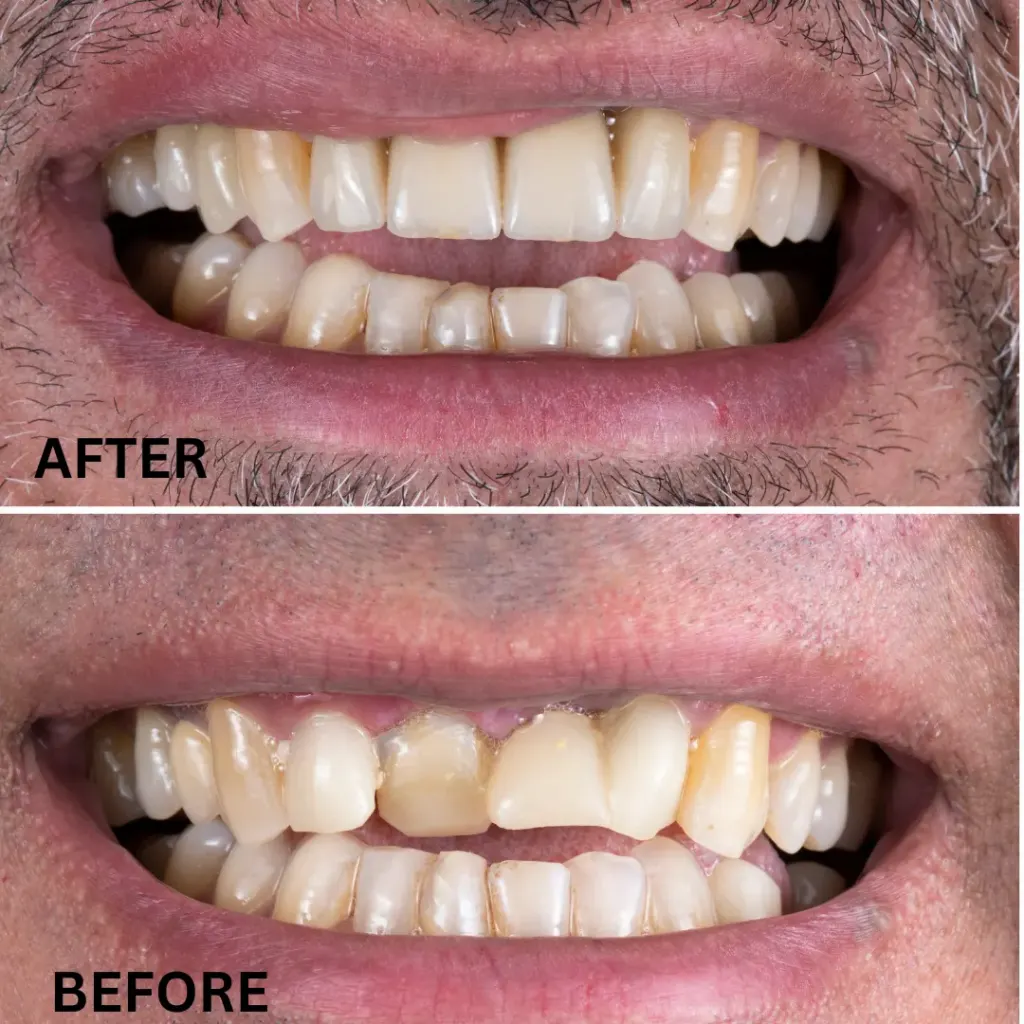
Case Studies: Successful Natural Straightening:
Real-life examples offer insights into the effectiveness of natural teeth straightening methods. Stories of individuals achieving noticeable results through natural approaches provide inspiration and motivation for those on a similar journey.
Consulting with Professionals:
While exploring natural methods, it’s vital to consult with dental professionals. Dentists and orthodontists can provide valuable guidance, ensuring that natural approaches are integrated safely and effectively.
Patience and Consistency in the Process:
Natural teeth straightening requires patience and consistent effort. Setting realistic expectations and understanding that the process may take time is key to embracing and sustaining a natural approach to dental alignment.
Conclusion:
while the pursuit of natural teeth straightening is commendable, the guidance of dental professionals is invaluable. For personalized care and expert advice on your journey to a straighter, healthier smile, consider visiting Dentick Dental Care. Your path to well-aligned teeth begins with a supportive team dedicated to your oral health. Embrace the natural journey with confidence and expert guidance at Dentick Dental Care.
Frequently Asked Questions:
- Are natural methods as effective as traditional braces for teeth straightening?
- Natural methods can be effective for mild to moderate misalignment, but severe cases may require traditional orthodontic intervention.
- How long does it take to see results with natural teeth straightening methods?
- Results vary based on individual cases, but it’s essential to be patient and consistent with the chosen natural methods.
- Can I use natural aligners without consulting a dentist?
- While some natural aligners are available over the counter, it’s advisable to consult with a dentist to ensure they are suitable for your specific case.
- Are there any risks associated with natural teeth straightening methods?
- When done under professional guidance, the risks are minimal. However, it’s crucial
How to Get Perfect Teeth Like Celebrities
Perfect teeth are not just a status symbol for celebrities; they are a key component of a confident and radiant smile. In this blog, we will explore the secrets to achieving a dazzling set of teeth that rivals those of your favorite stars. Let’s delve into the world of dental care, cosmetic procedures. And healthy habits to unveil the roadmap to Perfect Teeth Tips.
Importance of a Beautiful Smile
A smile is a universal language that communicates warmth and positivity. A beautiful smile is often associated with confidence and attractiveness. Celebrities understand the power of a captivating smile, and it goes beyond the red carpet—it’s a tool for success in various aspects of life.
Celebrities and Their Perfect Teeth
From Hollywood to the music industry, celebrities invest time and resources to maintain flawless smiles. Their secret lies in a combination of professional dental care, cosmetic procedures, and disciplined oral hygiene routines. Fortunately, these practices are accessible to everyone who aspires to showcase a stunning set of teeth.
Understanding Dental Health
A. Basics of Oral Hygiene
Achieving perfect teeth begins with the fundamentals of oral hygiene. Regular brushing, flossing, and tongue cleaning are the building blocks of a healthy mouth. Understanding the importance of these practices lays the groundwork for a radiant smile.
B. Common Dental Issues
Before diving into the pursuit of perfect teeth, it’s essential to be aware of common dental issues. From cavities to gum disease, addressing these concerns is crucial for maintaining oral health and achieving a beautiful smile.
Dental Care Routine
A. Daily Habits for Healthy Teeth
Incorporating daily habits into your routine is a key step in the journey to perfect teeth. From choosing the right toothpaste to mastering the art of flossing, small actions can lead to significant improvements in your dental health.
B. Importance of Regular Dental Check-ups
Regular dental check-ups are the cornerstone of preventive care. Professional cleanings and examinations not only address existing issues but also help in early detection and intervention, ensuring your teeth remain in optimal condition.
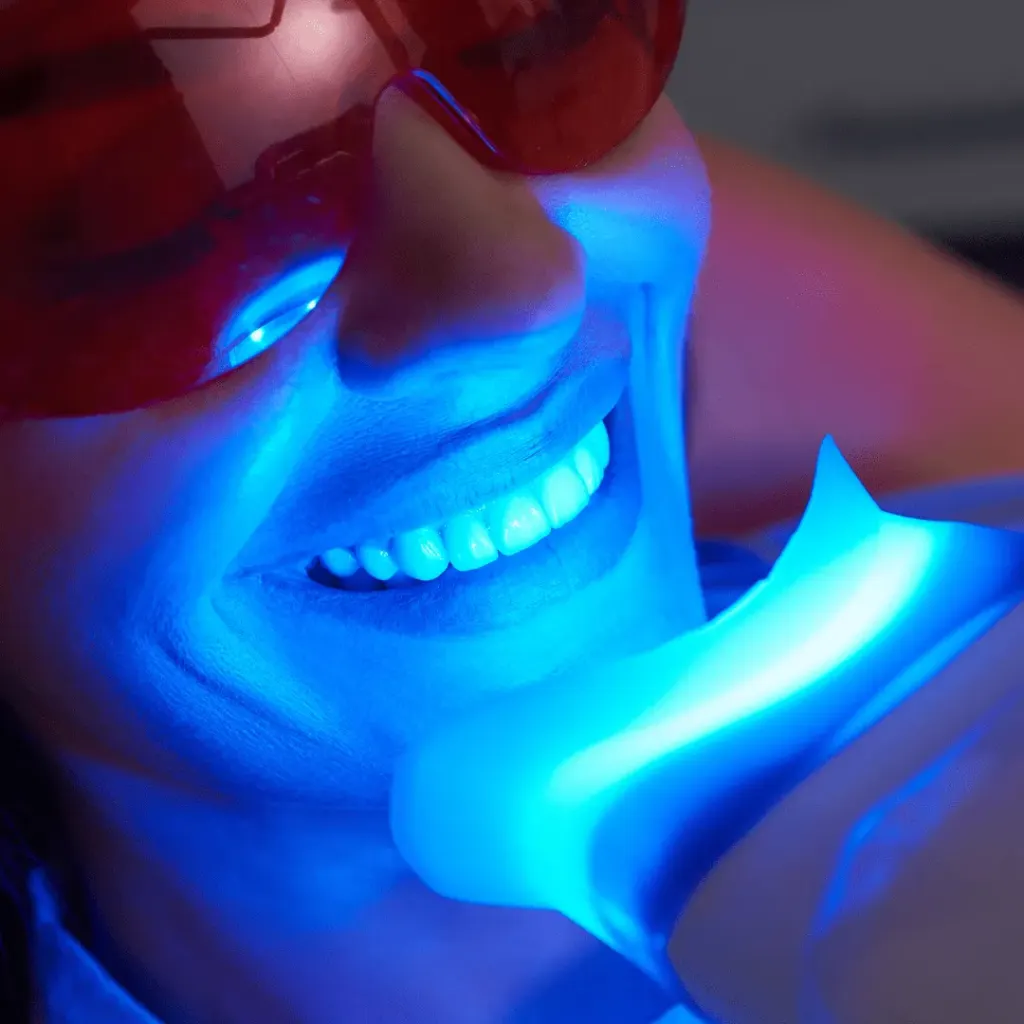
Professional Teeth Whitening
A. Options Available
The quest for perfect teeth often includes achieving a radiant, white smile. Professional teeth whitening offers various options, from in-office treatments to at-home kits. Understanding these options allows individuals to make informed choices based on their preferences and needs.
B. Benefits and Considerations
While teeth whitening can enhance your smile, it’s essential to weigh the benefits against potential considerations. Sensitivity and long-term effects are factors to consider when embarking on a teeth-whitening journey.
Orthodontic Treatments
A. Straightening Options
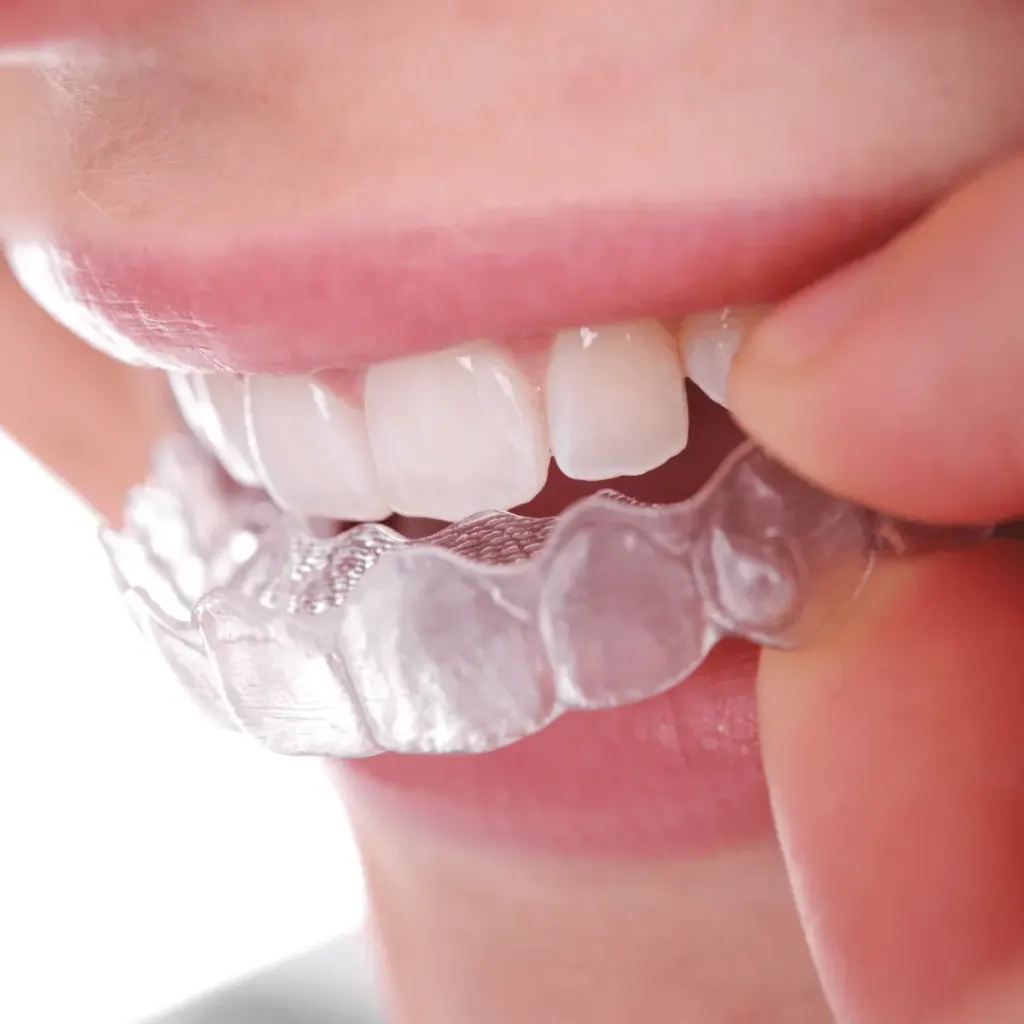
Orthodontic treatments play a pivotal role in achieving perfectly aligned teeth. Explore the different options available, from traditional braces to modern aligners. And choose the method that suits your lifestyle and objectives.
B. Aligners vs Traditional Braces
The debate between aligners and traditional braces is common among those seeking orthodontic treatment. Weighing the pros and cons of each option will guide you in making the right decision for your journey to perfect teeth.
Cosmetic Dentistry
A. Veneers and Their Advantages
Celebrities often turn to veneers to achieve a flawless smile. Understand the benefits of veneers, the application process, and whether they align with your goals for perfect teeth.
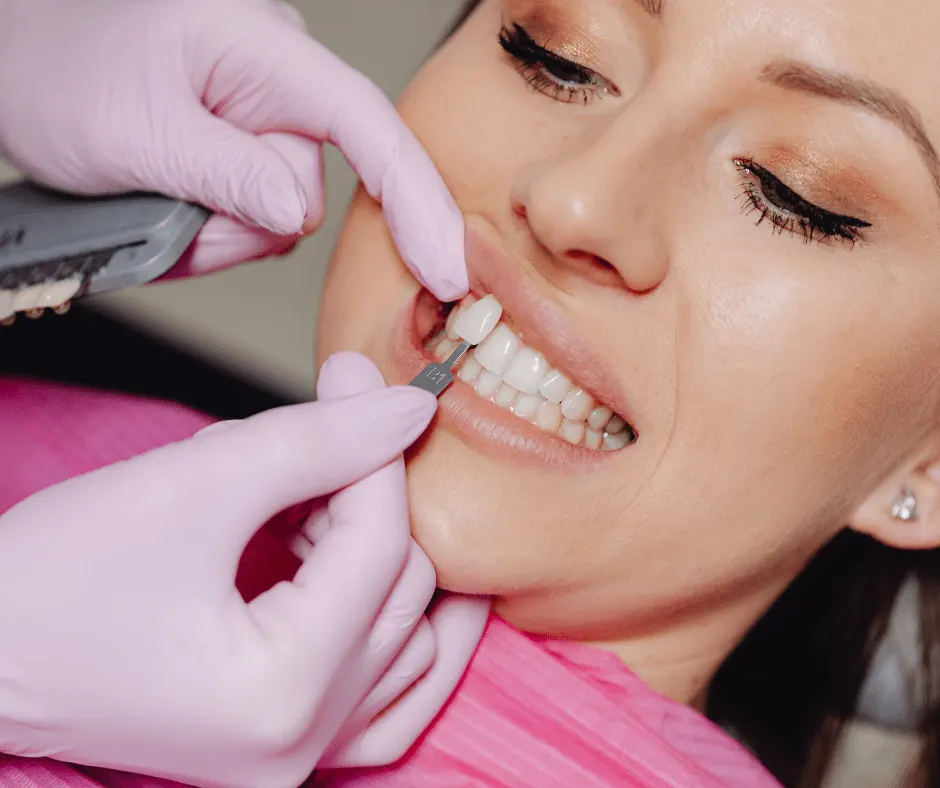
B. Other Cosmetic Procedures
Beyond veneers, explore additional cosmetic dentistry procedures that can enhance the aesthetics of your smile. From gum contouring to tooth reshaping, these options offer tailored solutions for different dental concerns.
Healthy Diet for Perfect Teeth
A. Foods that Promote Dental Health
Nutrition plays a vital role in maintaining dental health. Discover the foods that contribute to strong teeth and gums, providing the necessary nutrients for optimal oral hygiene.
B. Foods to Avoid
Equally important is identifying foods that pose a threat to dental health. By understanding what to avoid, you can protect your teeth from decay and other issues that compromise the perfection of your smile.
Habits That Harm Teeth
A. Impact of Smoking and Excessive Caffeine
Unhealthy habits can detract from the pursuit of perfect teeth. Explore the impact of smoking and excessive caffeine consumption on dental health and learn how to mitigate their effects.
B. The Danger of Nail-Biting and Teeth Grinding
Habits like nail-biting and teeth grinding can be detrimental to the structure of your teeth. Discover strategies to break these habits and protect your teeth from unnecessary wear and tear.
Maintaining Oral Health While Aging
A. Dental Care for Different Age Groups
As we age, our dental needs evolve. Tailoring your dental care routine to your age group ensures that you address specific concerns and maintain perfect teeth throughout different stages of life.
B. Addressing Age-Related Dental Concerns
Understanding and proactively addressing age-related dental concerns is crucial. From gum recession to tooth sensitivity, adopting the right measures ensures that your smile remains vibrant and healthy.
conclusion
Perfect Teeth Tips are not a one-size-fits-all endeavor. It’s a personalized journey that requires commitment, consistency, and informed choices. Embrace the diversity of options available, tailor them to your unique needs. And witness the transformation of your smile into one that rivals the radiance of your favorite celebrities.
Your perfect smile awaits at Dentick Dental Care. Schedule your appointment today, and let their expertise guide you on the path to dental wellness and the perfect teeth you’ve always desired.
Peri-Implantitis: What are the Causes, Symptoms, and Treatments?
Peri-implantitis is a term that has become increasingly familiar in the realm of dental health. As dental implants gain popularity as a reliable solution for missing teeth, understanding the peri-implantitis causes, symptoms. And treatments becomes paramount for both patients and practitioners.
Understanding Peri-Implantitis
In essence, peri-implantitis refers to the inflammatory condition affecting the tissues around dental implants. This condition, if left untreated, can lead to severe complications, including implant failure and bone loss. The impact on oral health cannot be overstated.
Causes of Peri-Implantitis
- Poor Oral Hygiene Practices:Maintaining proper oral hygiene is crucial for the longevity of dental implants. Neglecting regular brushing and flossing can create an environment conducive to bacterial growth, increasing the risk of peri-implantitis.
- Smoking and Its Connection:Research indicates a strong correlation between smoking and peri-implantitis. The chemicals in tobacco can compromise the healing process after implant surgery, making individuals who smoke more susceptible to this condition.
- Genetic Factors:Some individuals may have a genetic predisposition to peri-implantitis. Understanding one’s family medical history can provide valuable insights into potential risks.
Recognizing Symptoms
- Gingival InflammationThe first noticeable sign is often redness and swelling around the gums near the implant site.
- Peri-Implant Pocket FormationAs the condition progresses, pockets may form around the implant, harboring harmful bacteria.
- Bone Loss Around ImplantsX-rays may reveal a reduction in bone density around the dental implant, indicating a serious issue.
Diagnosis and Importance of Early Detection
Regular dental check-ups are instrumental in the early detection of peri-implantitis. Dentists employ diagnostic tools such as X-rays and periodontal probes to assess the health of implants. Early detection is crucial for successful intervention.
Common Treatments
- Non-Surgical Interventions:Scaling and root planing are common non-surgical approaches to treat peri-implantitis. These procedures aim to remove bacterial deposits and promote healing.
- Surgical Options:In advanced cases, surgical intervention may be necessary. This can involve removing infected tissue, addressing bone loss, and, in some cases, replacing the implant.
- Antibiotic Therapy:Antibiotics may be prescribed to manage bacterial infection. However, their effectiveness depends on the severity of the condition.
Preventive Measures
Maintaining optimal oral hygiene is the most effective preventive measure against peri-implantitis. Regular dental check-ups, coupled with lifestyle changes such as smoking cessation, can significantly reduce the risk.
Lifestyle Changes
- Dietary Habits and Their Impact:A balanced diet rich in essential nutrients contributes to overall oral health. Certain foods promote gum health and can aid in preventing peri-implantitis.
- Managing Stress for Overall Health:Stress can weaken the immune system, making the body more susceptible to infections. Managing stress through relaxation techniques can positively impact oral health.
- Incorporating Physical Activity:Exercise is linked to improved immune function, which plays a crucial role in preventing and managing peri-implantitis.
Case Studies
Real-life examples illustrate the challenges individuals face when dealing with peri-implantitis. These stories also highlight successful treatment outcomes, providing hope for those undergoing similar experiences.
Future Trends in Peri-Implantitis Management
Advancements in dental technology, ongoing research. And potential breakthroughs in treatment methods pave the way for more effective management of peri-implantitis in the future.
Expert Opinions
Leading dental professionals provide valuable insights into peri-implantitis management, offering recommendations for both patients and practitioners to enhance oral health.
The Psychological Impact
Addressing the emotional aspects of dealing with peri-implantitis is essential. Support systems, including counseling and patient education, play a crucial role in helping individuals cope with the challenges.
Conclusion
In conclusion, peri-implantitis demands serious attention and proactive management for sustained dental implant success. This blog its peri-implantitis causes, symptoms, and treatments embracing preventive measures, individuals can safeguard their oral health. For expert care, visit Dentick Dental Care.
Your Perfect Wedding Day Smile
Your wedding day is a momentous occasion filled with joy, love, and the promise of a beautiful future together. One of the most memorable aspects of this day is your smile—the genuine expression of happiness and excitement that radiates in your wedding photos. Achieving your perfect wedding day smile involves careful preparation and a combination of oral care, skincare, and confidence-boosting practices.
Importance of a Perfect Wedding Day Smile
Your smile is a reflection of your inner happiness, and on your wedding day, you want it to shine brightly. A perfect smile not only boosts your confidence but also enhances the overall atmosphere of your wedding. Imagine looking back at your wedding album and seeing genuine, radiant smiles that capture the essence of the day.
Boosting Confidence and Capturing Moments
Confidence plays a pivotal role in how you carry yourself on your wedding day. When you feel good about your smile, it shows. A confident smile contributes to a relaxed and joyful atmosphere, making the day more enjoyable for you and your guests. Moreover, capturing those candid moments becomes effortless when you are comfortable and confident in your smile.
Preparing Your Smile
Dental Checkup and Cleanings
Begin your journey to a perfect wedding day smile with a visit to your dentist. Schedule a dental checkup and cleaning to address any potential issues and ensure your teeth and gums are in top condition.
Teeth Whitening Options
For a dazzling smile, consider teeth whitening options. Professional teeth whitening treatments or at-home kits prescribed by your dentist can help you achieve a bright, white smile that will leave a lasting impression.
Orthodontic Considerations
If orthodontic concerns are on your mind, consult with an orthodontist well in advance. Whether it’s braces, aligners, or other corrective measures, planning ahead allows time for adjustments and ensures your smile is picture-perfect.
Skincare for a Radiant Smile
Lip Care
Pamper your lips with regular exfoliation and moisturizing to ensure they are soft and kissable on your wedding day.
Clear Skin Tips
A radiant smile is complemented by clear skin. Follow a skincare routine leading up to the big day to achieve a natural glow that enhances your overall appearance.
Smile-Friendly Makeup
Work with your makeup artist to create a look that accentuates your smile. Subtle enhancements can make your smile stand out without appearing overly done.
Smile-Friendly Foods and Drinks
Foods for Healthy Gums and Teeth
Incorporate foods rich in vitamins and minerals that promote oral health. Leafy greens, fruits, and dairy products contribute to strong teeth and gums.
Stain-Reducing Beverage Choices
Minimize the consumption of beverages that stain teeth, such as coffee and red wine. Opt for water or clear liquids to keep your smile looking pristine.
Emergency Smile Fixes
Portable Oral Care Essentials
Pack a small oral care kit for quick fixes. Include a toothbrush, toothpaste, floss, and mouthwash to address any unexpected dental concerns.
Quick Tips for Mishaps
In the case of a mishap, stay calm. Address minor issues discreetly and continue enjoying your day. A positive attitude is key to maintaining a perfect wedding day smile.
Practicing Your Perfect Smile
Mirror Practice
Spend time practicing your smile in front of a mirror. Experiment with different expressions to find the one that feels most natural and genuine.
Natural and Comfortable Expressions
Your perfect wedding day smile should feel comfortable and natural. Avoid forcing expressions that don’t reflect your true emotions.
Smile Maintenance Throughout the Day
Handy Oral Care Kit
Keep a handy oral care kit accessible throughout the day. Take a moment to freshen up after meals to keep your smile looking and feeling its best.
Delegate Responsibilities
Delegate tasks to ensure you can focus on enjoying your day. Having someone responsible for your oral care kit allows you to stay worry-free.
The Perfect Wedding Day Smile Checklist
Final Preparations
Review your checklist for smile preparations. Ensure all oral care and skincare routines are followed in the days leading up to the wedding.
Enjoying the Moment
On your wedding day, relax and savor each moment. Your perfect smile will naturally shine through when you’re immersed in the joy of the occasion.
Post-Wedding Dental Care
Post-Event Checkup
Schedule an post-wedding dental checkup with dentick dental care we address any concerns that may have arisen during the event.
When to Whiten Teeth Before Wedding
Your wedding day is one of the most important days of your life, filled with love, joy. And countless smiles captured in photographs. One aspect that often takes center stage in these photos is your smile. Having a bright, confident smile on your wedding day is a desire many brides and grooms share. In this blog, we’ll explore the optimal timeline for teeth whitening before a wedding and guide you through the various options available to achieve that radiant smile.
Timeline for Teeth Whitening
When it comes to teeth whitening before a wedding, timing is key. Ideally, start the process at least a few weeks before the big day. This allows for gradual whitening and ensures that any potential sensitivity issues are addressed well in advance.
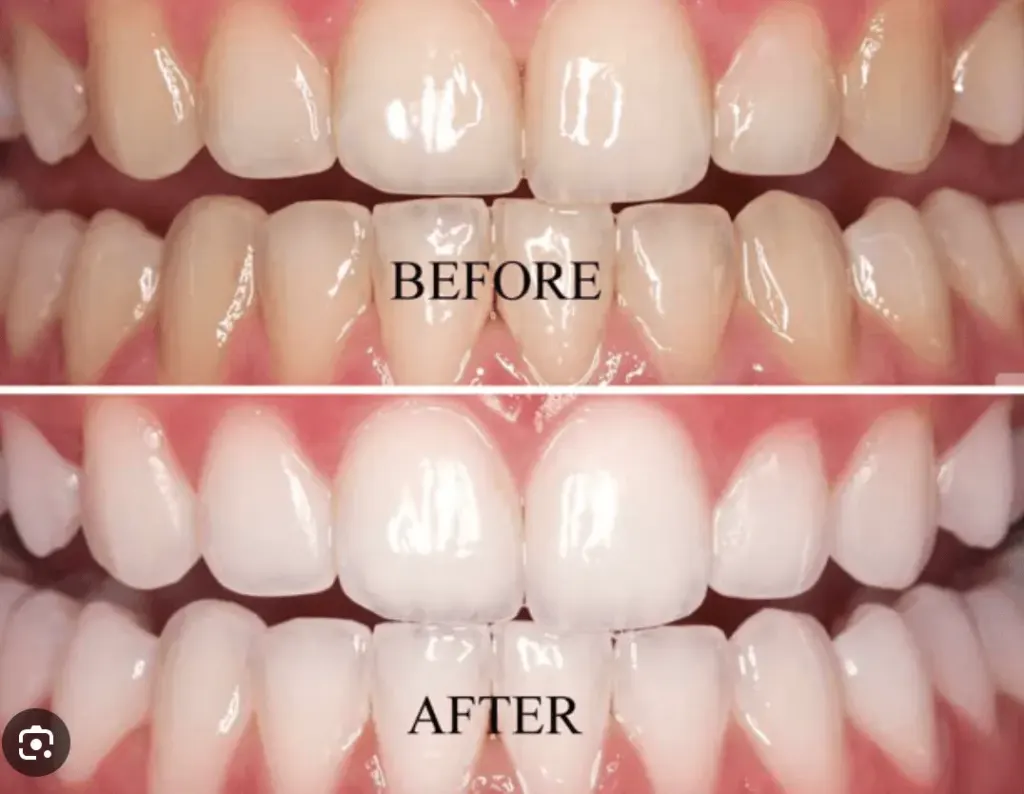
Professional Teeth Whitening Options
For those seeking fast and effective results, professional teeth whitening treatments are a popular choice. Dental offices offer in-office procedures that can noticeably whiten teeth in a single session. Consult with your dentist to determine the best professional option for your timeline and budget.
At-Home Teeth Whitening Kits
If time is a constraint, at-home teeth whitening kits provide a convenient solution. These kits come with detailed instructions and can be used at your own pace. Look for products with positive reviews and consider your teeth sensitivity level when selecting a kit.
Natural Remedies for Teeth Whitening
For those inclined towards natural methods, several options exist. Baking soda, activated charcoal, and oil pulling are known for their teeth-whitening properties. While these methods may take longer to show results, they are gentler on teeth.
Considerations for Sensitive Teeth
Individuals with sensitive teeth need to approach teeth whitening with caution. Opt for products specifically designed for sensitive teeth or consult with your dentist for personalized recommendations.
Common Mistakes to Avoid
Avoid common mistakes like overusing whitening products, neglecting oral hygiene, or using DIY remedies without proper guidance. These mistakes can lead to undesirable results and potential damage to your teeth.
Consultation with a Dentist
Before embarking on a teeth whitening journey, consult with your dentist. They can assess your oral health, recommend suitable treatments, and address any concerns you may have.
Maintaining White Teeth
Once you achieve the desired whiteness, it’s essential to maintain it. Brush and floss regularly, limit staining foods and drinks, and consider touch-up treatments if needed.
Smile Confidence on the Big Day
A confident smile adds to the beauty of the wedding day. Many individuals find increased confidence and self-esteem after whitening their teeth, making the investment worthwhile.
Budget-Friendly Options
Teeth whitening doesn’t have to break the bank. Explore budget-friendly options like whitening toothpaste, home remedies, or DIY kits to achieve a brighter smile without a hefty price tag.
Understanding the Whitening Process
The science behind teeth whitening involves the breakdown of stains on the enamel. Peroxide-based products, whether used professionally or at home, play a crucial role in this process.
Real People, Real Results
Hear success stories from individuals who prioritized teeth whitening before their weddings. Their experiences and transformations may inspire and guide you in your journey.
Photography Tips for a Whiter Smile
On your wedding day, capture your radiant smile with a few photography tips. Work with your photographer to find the best angles and lighting that showcase your teeth in the most flattering way.
Conclusion
In conclusion, strategically planning your teeth whitening before the wedding significantly enhances your confidence on the big day. Whether opting for professional treatments or at-home solutions, initiating the process early and maintaining consistency is crucial. Step into this significant chapter of your life with a brighter smile. Visit Dentick Dental Care to start your journey today!
FAQs
- Is teeth whitening safe for everyone?
- While generally safe, it’s crucial to consult with a dentist, especially if you have existing dental issues.
- How long does it take to see results with at-home kits?
- Results vary, but many at-home kits show noticeable improvement within a couple of weeks.
- Can I whiten my teeth the day before the wedding?
- It’s not advisable; start the process weeks in advance to ensure optimal results.
- Are natural remedies as effective as professional treatments?
- Natural remedies may take longer, but they can be effective for mild staining.
- What should I do if I experience sensitivity after whitening?
- Discontinue the treatment and consult with your dentist for personalized advice.
Beaming with Joy: The Amazing Benefits of a Smile Makeover
A smile is a universal language that transcends barriers, connecting people in an instant. But what if you’re not confident about your smile? This is where the concept of a Smile Makeover comes into play. In this blog, we’ll delve into the profound impact a Smile Makeover Benefits can have on your confidence, appearance, and overall well-being.
Boosting Confidence: The Psychological Impact:
Your smile is a powerful tool, influencing not only how others perceive you but also how you perceive yourself. A Smile Makeover goes beyond just fixing teeth; it boosts confidence by enhancing personal satisfaction, improving social interactions. And even contributing to professional advancement.
Understanding the Smile Makeover Process:
Before diving into the benefits, it’s crucial to understand the process. A Smile Makeover begins with a comprehensive dental assessment. This evaluation guides the selection of tailored treatment options, ensuring a personalized approach for each individual.
Aesthetic Improvements Beyond Teeth:
While teeth are a focal point, a Smile Makeover can involve more than just dental procedures. Lip enhancement and gum reshaping are among the aesthetic improvements that contribute to a harmonious and natural-looking smile.
Technology in Smile Makeovers:
Advancements in dental technology play a pivotal role in Smile Makeovers. From 3D imaging for precise planning to virtual smile design, technology ensures a seamless and customized experience for individuals seeking a radiant smile.
Rejuvenating Your Smile: Popular Procedures:
Teeth whitening, dental veneers, and various orthodontic solutions are popular procedures in Smile Makeovers. These interventions not only enhance the appearance of your teeth but also contribute to improved oral health.
Considering Oral Health in Smile Makeovers:
A beautiful smile goes hand in hand with healthy gums. The article emphasizes the importance of maintaining optimal oral health, providing readers with valuable insights into preventive measures.
Smile Makeovers for All Ages:
Whether you’re a teenager considering orthodontic solutions or an adult aiming for a transformative smile, there’s a Smile Makeover for every age group. This section explores the diverse options available for different life stages.
Breaking Myths About Smile Makeovers:
Addressing common misconceptions about Smile Makeovers, this section sheds light on affordability and timeframe considerations. It aims to provide clarity and dispel any myths that might hinder someone from pursuing a Smile Makeover.
Finding the Right Dental Professional:
Choosing the right dental professional is crucial for a successful Smile Makeover. This section guides readers on effective research, the importance of reviews, and what to expect during the consultation process.
Real Stories: Smile Makeover Transformations:
What better way to illustrate the benefits of Smile Makeovers than through real stories? Patient testimonials and compelling before-and-after photos showcase the remarkable transformations achievable through expert dental care.
DIY vs. Professional Smile Makeovers:
While the internet may offer various DIY solutions, this section highlights the risks associated with self-administered procedures and emphasizes the irreplaceable benefits of seeking professional expertise.
Long-Term Benefits of a Smile Makeover:
The advantages of a Smile Makeover extend beyond aesthetics. This section explores the long-term impact on overall health and provides practical tips for maintaining the results.
Embracing Change: Your Smile Makeover Journey:
Embarking on a Smile Makeover requires patience and realistic expectations. This section guides readers through the journey, emphasizing the importance of follow-up care and embracing the positive changes.
Conclusion:
In conclusion, a Smile Makeover is not just about enhancing your appearance; it’s about reclaiming your confidence and well-being. The transformative power of a radiant smile is undeniable, and with the right professional guidance, so visit dentick dental to experience the joy of a Smile Makeover Benefits.
FAQs
- How much does a Smile Makeover cost on average?
- Costs vary depending on the procedures involved. It’s best to consult with a dental professional for an accurate estimate.
- Are Smile Makeovers only for cosmetic purposes?
- While they enhance aesthetics, Smile Makeovers can also address oral health issues and contribute to overall well-being.
- Do Smile Makeovers require multiple appointments?
- The number of appointments depends on the chosen procedures. Some may be completed in a single visit, while others may require multiple sessions.
- Can I get a Smile Makeover if I have dental anxiety?
- Dental professionals understand anxiety and offer options such as sedation dentistry to ensure a comfortable experience.
- How long do the results of a Smile Makeover last?
- With proper care and maintenance, the results of a Smile Makeover can last for many years.
A Simple Guide on the Different Types of Teeth
Our teeth play a crucial role in our daily lives, from aiding in digestion to enhancing our smiles. Understanding the different types of teeth and their functions is key to maintaining optimal oral health. In this blog , we’ll delve into the intricate world of dental anatomy, explore various types of teeth, and discuss essential tips for keeping your pearly whites in top-notch condition.
Introduction
Your teeth play a crucial role in your digestive system, breaking down food by crushing or cutting before swallowing. While most individuals have 32 teeth, variations exist. The enamel, the tough outer layer of your teeth, stands as the hardest substance in the human body.
A. Importance of understanding teeth types
Our teeth aren’t just tools for chewing; they are a vital part of our overall well-being. Delving into the types of teeth helps us appreciate their unique functions and take better care of them.
B. Brief overview of the blog content
This blog will cover everything from the basics of tooth anatomy to common dental issues, maintenance tips. And emerging trends in dental care.
The Basics of Tooth Anatomy
A. Explanation of tooth structure
Our teeth consist of two main parts: the crown and the root. Understanding these structures is fundamental to grasping their functions.
1. Crown
The crown is the visible part of the tooth above the gum line. And it plays a crucial role in biting and chewing.
2. Root
The root anchors the tooth in the jawbone, providing stability and support.
B. Overview of different tooth tissues
Tooth tissues, including enamel, dentin, and pulp, contribute to the overall strength and function of our teeth.
1. Enamel
Enamel is the outer layer that protects the tooth from decay and damage.
2. Dentin
Dentin is the hard tissue beneath the enamel, providing support to the tooth structure.
3. Pulp
The pulp, located at the center of the tooth, houses blood vessels and nerves, playing a vital role in tooth health.
Types of Teeth
A. Incisors
Incisors are the front teeth with flat edges, essential for cutting and biting into food.
1. Function and characteristics
Incisors help with the initial breakdown of food and contribute to our smiles.
B. Canines
Canines, or cuspids, are pointed teeth that assist in tearing and gripping food.
1. Role in oral function
Canines play a crucial role in the tearing of tough foods and enhancing overall oral function.
C. Premolars
Premolars, located behind the canines, are multi-functional teeth with flat surfaces for grinding and tearing.
1. Function and location
Premolars aid in further breaking down food particles and contribute to the chewing process.
D. Molars
Molars, situated at the back of the mouth, are broad and sturdy, designed for grinding and crushing food.
1. Importance in chewing
Molars are vital for the final stage of chewing, ensuring food is ready for digestion.
Deciduous (Baby) Teeth vs. Permanent Teeth
A. Distinction between baby and permanent teeth
Understanding the differences between baby and permanent teeth is crucial for dental care, starting from childhood.
B. Importance of oral care in childhood
Proper oral care during childhood sets the foundation for a lifetime of healthy teeth and gums.
Common Dental Issues
A. Cavities and tooth decay
Cavities can lead to tooth decay, but understanding their causes and preventive measures is key to maintaining good oral health.
1. Causes and prevention
Addressing the root causes of cavities and adopting preventive measures can significantly reduce the risk of tooth decay.
B. Gum disease
Gum disease comes in various forms, each with its set of symptoms that should not be ignored.
1. Types and symptoms
Recognizing the signs of gum disease is crucial for early intervention and effective treatment.
C. Malocclusion
Malocclusion, or misalignment of the teeth, can impact oral health and aesthetics.
1. Overview and impact on oral health
Understanding malocclusion and its potential effects helps individuals seek appropriate treatment.
Maintaining Healthy Teeth
A. Importance of oral hygiene
Maintaining good oral hygiene through proper brushing and flossing is the foundation of healthy teeth.
1. Brushing and flossing tips
Adopting effective brushing and flossing techniques ensures thorough oral care.
B. Regular dental check-ups
Regular visits to the dentist are crucial for preventive measures and early detection of potential issues.
1. Preventive measures for optimal oral health
Proactive steps, such as regular check-ups, help prevent dental problems before they escalate.
Dietary Habits for Healthy Teeth
A. Impact of diet on oral health
Our diet significantly affects the health of our teeth, and making informed choices can promote optimal oral well-being.
B. Foods that promote dental health
Incorporating foods rich in nutrients like
conclusion
It is important to take good care of your teeth by brushing and flossing regularly and visiting dentick dental care for regular checkups and cleanings. By following these simple steps, you can help to prevent tooth decay, gum disease, and other dental problems
Root Canal Treatment For Children: What Parents Need To Know
Introduction
Root canal treatment for children can be a concerning topic for parents. Understanding the process, reasons behind it. And the overall importance is crucial for making informed decisions about your child’s dental health.
When is a root canal needed for children?
Pediatric Root Canal Treatment becomes necessary when a child’s tooth is infected or damaged. Exploring the causes and recognizing signs early on is key to addressing the issue promptly.
Importance of addressing dental issues in children
Neglecting dental problems in children can have long-term consequences. It’s essential for parents to prioritize their child’s oral health to prevent future complications.
The root canal process explained
A step-by-step guide to the root canal process helps demystify the procedure for parents. Knowing what to expect can alleviate anxiety for both parents and children. Choosing the right dentist for your child
Selecting a dentist experienced in pediatric root canal procedures is crucial. Qualities to look for include patience, a child-friendly approach, and a reassuring demeanor.
Preparing your child for a root canal
Parents play a vital role in preparing their child mentally and emotionally for a root canal. Practical tips can help ease the process for both parents and children.
During the root canal procedure
The Root Canal Procedure:
- Diagnosis: The dentist will conduct a thorough examination, possibly including X-rays, to determine the extent of the pulp damage.
- Anesthesia: To ensure your child’s comfort, local anesthesia is administered to numb the affected tooth and surrounding area.
- Pulp Removal: The dentist will access the pulp chamber and carefully remove the infected or damaged pulp.
- Cleaning and Shaping: The inside of the tooth is cleaned and shaped to prepare for the filling.
- Filling: The cleaned space is filled with a biocompatible material to seal the tooth and prevent further infection.
- Restoration: In most cases, a crown is placed on the tooth to restore its strength and functionality.
Post-treatment care and recovery
Post-Treatment Care:
- Medication: Your child may be prescribed pain relievers or antibiotics to manage discomfort and prevent infection.
- Follow-Up: Regular follow-up appointments are crucial to monitor the healing process and ensure the tooth’s health.
Common misconceptions about root canals for children
Debunking myths surrounding pediatric root canals is crucial. Addressing common misconceptions helps parents make informed decisions based on facts rather than misinformation.
Benefits of early intervention
Benefits of Root Canal Treatment in Children:
- Preservation of Natural Teeth: Root canals help save natural teeth, promoting proper oral development.
- Pain Relief: The procedure alleviates tooth pain caused by infection or damage.
- Prevents Further Complications: Root canal treatment prevents the spread of infection to neighboring teeth or other parts of the body.
Testimonials from parents
Real-life experiences from other parents who have undergone the process with their children can provide reassurance and valuable insights.
Alternatives to root canal treatment
Exploring alternative treatments gives parents options. Understanding the alternatives helps in making the best decision for your child’s specific case.
Conclusion
In conclusion, understanding the nuances of Pediatric Root Canal Treatment empowers parents to make informed decisions about their child’s dental health. Early intervention, proper care, and choosing the right dentist contribute to a positive outcome.To learn more, visit Dentick Dental Care.
15 Facts about Invisalign You Need to Know
In the realm of orthodontic care, Invisalign has revolutionized the way people achieve straighter teeth. Let’s delve into 15 essential facts about Invisalign that everyone should be aware of.
Introduction
Embarking on the journey to a straighter smile is a significant decision. And Invisalign offers a modern solution that departs from traditional braces. With its transparent aligners, Invisalign provides a discreet and comfortable alternative to achieve a beautiful smile.
How Invisalign Works
Invisalign employs cutting-edge technology to straighten teeth gradually. The clear aligners are custom-made for each patient, applying controlled force to shift teeth into their desired position. Unlike traditional braces, there are no wires or brackets.
Advantages of Invisalign
Aesthetic Appeal
The transparent nature of Invisalign aligners makes them nearly invisible, allowing users to straighten their teeth without the noticeable appearance of traditional braces.
Comfort and Convenience
Invisalign aligners are smooth and comfortable, causing less irritation than traditional braces. Their removable nature also permits easier maintenance and oral care.
Removability
The ability to remove Invisalign aligners makes eating, brushing, and flossing more convenient. This feature contributes to better oral hygiene during the treatment process.
The Process of Getting Invisalign
The journey with Invisalign typically begins with an initial consultation, where a comprehensive assessment is conducted. Following this, a customized treatment plan is devised, and regular check-ups monitor progress.
Common Misconceptions
Addressing misconceptions about Invisalign is crucial. Contrary to some beliefs, Invisalign is as effective as traditional braces, and the treatment process is straightforward and well-managed.
Who Can Benefit from Invisalign
Invisalign is suitable for a wide range of candidates. From teenagers to adults, the treatment can address various orthodontic issues, offering a versatile solution for those seeking a discreet option.
Invisalign vs. Traditional Braces
Pros and Cons
Both Invisalign and traditional braces have their advantages and disadvantages. While traditional braces are fixed and may be more suitable for complex cases, Invisalign provides a more aesthetically pleasing option with fewer lifestyle disruptions.
Choosing the Right Treatment
The decision between Invisalign and traditional braces depends on individual preferences, lifestyle, and the complexity of the orthodontic issues.
Maintaining Oral Hygiene with Invisalign
Ensuring proper oral hygiene during Invisalign treatment is essential. Regular cleaning of both teeth and aligners, along with dental check-ups, helps prevent potential issues and ensures optimal results.
Eating with Invisalign
Certain dietary considerations accompany Invisalign treatment. While the aligners are removable, avoiding certain foods can prevent damage and maintain the effectiveness of the treatment.
Overcoming Challenges
Adapting to Invisalign may involve initial discomfort and lifestyle changes. However, understanding and addressing these challenges contribute to a more positive experience.
Invisalign for Teens
Invisalign offers specialized solutions for teenagers, considering their unique orthodontic needs. Parental involvement and support are crucial for a successful outcome.
Invisalign and Professional Life
The discreet nature of Invisalign aligners makes them suitable for professional settings. Users can confidently pursue their daily activities without the self-consciousness often associated with traditional braces.
Invisalign Cost and Insurance
Understanding the financial aspects of Invisalign treatment is essential. Exploring insurance coverage and payment plans ensures that individuals can make informed decisions about their orthodontic care.
Success Stories
Real-life success stories showcase the transformative impact of Invisalign. Hearing the experiences of others can inspire confidence in those considering this innovative orthodontic solution.
FAQs
- How long does Invisalign treatment typically take?
- The duration of Invisalign treatment varies, but it commonly ranges from 12 to 18 months.
- Are there any restrictions on what I can eat with Invisalign?
- While there are some dietary considerations, Invisalign allows for more flexibility than traditional braces. It is advisable to avoid sticky or hard foods.
- Can I remove Invisalign aligners for special occasions?
- Yes, Invisalign aligners are removable, allowing users to take them out for short periods, such as special events. However, consistent wear is crucial for optimal results.
- Is Invisalign suitable for children?
- Invisalign offers specialized treatments for teens, but it may not be suitable for very young children with developing teeth.
- Does insurance cover Invisalign treatment?
- Insurance coverage varies, so it’s important to check with your provider. Many dental insurance plans offer some level of coverage for orthodontic treatments, including Invisalign.
Conclusion
Invisalign emerges as a contemporary, efficient, and visually appealing choice for attaining a straighter smile with 15 essential facts about Invisalign. By dispelling myths, grasping the process, and embracing the benefits, individuals can confidently begin their path towards enhanced dental health. To explore further, visit Dentick Dental Care.
What is a crossbite? Signs, effects and treatment
A crossbite is a dental condition where the upper and lower teeth do not properly align when the jaws are closed. This misalignment can cause a variety of problems, including difficulty chewing, speaking, and breathing. Crossbites can also lead to jaw pain, headaches, and even sleep apnea.
There are different types of crossbites:
- Anterior Crossbite:
- Involves the front teeth, where the upper front teeth sit behind the lower front teeth when the jaws are closed.
- Posterior Crossbite:
- Involves the back teeth, where the upper molars sit inside the lower molars instead of outside.
Signs and Symptoms of a Crossbite
There are a number of signs and symptoms that may indicate a crossbite. These include:
- Teeth that don’t align properly: This is the most obvious sign of a crossbites. When you close your mouth, your upper teeth should overlap slightly with your lower teeth. If your upper teeth bite inside your lower teeth, or your lower teeth bite outside your upper teeth, you may have a crossbite.
- Difficulty chewing: Crossbites can make it difficult to chew food properly. This is because your teeth aren’t in the correct position to grind and crush food.
- Speaking problems: Crossbitescan also cause speech problems, such as lisping. This is because the misaligned teeth can interfere with the production of certain sounds.
- Jaw pain: Crossbites can put extra stress on the jaw muscles, which can lead to pain and discomfort.
- Headaches: In some cases, crossbites can also cause headaches. This is because the pain from the jaw muscles can radiate to the head.
- Uneven tooth wear: Crossbites can cause uneven wear on the teeth. This is because the teeth are not in the correct position to grind and crush food evenly.
Effects of a Crossbite
If left untreated, a crossbites can have a number of negative effects on your oral and overall health. These include:
- Tooth decay: Crossbites can make it difficult to clean your teeth properly, which can increase your risk of tooth decay.
- Periodontal disease: Crossbites can also increase your risk of periodontal disease, which is an infection of the gums and supporting structures of the teeth.
- Jaw pain: Crossbites can cause chronic jaw pain and discomfort.
- Asymmetrical facial appearance: Crossbites can also cause an asymmetrical facial appearance. This is because the misaligned teeth can affect the development of the jaw bone.
- Teeth grinding or bruxism: Crossbites can increase your risk of teeth grinding or bruxism. This is because the misaligned teeth can put extra stress on the jaw muscles, which can cause them to grind or clench together.
- Chronic headaches and migraines: Crossbites can also increase your risk of chronic headaches and migraines. This is because the pain from the jaw muscles can radiate to the head.
- Sleep apnea: Crossbites can also increase your risk of sleep apnea. This is a serious condition that can cause you to stop breathing during sleep.
Treatment for a Crossbite
The treatment for a crossbite will depend on the severity of the condition and the individual’s age. In some cases, treatment may not be necessary if the crossbite is mild. However, if the crossbite is causing problems with chewing, speaking, or breathing, treatment will be necessary.
Treatment options for crossbite include:
- Braces: Braces are the most common treatment for crossbites. They are used to gradually move the teeth into the correct position.
- Invisalign: Invisalign is a clear aligner system that can be used to treat crossbite. It is a less visible alternative to braces.
- Surgery: Surgery may be necessary in some cases to correct a severe crossbites.
The treatment for crossbite can take several months or even years to complete. However, the results are usually permanent.
Prevention of Crossbite
There is no way to prevent crossbite from occurring in all cases. However, there are some things you can do to reduce your risk, such as:
- Regular dental checkups: Regular dental checkups can help to identify crossbite early on, when it is easier to treat.
- Proper oral hygiene: Proper oral hygiene can help to keep your teeth and gums healthy, which can reduce your risk of crossbite.
- Avoiding habits that can damage teeth: Avoiding habits that can damage teeth, such as sucking on thumbs or using pacifiers, can also help to reduce your risk of crossbite.
conclusion
If you are concerned that you or your child may have a crossbite, please schedule an appointment with your dentist. Early diagnosis and treatment can help to prevent serious problems from developing.
The Link Between Poor Oral Hygiene and Oral Cancer: A Chilling Concern
Maintaining good oral hygiene is not just about keeping your teeth pearly white and your breath fresh. It’s also about safeguarding your overall health. While brushing and flossing may seem like mundane tasks, they play a crucial role in preventing a range of oral health issues, including gum disease, tooth decay, and, more alarmingly, oral cancer.
Oral cancer, a malignancy of the mouth and throat, is a serious health concern that affects millions worldwide. It is often linked to lifestyle factors such as tobacco and alcohol consumption. But poor oral hygiene also plays a significant role in its development.
How Poor Oral Hygiene Increases Oral Cancer Risk
The mouth is a bustling ecosystem teeming with bacteria, many of which are harmless. However, when oral hygiene is neglected, these bacteria can overgrow and form plaque, a sticky biofilm that adheres to teeth and gums. Plaque harbors harmful toxins and byproducts that irritate the oral tissues, leading to inflammation and potentially triggering abnormal cell growth.
Chronic inflammation, a hallmark of poor oral hygiene, can damage the DNA of cells in the mouth, increasing the likelihood of mutations that can lead to cancer. Additionally, the bacteria in plaque produce enzymes that can break down protective barriers in the mouth, allowing cancer-causing substances from tobacco and alcohol to penetrate deeper into the tissues.
Maintaining Good Oral Hygiene for Oral Cancer Prevention
Fortunately, there are simple yet effective steps you can take to maintain good oral hygiene and reduce your risk of oral cancer:
- Brush your teeth twice a day, using a soft-bristled toothbrush and fluoride toothpaste.
- Floss daily to remove plaque and food particles from between teeth and under the gum line.
- Rinse your mouth with water or mouthwash after meals and snacks to remove food debris and reduce bacteria levels.
- Visit your dentist regularly for professional cleanings and checkups. Early detection of oral cancer is crucial for successful treatment.
Additional Tips for Oral Cancer Prevention
Beyond maintaining good oral hygiene, adopting a healthy lifestyle can further reduce your risk of oral cancer:
- Quit tobacco use in all forms, including cigarettes, cigars, and chewing tobacco.
- Limit alcohol consumption or avoid it altogether.
- Maintain a healthy diet rich in fruits, vegetables, and whole grains.
- Avoid excessive sun exposure to the lips, as excessive ultraviolet (UV) radiation can damage the delicate tissues.
conclusion
Remember, early detection of oral cancer is crucial for successful treatment.
Regular self-examinations and checkups with your dentist can help identify any changes in your mouth that may warrant further investigation. If you notice any unusual symptoms, such as persistent sores, lumps, or bleeding, seek immediate medical attention.
Schedule your appointment today at Dentick Dental Care and embark on a journey towards a healthier, happier you. Together, we can safeguard your oral health and ensure a lifetime of confident smiles.
Alcohol consumption can damage oral health
In the hustle and bustle of our daily lives, it’s not uncommon for people to unwind with a drink or two. However, what many may not realize is the potential impact of alcohol consumption on their oral health. This blog explores the intricate relationship between alcohol and oral well-being, shedding light on the ways in which indulging in spirits can affect your teeth and gums.
The Impact of Alcohol on Oral Health
Understanding the Basics
Alcohol when consumed, enters the bloodstream and can have far-reaching effects on various bodily systems. One such system that bears the brunt of alcohol consumption is our oral health.
The Connection Between Alcohol and Gum Disease
Gum disease, also known as periodontal disease, is a prevalent issue linked to excessive alcohol intake. The inflammatory response triggered by alcohol can compromise the integrity of the gums, paving the way for bacterial invasion and potential infection.
Effects of Alcohol on Teeth
Enamel Erosion
Alcohol has been identified as a significant contributor to enamel erosion, the protective outer layer of our teeth. This erosion exposes the sensitive dentin beneath, leading to heightened sensitivity and an increased risk of cavities.
Staining and Discoloration
Apart from eroding enamel, alcohol can also cause unsightly stains and discoloration on the teeth. The pigments present in certain alcoholic beverages, coupled with their acidic nature, can leave a lasting mark on your pearly whites.
Dry Mouth and Alcohol Consumption
Link Between Alcohol and Reduced Saliva
One of the less-discussed effects of alcohol consumption is its role in causing dry mouth. Reduced saliva production can create an environment conducive to bacterial growth, putting oral health at risk.
The Importance of Saliva in Oral Health
Saliva plays a crucial role in maintaining oral health by neutralizing acids, aiding in digestion, and washing away food particles. Insufficient saliva due to alcohol consumption disrupts this delicate balance.
Increased Risk of Oral Cancer
Alcohol as a Carcinogen
Alcohol is classified as a Group 1 carcinogen by the International Agency for Research on Cancer (IARC). This means that there is sufficient evidence to support its role in the development of various cancers, including oral cancer.
Combining Alcohol with Tobacco: A Dangerous Duo
The risk of oral cancer becomes even more significant when alcohol consumption is coupled with tobacco use. The synergy between these two substances dramatically amplifies the likelihood of cancerous growth in the oral cavity.
Tips for Maintaining Oral Health While Consuming Alcohol
Moderation is Key
The key to minimizing the impact of alcohol on oral health is moderation. Limiting the quantity and frequency of alcohol consumption can significantly reduce the risk of associated oral issues.
Hydration and Oral Care Practices
Staying hydrated is crucial to counteract the drying effects of alcohol. Additionally, maintaining a robust oral care routine, including regular brushing and flossing, becomes even more imperative for those who enjoy an occasional drink.
Alcohol-Free Alternatives for Oral Health
Choosing Wisely
For those concerned about the potential harm of alcohol on their oral health, there are plenty of alcohol-free alternatives available. Opting for beverages that are less acidic and do not contain alcohol can be a wise choice.
Benefits of Alternatives
Alcohol-free alternatives not only spare your teeth from the harmful effects but also contribute to overall better health. These beverages often contain beneficial compounds that can promote oral well-being.
Seeking Professional Help
Regular Dental Check-ups
Regular dental check-ups are crucial, especially for individuals who consume alcohol. Dentists can detect early signs of oral issues and provide tailored advice on maintaining optimal oral health.
When to Consult a Dentist
Persistent issues such as chronic dry mouth, unexplained pain, or changes in oral tissues should prompt an immediate visit to the dentist. Timely intervention can prevent minor issues from escalating into major oral health concerns.
Lifestyle Changes for Better Oral Health
Balanced Diet and Oral Hygiene
A balanced diet rich in essential nutrients contributes to overall health, including oral health. Incorporating foods that promote healthy teeth and gums can be a proactive measure against the potential harms of alcohol.
Breaking Bad Habits
In addition to moderating alcohol intake, breaking bad oral habits is essential. Avoiding excessive sugary snacks, tobacco use, and neglecting oral hygiene are critical steps towards sustaining a healthy smile.
The Role of Genetics in Oral Health
Understanding Genetic Predispositions
Genetics can play a role in determining an individual’s susceptibility to certain oral health issues. Understanding one’s genetic predispositions can guide personalized oral care practices.
Compensating with Good Practices
While genetics may set the stage, adopting good oral hygiene practices and a healthy lifestyle can compensate for genetic predispositions, mitigating the risk of oral health problems.
FAQs
- Is it okay to drink alcohol occasionally and still maintain good oral health?
- Yes, moderation is key. Occasional and responsible alcohol consumption, coupled with proper oral care, is less likely to cause significant harm.
- Can alcohol-free alternatives really make a difference?
- Absolutely. Choosing alcohol-free alternatives reduces the risk of enamel erosion, staining, and other oral health issues associated with alcoholic beverages.
- How often should I visit the dentist if I consume alcohol?
- Regular dental check-ups are recommended at least twice a year, regardless of alcohol consumption. More frequent visits
Conclusion
In conclusion, savoring an occasional drink is a social norm, but it’s crucial to consider its potential impact on oral health. Prioritize moderation and proactive oral care practices to protect your teeth and gums. For comprehensive dental care, visit Dentick Dental Care.
5 WAYS TO CELEBRATE CHILDREN’S DENTAL HEALTH MONTH WITH YOUR KIDS
Children’s Dental Health Month is more than just a reminder to schedule a dental check-up; it’s an opportunity to instill lifelong oral health habits in your little ones. In this blog, we’ll explore creative and engaging ways to Children’s Dental Health Month Celebrations
Understanding Children’s Oral Health
The Significance of Early Dental Care
Ensuring your child’s dental health starts early. Learn why those baby teeth matter and how proper care sets the stage for a lifetime of healthy smiles.
Common Dental Issues in Children
From cavities to misalignment, understand the common dental issues that kids face and how to address them proactively.
Fun Dental Activities for Kids
Engaging Games Promoting Oral Health
Make dental care exciting with games that teach your kids the importance of brushing and flossing in a fun and interactive way.
DIY Toothpaste and Mouthwash Recipes
Get creative in the kitchen by making toothpaste and mouthwash together, turning dental care into a hands-on experience.
Healthy Snacks for Strong Teeth
Nutritious Food Choices for Dental Health
Discover snacks that not only satisfy hunger but also contribute to strong teeth and gums.
Limiting Sugary Snacks
Learn about the impact of sugar on dental health and practical ways to limit sugary snacks in your child’s diet.
Establishing a Dental Care Routine
Teaching Proper Brushing and Flossing Techniques
Guide your kids in developing proper oral hygiene habits through effective brushing and flossing techniques.
Regular Dental Check-ups for Kids
Understand the importance of regular dental check-ups and how they contribute to preventive oral care.
Celebrating Dental Health Month at School
Collaborating with Educators
Engage with your child’s school to create awareness about dental health, fostering a supportive community.
Organizing Dental Health Events in Schools
Explore ideas for organizing dental health events in schools, involving both students and educators.
Interactive Apps and Resources
Kid-friendly Dental Apps
Discover interactive apps that make learning about dental health enjoyable for kids.
Online Resources for Dental Education
Access valuable online resources to supplement your child’s understanding of oral hygiene.
Incorporating Oral Health into Daily Activities
Making Dental Care a Part of Daily Routines
Integrate dental care seamlessly into your daily activities, making it a natural and essential part of your child’s routine.
Encouraging Good Oral Habits Through Storytelling
Use storytelling as a tool to instill the importance of oral health in a way that captivates your child’s imagination.
The Role of Parents in Dental Health
Leading by Example
As a parent, your actions speak louder than words. Discover how leading by example positively influences your child’s attitude towards dental care.
Encouraging a Positive Attitude Toward Dental Care
Learn strategies to foster a positive attitude towards dental care, making it a stress-free and enjoyable experience.
Creative Dental-Themed Crafts
Arts and Crafts Promoting Dental Health
Unleash your artistic side with dental-themed crafts that not only entertain but also educate your child about oral health.
Creating a Dental-Themed Art Display
Turn your home into a gallery of dental health with a creative art display showcasing your child’s masterpieces.
Building a Supportive Community
Involving Friends and Neighbors
Create a network of support by involving friends and neighbors in celebrating Children’s Dental Health Month.
Sharing Dental Health Tips Within the Community
Exchange tips and ideas within your community to collectively promote good oral health practices for kids.
Addressing Dental Anxiety in Kids
Understanding and Overcoming Fear
Dental anxiety is common in children. Learn how to identify and address fear, making dental visits a positive experience.
Importance of a Child-Friendly Dental Environment
Explore the significance of a child-friendly dental environment in alleviating anxiety and promoting a sense of comfort.
Motivating Kids to Take Ownership
Reward Systems for Good Dental Habits
Implement effective reward systems that motivate your kids to take ownership of their oral health.
Fostering Independence in Dental Care
Encourage independence in dental care, empowering your child to make responsible choices for their oral well-being.
Maintaining Consistency Beyond the Month
Turning Habits into Lifelong Practices
Discover strategies to ensure the habits formed during Children’s Dental Health Month become lifelong practices.
Reinforcing Positive Behavior
Learn how to reinforce positive behavior consistently, ensuring a lasting impact on your child’s oral health.
Conclusion
In conclusion, Children’s Dental Health Month Celebrations provides a golden opportunity to impart essential oral health knowledge to your kids in a fun and engaging manner. To schedule an appointment by incorporating these strategies into your routine, you’re not only celebrating the month but laying the foundation for a lifetime of healthy smiles.
Dental Health Superfoods for Strong Teeth
Dental health is a vital aspect of our overall well-being. While regular brushing and flossing play a crucial role, the importance of nutrition in maintaining strong teeth should not be underestimated. In this blog, we will explore the connection between dental health and nutrition, focusing on superfoods that can contribute to stronger teeth.
Understanding Dental Health
Good dental health involves more than just having a bright smile. It encompasses the well-being of teeth, gums, and the entire oral cavity. Common issues such as cavities, gum disease, and tooth decay can significantly impact one’s quality of life.
The Impact of Nutrition on Dental Health
The foods we consume directly influence our dental health. Superfoods, in particular, are packed with essential nutrients that promote strong teeth and gums. Let’s delve into some dental health superfoods that can make a difference.
Dental Health Superfoods
Essential Nutrients for Strong Teeth
- Vitamin C for gum health.
- Calcium for robust jaws and teeth.
- Phosphorus (which acts with Calcium) makes teeth stronger and more durable.
- Vitamin D regulates Calcium and Phosphorus intake and reduces inflammation caused by periodontal diseases.
- Dairy Products: Rich in calcium and phosphorus, dairy products like milk and cheese contribute to the remineralization of tooth enamel.
- Leafy Greens: High in vitamins and minerals, leafy greens such as spinach and kale promote overall oral health.
- Crunchy Fruits and Vegetables: Apples, carrots, and celery act as natural toothbrushes, stimulating saliva production and cleaning teeth.
- Nuts and Seeds: Almonds and sesame seeds provide a dose of calcium and help in maintaining strong teeth.
Foods to Avoid
While incorporating dental health superfoods, it’s essential to be mindful of foods that can harm our teeth.
- Sugary Snacks and Beverages: Excessive sugar intake can lead to cavities and tooth decay.
- Acidic Foods: Citrus fruits and acidic foods erode tooth enamel over time.
- Starchy Foods: Foods like chips and crackers can get stuck between teeth, leading to plaque buildup.
Tips for Incorporating Superfoods into Your Diet
Making superfoods a part of your daily diet doesn’t have to be complicated. Here are some easy ways to include them:
- Simple Recipe Ideas: Incorporate dairy into smoothies or add nuts to your breakfast.
- Snack Options: Choose crunchy fruits and vegetables as healthy snacks throughout the day.
Hydration and Dental Health
Staying hydrated is crucial for maintaining good oral health. Water helps rinse away food particles and reduces the acidity in the mouth. On the contrary, sugary and acidic beverages can contribute to dental issues.
Oral Hygiene Practices
In addition to a nutritious diet, proper oral hygiene practices are essential for strong teeth.
- Brushing Techniques: Use fluoride toothpaste and brush for at least two minutes twice a day.
- Flossing and Mouthwash: Regular flossing and using an antimicrobial mouthwash help remove plaque and bacteria.
Regular Dental Check-ups
Professional dental care is indispensable. Regular check-ups with a dentist can identify issues early on and prevent potential problems.
- Importance of Professional Care: Dentists can provide thorough cleanings and address dental concerns promptly.
- Frequency of Dental Visits: Aim for biannual dental check-ups to maintain optimal oral health.
Lifestyle Factors
Certain lifestyle choices can impact dental health significantly.
- Quitting Smoking: Smoking contributes to gum disease and tooth decay. Quitting can improve overall oral health.
- Managing Stress: Stress can manifest in teeth grinding or clenching, leading to dental problems. Stress management is key.
Case Studies
Real-life stories of individuals who have improved their dental health through diet and lifestyle changes can inspire and educate readers.
Myths and Facts
Dispelling common myths about dental health ensures that readers have accurate information to make informed choices.
Quick Tips for Strong Teeth
Provide readers with actionable tips for maintaining strong teeth on a daily basis and emergency care guidelines.
Celebrating Healthy Smiles
A positive oral health journey contributes to overall well-being. Encourage readers to celebrate their healthy smiles and spread awareness.
FAQs
- How often should I visit the dentist for a check-up?
- Aim for a dental check-up every six months to maintain optimal oral health.
- Can I improve my dental health through diet alone?
- While diet is crucial, combining it with proper oral hygiene practices and professional care is ideal.
- Are there specific superfoods for preventing gum disease?
- Yes, leafy greens and foods rich in vitamin C can contribute to gum health.
- Is it necessary to quit smoking for better dental health?
- Quitting smoking significantly improves oral health, reducing the risk of gum disease and tooth decay.
- What emergency care measures can I take for sudden dental issues?
- Rinse your mouth with warm water, use floss to remove any debris, and contact your dentist immediately.
Conclusion
In your journey to strong teeth, Dentick Dental Care is your partner in achieving optimal dental health. Our expert team, coupled with advanced practices, ensures your smile radiates well-being. Schedule your visit today for a brighter, healthier you.
Diwali 2023: Dental Health tips Dos and Don’ts to Follow During the Festive Season
Diwali, the festival of lights, is a time of joy, family gatherings, and indulgent feasts. While it’s a wonderful occasion to celebrate, it’s essential to pay attention to your dental health during this festive season. Sweets and snacks are an integral part of Diwali, and it’s easy to get carried away. In this blog, we’ll discuss some dental health dos and don’ts to help you maintain a sparkling smile during Diwali 2023 Dental Health Tips.
Dos:
Maintain a Consistent Oral Hygiene Routine:
Even during the festivities, don’t skip your daily oral care routine. Brush your teeth at least twice a day and floss to remove food particles that can lead to plaque and cavities.
Choose Sugar-Free Sweets:
Opt for sugar-free or low-sugar sweets and snacks to reduce the risk of tooth decay. These alternatives are often less harmful to your teeth.
Drink Water:
Stay hydrated by drinking water throughout the day. This helps rinse away food particles and sugar from your mouth, reducing the risk of cavities.
Chew Sugar-Free Gum:
Chewing sugar-free gum can stimulate saliva production, which naturally cleanses your mouth and neutralizes acids that can harm your teeth.
Schedule a Dental Check-Up:
If it’s been a while since your last dental check-up, consider scheduling one before Diwali. A professional cleaning and examination can identify any dental issues early on.
Don’ts:
Excessive Consumption of Sweets:
While indulging in Diwali treats is fun, avoid overindulgence. The more sugar you consume, the higher the risk of tooth decay. Moderation is key.
Avoid Sticky and Hard Sweets:
Stay away from sticky and hard sweets like toffees and caramel. These can stick to your teeth, making it difficult to clean and potentially leading to cavities.
Don’t Snack Throughout the Day:
Continuous snacking increases the exposure of your teeth to sugar and acids. Try to limit your snacking and stick to regular mealtimes.
Limit Carbonated and Sugary Drinks:
Beverages like soda and fruit juices are high in sugar and can erode tooth enamel. If you must indulge, use a straw to minimize contact with your teeth.
Don’t Forget to Rinse:
After enjoying Diwali sweets, rinse your mouth with water or mouthwash to help remove sugar and acid residues.
FAQ
1. Are there any specific sweets that are better for dental health during Diwali?
- Yes, sweets made with less sugar or sugar substitutes are better for your teeth. Opt for treats like sugar-free sweets or those made with jaggery (gur) as they are less harmful to dental health.
2. What should I do if I experience tooth sensitivity after Diwali sweets?
- Tooth sensitivity can be caused by the consumption of sugary and acidic foods. If you experience sensitivity, avoid extreme temperatures and acidic foods, and consider using toothpaste designed for sensitive teeth.
3. Is it okay to brush my teeth immediately after consuming sweets?
- It’s not advisable to brush your teeth immediately after consuming sweets, especially if they are acidic. Wait for about 30 minutes to allow your saliva to neutralize acids, then brush your teeth.
4. Are there any natural remedies to keep my teeth healthy during Diwali?
- Chewing sugar-free gum, drinking water, and consuming fibrous foods like fruits and vegetables can help naturally cleanse your mouth and promote dental health.
5. Can I make any dietary changes to protect my teeth during Diwali?
- Including dairy products like yogurt and cheese in your diet can help neutralize acids and strengthen tooth enamel. These can be part of your Diwali meal plan.
Conclusion:
As the festive season approaches, it’s crucial to prioritize your dental health alongside the celebrations. Diwali 2023 Dental Health Tips By adhering to these dos and don’ts, you can maintain a healthy and radiant smile throughout the festivities. Don’t forget to schedule regular checkups with your dentist at Dentick Dental Care to ensure your oral health remains in top condition. Embrace the festive spirit while keeping your smile bright and healthy.
How to Get Rid of Bad Breath Permanently Naturally
Bad breath, also known as halitosis, can be an embarrassing and confidence-damaging issue that affects many people. It often stems from poor oral hygiene, but it can also result from underlying health problems. While temporary bad breath Remedies can be caused by certain foods or drinks, chronic bad breath requires more attention. In this blog, we will explore how to get rid of bad breath permanently and naturally. Say goodbye to awkward moments and hello to fresh, confident smiles.
Understanding the Causes of Bad Breath
Before we dive into how to eliminate bad breath, it’s crucial to understand the root causes. Most often, bad breath originates in the mouth due to bacteria. Other common culprits include poor oral hygiene, dental issues, dry mouth, and certain foods or drinks.
The Role of Oral Hygiene
Maintaining good oral hygiene is fundamental. Brush your teeth at least twice a day, using fluoride toothpaste. Don’t forget to clean your tongue and use dental floss. Proper toothbrushing and flossing remove food particles and plaque, preventing bacterial growth.
Hydration – Your Breath’s Best Friend
Drinking enough water helps keep your mouth moist and washes away food particles. This is especially important if you have dry mouth, a condition that can lead to bad breath.
The Magic of Mouthwash
Mouthwash can be an effective addition to your oral care routine. Opt for an alcohol-free mouthwash to avoid drying out your mouth. Rinse with mouthwash after brushing to kill bacteria and freshen your breath.
Don’t Underestimate the Power of Tongue Cleaning
The tongue is a breeding ground for bacteria. Invest in a tongue scraper to remove the buildup of bacteria and debris. Regular tongue cleaning can significantly improve the freshness of your breath.
The Impact of Diet on Bad Breath
Certain foods like garlic and onions can leave a lasting odor. Limit your consumption of such foods and opt for breath-freshening alternatives like parsley, apples, and carrots.
Chewing Gum and Mints – Friend or Foe?
While chewing gum or mints can provide temporary relief, they are not long-term solutions. Look for sugar-free gum or mints with xylitol, which can help combat bacteria and freshen your breath.
Herbal Remedies for Fresher Breath
Herbs like mint, parsley, and cloves have natural breath-freshening properties. Incorporate them into your diet or chew on them for a quick freshness boost.
Stay Away from Tobacco and Alcohol
Both tobacco and alcohol can contribute to bad breath. Avoiding or reducing their use can have a significant impact on the long-term freshness of your breath.
Stress Management for a Sweeter Breath
Stress can lead to dry mouth and bad breath. Practice stress-reduction techniques such as deep breathing, meditation, or yoga to maintain fresh breath.
Regular Dental Checkups
Regular dental checkups are essential for identifying and addressing any dental issues that may contribute to bad breath. Make it a routine to see your dentist twice a year.
Avoiding Dry Mouth
If you suffer from chronic dry mouth, consult your dentist. They can recommend remedies or medications to help maintain moisture in your mouth.
When to Seek Professional Help
If bad breath persists despite your efforts, it could be a sign of an underlying health issue. Consult a healthcare professional to rule out any medical conditions.
Maintaining Consistency in Your Routine
Consistency is key. Incorporate these practices into your daily routine, and you’ll soon notice a significant improvement in the freshness of your breath.
FAQs
- How long does it take to get rid of bad breath naturally?
- The timeline varies from person to person. But with consistent oral care, you can expect to notice improvements within a few weeks.
- Can herbal remedies completely eliminate bad breath?
- While herbal remedies can help freshen your breath, they are most effective when combined with good oral hygiene practices.
- Are there specific foods to avoid to prevent bad breath?
- Yes, foods like garlic, onions, and spicy dishes can contribute to bad breath. Limit their consumption for fresher breath.
- Is dry mouth a common cause of bad breath?
- Yes, dry mouth can lead to bad breath as it reduces saliva production. Staying hydrated and using saliva-inducing products can help.
- When should I see a doctor about my bad breath?
- If bad breath persists despite oral care efforts, consult a healthcare professional to rule out any underlying medical conditions.
Conclusion – Embrace Freshness
Say goodbye to the embarrassment of bad breath. By understanding the causes and following a consistent oral care routine, you can enjoy permanent relief from halitosis. Embrace the confidence that comes with a fresh, clean breath..Visit Dentick Dental Care for consultation and schedule an appointment.
What to Eat After Tooth Extraction
If you’ve recently undergone a tooth extraction, you may be wondering what to eat to promote healing and ensure a comfortable recovery. It’s essential to choose your foods carefully during the post-extraction period to avoid complications and discomfort. This blog will guide you through the do’s and don’ts of your post-tooth extraction diet and provide helpful tips for a smoother recovery.
what is Tooth Extraction
A tooth extraction is a common dental procedure, and what you eat afterward can significantly impact the healing process. Proper nutrition is essential to reduce the risk of infection, minimize discomfort, and speed up the recovery time. Let’s dive into the specifics of what to eat after a tooth extraction.
What to Expect After a Tooth Extraction
Before we discuss the best foods to eat, it’s crucial to understand what you can expect in the days following your tooth extraction. You’ll likely experience some pain, swelling, and bleeding, but these symptoms can be managed with proper care and nutrition.
Immediate Post-Extraction Diet

Soft Foods
Immediately after your tooth extraction, opt for soft foods that won’t irritate the extraction site. This includes options like:
- Applesauce
- Yogurt
- Mashed potatoes
- Soup
- Oatmeal
These foods are gentle on your mouth and provide essential nutrients.
Cold Foods

Cold foods can help reduce swelling and provide relief. Consider:
- Ice cream
- Smoothies
- Cold yogurt
Foods to Promote Healing
To facilitate the healing process, focus on foods rich in protein, vitamins, and minerals.

Proteins
Proteins are essential for tissue repair. Include foods like:
- Eggs
- Yogurt
- Poultry
- Beans
Vitamins and Minerals
Vitamins like C and D, along with minerals like calcium, are crucial for healing. Consume:
- Citrus fruits
- Leafy greens
- Dairy products
Hydration is Key
Staying hydrated is essential for a swift recovery. Drink plenty of water to avoid dry mouth and assist in the healing process.
Meal Ideas for After Tooth Extraction
Here are some meal ideas to consider:
- Scrambled eggs with spinach
- Vegetable soup
- Blended fruit smoothies
- Cottage cheese with honey
Foods to Avoid

While you plan your post-extraction diet, be aware of foods to avoid, such as:
- Hot and spicy foods
- Crunchy and hard foods
- Carbonated beverages
- Alcohol
- Straws (which can cause complications)
8 Tips for a Comfortable Recovery
To make your recovery more comfortable, try the following:
- Follow your dentist’s instructions
- Use pain medications as directed
- Apply ice to the swollen area
- Get plenty of rest
Dealing with Pain and Swelling
Pain and swelling are common after a tooth extraction. Over-the-counter pain relievers and cold compresses can help manage these symptoms.
Maintaining Oral Hygiene
While it’s essential to be gentle around the extraction site, maintaining oral hygiene is vital. Rinse your mouth with warm salt water as directed by your dentist to prevent infection.
What Not to Do After a Tooth Extraction
Avoid smoking and chewing tobacco, as these can slow down the healing process. Additionally, do not disturb the blood clot that forms at the extraction site, as this can lead to a painful condition known as “dry socket.”
Long-Term Diet Considerations
After the initial recovery period, you can gradually reintroduce a regular diet. However, be cautious with hard or crunchy foods and continue to prioritize good nutrition for optimal healing.
FAQs
1. When can I start eating normal foods after a tooth extraction?
You can gradually reintroduce normal foods after the initial healing period, typically a few days to a week after the extraction. Consult your dentist for specific recommendations.
2. Can I drink through a straw after a tooth extraction?
It’s best to avoid using straws, as the sucking motion can dislodge the blood clot and lead to complications.
3. What can I do to reduce swelling after a tooth extraction?
Applying ice to the swollen area and taking over-the-counter pain relievers as directed can help reduce swelling.
4. Is it necessary to rinse with warm salt water after a tooth extraction?
Rinsing with warm salt water is recommended by dentists to prevent infection and aid in the healing process. It’s an important part of post-extraction care.
5. How long does it take for the extraction site to fully heal?
The complete healing process can take several weeks. However, you should feel significantly better after the first week or so. If you have concerns, consult your dentist.
Conclusion
In conclusion, your diet plays a significant role in your recovery after a tooth extraction. Focus on soft, nutrient-rich foods, stay hydrated, and follow your dentist’s instructions for a smooth healing process. A well-planned diet will help you get back to your regular routine faster.For more dental care advice and professional assistance, don’t hesitate to visit and schedule an appointmentwith Dentick Dental Care.
Cavities To Cold Sensitivity: 7 Common Dental Health Problems And Their Treatments – Expert Explains
Dental health is a vital aspect of our overall well-being. And it’s often said that a healthy smile is a beautiful smile. However, various dental problems can plague us, from cavities to cold sensitivity. In this blog, we will delve into seven common dental health problems and treatments. Let’s explore how to maintain a bright and healthy smile.
Understanding Dental Health
Before we dive into specific dental problems, it’s crucial to understand the basics of dental health. Good dental hygiene, including regular brushing, flossing, and dental checkups, plays a fundamental role in preventing dental issues.
Common Dental Health Problems
Several dental problems can affect individuals of all ages. Here are seven of the most common issues:
Cavities
Cavities, also known as dental caries or tooth decay, are one of the most prevalent dental problems. They occur when bacteria in the mouth produce acids that erode the tooth enamel.
Gum Disease
Gum disease, also called periodontal disease, can lead to swollen, bleeding gums and even tooth loss if left untreated.
Tooth Sensitivity
Tooth sensitivity can be a real pain, making it uncomfortable to consume hot or cold foods and drinks. It’s often caused by exposed dentin or receding gums.Bad Breath
Bad breath, or halitosis, can be socially embarrassing and may result from poor oral hygiene or underlying health issues.
Oral Cancer
Oral cancer can be life-threatening if not diagnosed and treated early. It can affect the lips, tongue, cheeks, and throat.
Toothaches
Toothaches can range from mild discomfort to severe pain, often indicating an underlying issue such as infection or decay.
Teeth Grinding
Teeth grinding, or bruxism, can wear down teeth and lead to various dental problems, including jaw pain and headaches.
Treatment Options
Now that we’ve discussed these common dental issues, let’s explore the treatment options available:
Regular Dental Checkups
Regular dental checkups are the foundation of preventive care. Dentists can catch issues early, preventing more extensive and expensive treatments.
Dental Cleanings
Professional dental cleanings help remove plaque and tartar, reducing the risk of cavities and gum disease.
Fillings and Crowns
For cavities, dentists use fillings to restore the tooth’s structure. Crowns may be necessary for more severe damage.
Gum Disease Treatments
Treating gum disease often involves scaling and root planing, a deep cleaning procedure, or in advanced cases, surgery.
Desensitizing Toothpaste
Desensitizing toothpaste can help alleviate tooth sensitivity by blocking the pain signals to the nerves.
Oral Cancer Screenings
Early detection of oral cancer is critical. Dentists may perform screenings during regular checkups.
Pain Relief for Toothaches
Toothache relief can range from over-the-counter painkillers to dental procedures, depending on the cause.
Conclusion
Maintaining good dental health is essential for a confident smile and overall well-being. By understanding these common Dental Health Problems and Treatments issues and their treatments, you can take proactive steps to ensure your oral health.Visit Dentick Dental Care for expert guidance.
How to Take Care of Your Teeth After Braces
Braces are a fantastic way to achieve a straight, beautiful smile. They work diligently to correct misaligned teeth, making a significant difference in your oral health and confidence. However, once the braces come off, it’s crucial to maintain that newfound perfection with proper post-braces care. In this blog, we will guide you through the essential steps to ensure that how to take care of your teeth after braces and ensure the long-term health and alignment of your teeth.
The Importance of Post-Braces Oral Care
Your orthodontist has removed your braces, revealing your stunning smile, but the journey doesn’t end there. Maintaining the results requires a commitment to excellent oral hygiene. Neglecting this phase can lead to teeth shifting back to their original positions, which nobody wants after all the hard work.
Oral Hygiene Basics
Brushing Techniques
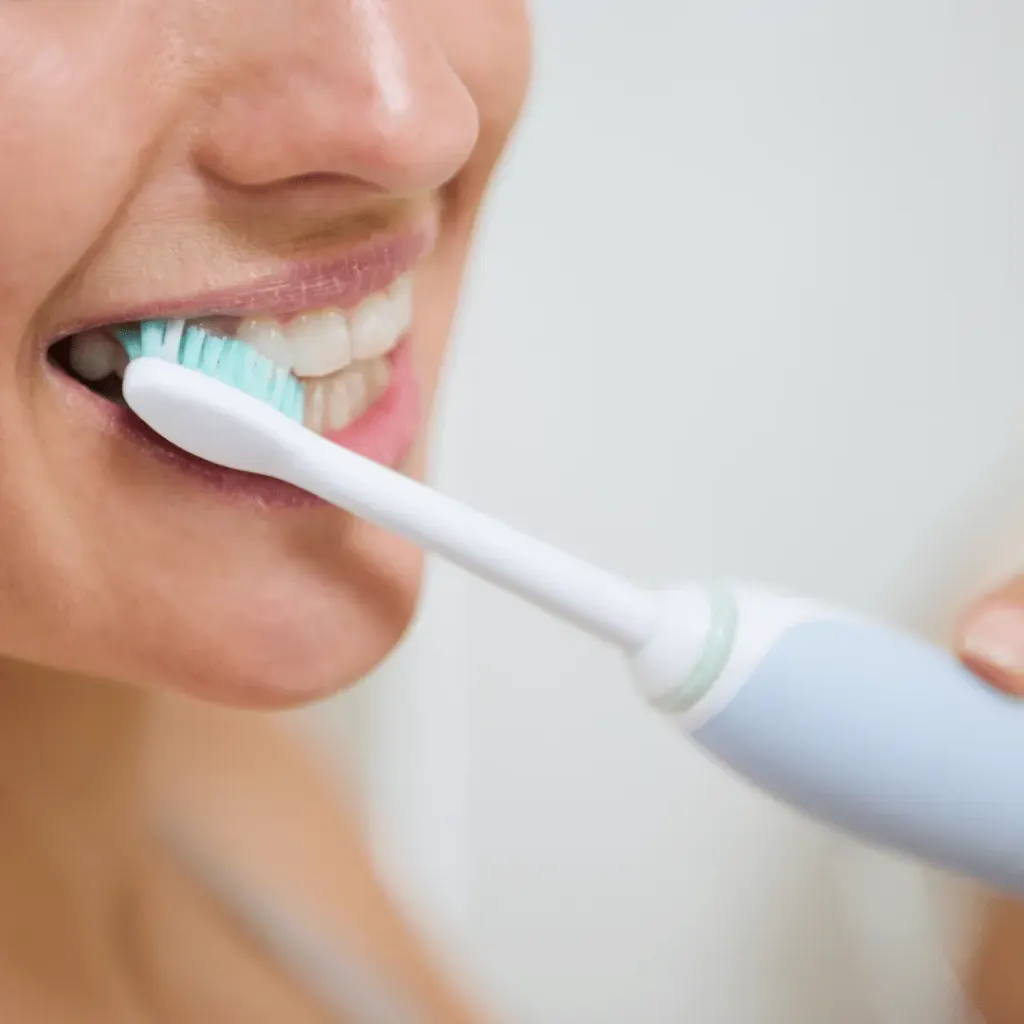
One of the first post-braces habits to master is brushing. Invest in a high-quality, soft-bristle toothbrush to avoid damaging your teeth or gums. Use fluoride toothpaste, and brush at least twice a day, being thorough and gentle to remove any food particles and plaque.
Flossing Tips

Flossing is equally crucial. It can be a bit tricky with the new gaps. But with the help of floss threaders or interdental brushes, you can effectively clean between your teeth and around the wires. Flossing helps prevent plaque buildup and cavities.
Choosing the Right Toothbrush and Toothpaste
Select a toothbrush that can reach all the nooks and crannies. Electric toothbrushes with rotating heads are highly effective. When it comes to toothpaste, go for one with fluoride to strengthen your enamel and prevent decay.
Dietary Adjustments for Oral Health
Foods to Avoid
To protect your teeth from staining and decay, it’s best to avoid foods and beverages that can harm your enamel. This includes sugary snacks, carbonated drinks, and sticky foods. Tobacco is also a significant enemy of your post-braces smile.
Foods to Include
Incorporate tooth-friendly foods vb such as crunchy fruits and vegetables, dairy products, and lean proteins into your diet. These foods stimulate saliva production and help clean your teeth naturally.
Regular Dental Checkups
Regular dental checkups are a must, even if your teeth seem flawless. When you visit Dentick Dental Care, our experienced professionals will evaluate your oral health, provide a thorough teeth cleaning, and offer guidance on preserving your beautiful smile.
Mouthwash and Rinsing
Using an antimicrobial mouthwash can help kill bacteria and freshen your breath. Additionally, rinse your mouth thoroughly after eating to remove any leftover food particles.
Protecting Your Retainer
If you’ve been prescribed a retainer, make sure to wear it as instructed. This step is crucial for maintaining your teeth in their new positions.
Dealing with Discomfort
It’s common to experience some discomfort after braces are removed. Over-the-counter pain relievers and a soft diet can help alleviate this temporary discomfort.
Maintaining Oral Health Habits
Consistency is key. Continue practicing good oral hygiene, and soon, it will become a natural part of your daily routine.
Sports and Braces
If you’re involved in sports, consider wearing a mouthguard to protect your teeth from potential impacts or injuries.
Braces Removal and Follow-up
After your braces are removed, your orthodontist will schedule follow-up appointments to monitor your progress and ensure that your teeth stay in their new positions.
Common Mistakes to Avoid
Avoid behaviors that can damage your teeth after braces care, such as nail-biting, using your teeth as tools, or chewing on hard objects.
Teeth Whitening After Braces
If you’re interested in teeth whitening, it’s advisable to consult your dentist. They can recommend safe and effective methods to brighten your smile without harming your enamel.
FAQs
1. Is it necessary to visit the dentist regularly after getting braces off?
Yes, regular dental checkups are essential to ensure the health of your teeth and to maintain your smile’s alignment.
2. Can I use any toothbrush and toothpaste after braces are removed?
It’s best to use a soft-bristle toothbrush and fluoride toothpaste to protect your teeth and gums effectively.
3. How can I prevent my teeth from shifting back to their original positions?
Wearing your retainer as instructed by your orthodontist is crucial to prevent your teeth from shifting.
4. Is teeth whitening safe after braces?
Teeth whitening can be safe, but it’s essential to consult your dentist for the best advice and options.
5. What should I do if I experience discomfort after braces are removed?
If you experience discomfort, consider over-the-counter pain relievers and a soft diet. If the pain persists, consult your orthodontist.
Conclusion
Taking care of your teeth after braces is a vital part of your oral health journey. By following these guidelines, you can maintain your beautiful smile for years to come. Remember, the effort you put into post-braces care is an investment in your lasting confidence.
For personalized guidance and professional dental care, we recommend visiting Dentick Dental Care.So, don’t wait—schedule your appointment with Dentick Dental Care today and take the first step towards maintaining a confident, radiant smile.